IAU Contributions to the Université Côte d'Azur International Digital Week 2026
From 22-26 June 2026, the IAU was pleased to participate in the 5th edition of the Université Côte d'Azur International Digital Week, contributing expert insights and facilitating critical discussions on the intersection of digital transformation, internationalisation, and the future of higher education.
A Global Platform for Digital Innovation
Organised by Université Côte d'Azur from 22 to 26 June 2026 at the Saint Jean d'Angely Campus in Nice, France, the International Digital Week brought together researchers, academic and administrative staff, policymakers, companies, and representatives from European and international networks. The five-day event provided a unique platform for global collaboration, inspiring discussions, and knowledge exchange on the latest advances in digital transformation.
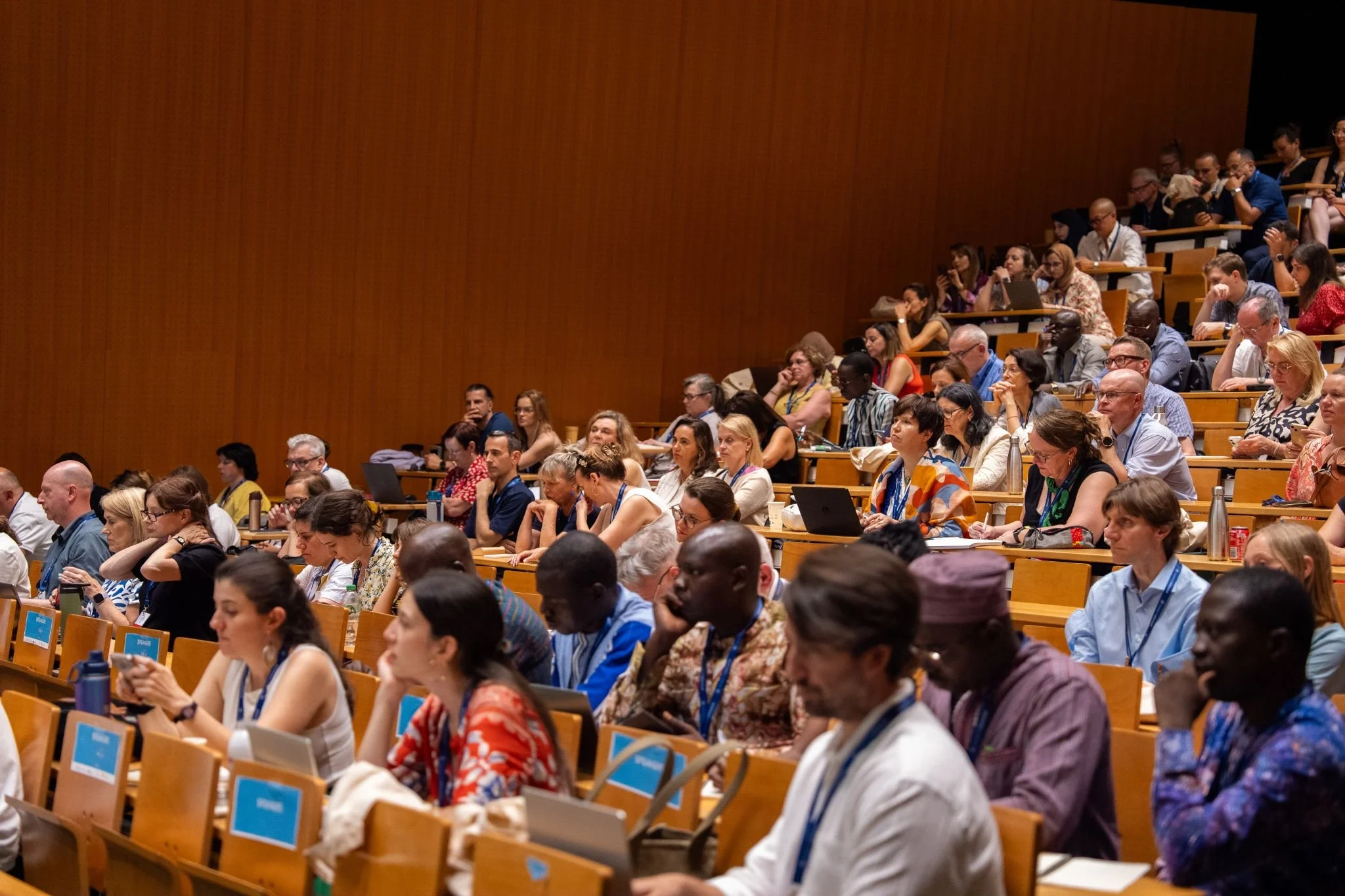
Photo credit: Université Côte d'Azur
With three focused tracks—Digital Transformation in Education, Digital Innovation & Entrepreneurship, and Internationalisation for Society—the event explored how digital technologies are reshaping higher education, fostering entrepreneurial ecosystems, and strengthening societal impact through international collaboration.
IAU Contributions: Navigating Uncertainty with Purpose
IAU experts Giorgio Marinoni, Manager for Internationalisation, and Trine Jensen, Manager for Digital Transformation, led a series of impactful sessions that challenged participants to actively shape the future of higher education.
Keynote: Navigating Digital Transformation and Internationalisation in a World of Uncertainty
In their keynote address, Giorgio and Trine established the context for the week's discussions, outlining the complex geopolitical, economic, and technological landscape facing higher education today:
Geopolitics: A multipolar world order emerges as the dominance of the USA fades, with China rising and middle powers asserting regional influence
Economics: Three decades of globalisation give way to fragmentation, with protectionism on the rise and the creation of regional blocs
National Politics: The rise of far-right, nationalist, and illiberal movements promotes nativism and xenophobia, threatening democratic institutions
Technological Developments: Digital transformation and Artificial Intelligence are inevitably reshaping the higher education sector at all levels
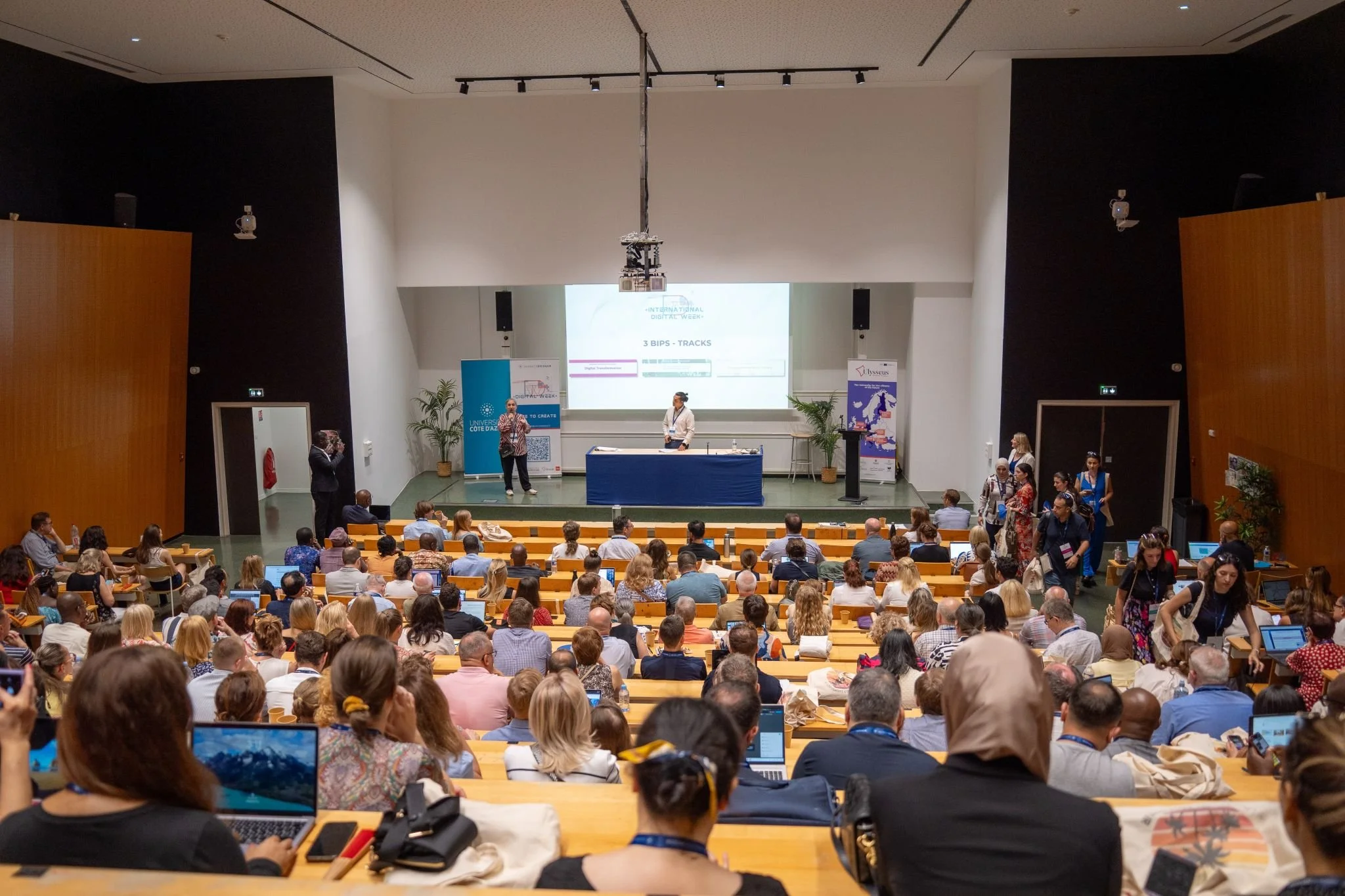
Photo credit: Université Côte d'Azur
Together, they traced the evolution of both internationalisation and digital transformation in higher education: Internationalisation has shifted from an economic rationale—driven by growth, competitiveness, and student mobility—to a political rationale, where geopolitics dictates cooperation terms, governments intervene in partnerships, and strategic academic rivalry between nations reduces institutional autonomy. Meanwhile, Digital Transformation has evolved from digital support structures—understanding how technologies can support core missions—to technologies capable of imitating humans, with Generative AI now replicating skills once considered uniquely human, creating new challenges for teaching, learning, research, and governance.
Crucially, Giorgio and Trine presented two possible paths forward:
Path A – Inclusive & Sustainable: Universities proactively engage with governments and local realities while upholding academic values, fostering humanistic, ethical, inclusive, and purpose-driven digital transformation and internationalisation that contribute to a more equitable higher education sector benefiting society and the common good.
Path B – Fragmented & Unequal: Passive responses to geopolitical rivalries and technological developments risk deepening existing divides, creating fragmented knowledge ecosystems, increasing inequalities, and undermining shared scientific progress.
Their message was clear: Universities cannot afford to ignore these transformations. Adapting is not sufficient—higher education must actively shape the road ahead, steered by purpose, not by possibilities.
Round Table: Digital Equity and Access – Ensuring No Learner is Left Behind
Trine also presented findings from 2nd IAU Global Survey on Digital Transformation during a round table on digital equity and access. The soon-to-be-published 2nd edition of the survey received responses from 430 institutions across 125 countries and territories, offering unprecedented global insights.

About the Survey:
The 2nd IAU Global Survey on Digital Transformation is an institutional survey focusing on AI and Open Science, with data collected in 2024 through both quantitative and qualitative questions. Its purpose is monitoring global trends, comparing regional results, and raising awareness about developments to identify opportunities and challenges.
The survey findings highlighted both opportunities and challenges in digital transformation. On the opportunities side, institutions reported that digital technologies are expanding access, inclusion, and equity by broadening access to higher education and promoting inclusion of diverse learners through remote and distance learning. Digital tools are also building resilience and readiness for uncertainty, ensuring continuity of education during crises—whether political instability, conflict, or unrest—allowing universities to fulfill their mission as demonstrated during the COVID-19 pandemic. However, significant challenges remain, particularly around infrastructure and inequalities, from fundamental constraints like unreliable electricity or limited internet connectivity to the need for clearer institutional policies. Limited internet access or high data costs also mean digital learning opportunities may exacerbate inequalities, creating disparities between students with adequate devices and connectivity and those without.
The ensuing discussion explored how socio-economic factors shape opportunities for learners in different contexts, highlighting models that support low-resource environments and addressing the responsibilities of institutions and governments in tackling structural barriers. The conversation also examined how equity intersects with AI and the crucial role of digital literacy in ensuring inclusive education.
Workshop: Making Sense of AI in Higher Education – Balancing Challenges and Opportunities
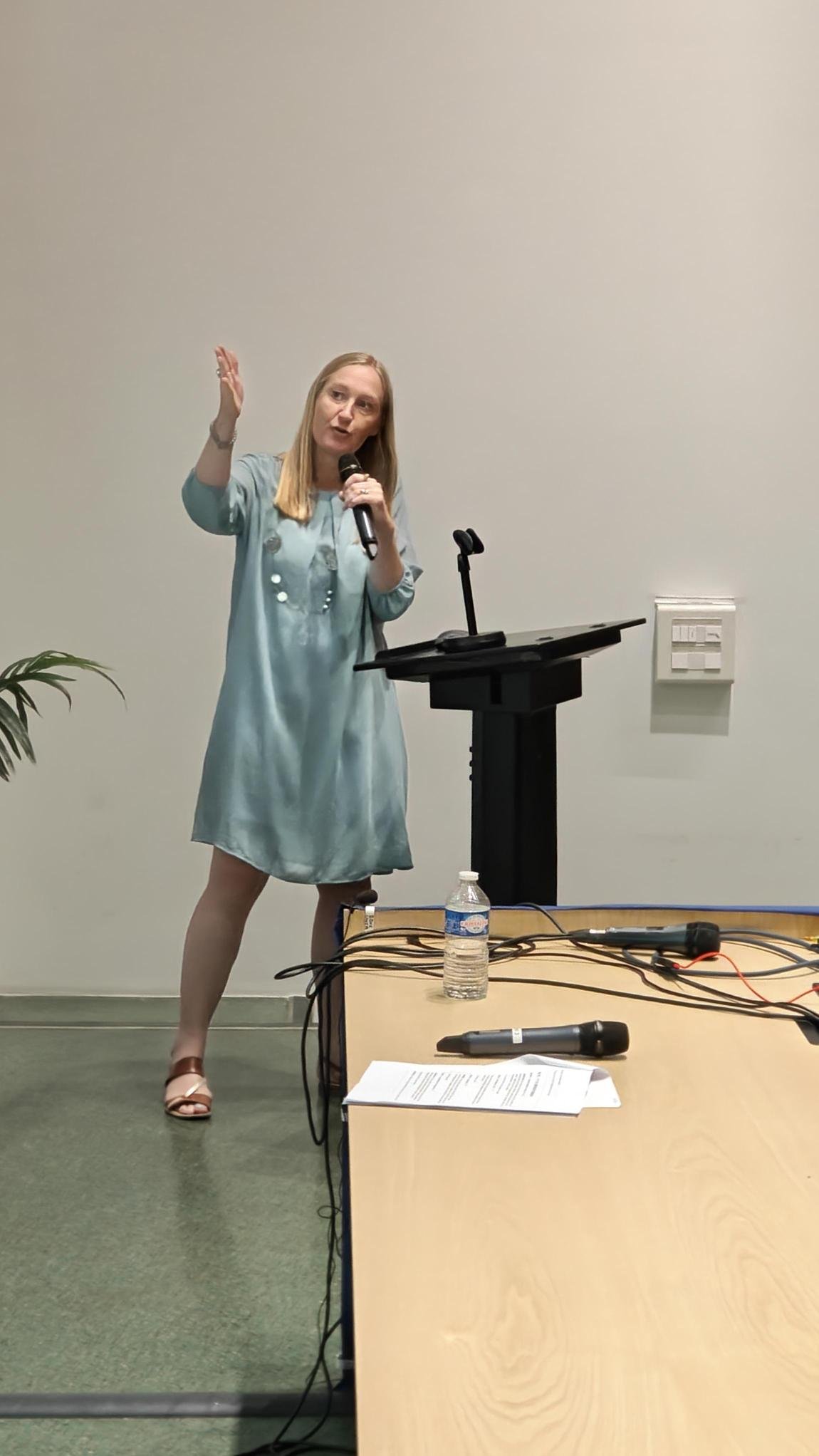
Also facilitated by Trine, this interactive workshop brought participants together in small groups to identify key opportunities and challenges presented by artificial intelligence in higher education. Participants categorised these factors and assessed which can be addressed at the institutional level versus those beyond the direct control of individual institutions.
The workshop aimed to structure and clarify the different layers of challenges and opportunities, building shared awareness of where higher education institutions can play a meaningful and strategic role in shaping the future of higher education with AI.
Workshop: Internationalisation for Society and the Global Common Good
In this workshop, Giorgio guided participants through a collaborative exploration of internationalisation's impact on society in order to identify the positive and negative aspects of the internationalisation process both at a general level and at their specific institutions. Participants discussed how to create an internationalisation process for society and the global common good by identifying suitable internationalisation strategies and activities, challenges to their implementation, and possible solutions to those challenges. The session aimed to raise awareness that internationalisation is not a neutral process but has profound societal impact, and provided participants with an opportunity to share experiences of reorienting internationalisation to ensure a positive impact.
Looking Ahead
IAU participation in the International Digital Week 2026 reinforced the Association's commitment to fostering global dialogue on the critical issues shaping the future of higher education. By presenting robust data from the 2nd Global Survey on Digital Transformation, facilitating interactive workshops, and delivering a thought-provoking keynote, the IAU reaffirmed its role as a leading voice in the conversation about how universities can—and must—actively shape digital transformation and internationalisation to serve the global common good.
As higher education navigates an era of uncertainty and rapid change, the insights and discussions from Nice will inform IAU's ongoing work to support member institutions in building more inclusive, resilient, and purpose-driven higher education systems worldwide.
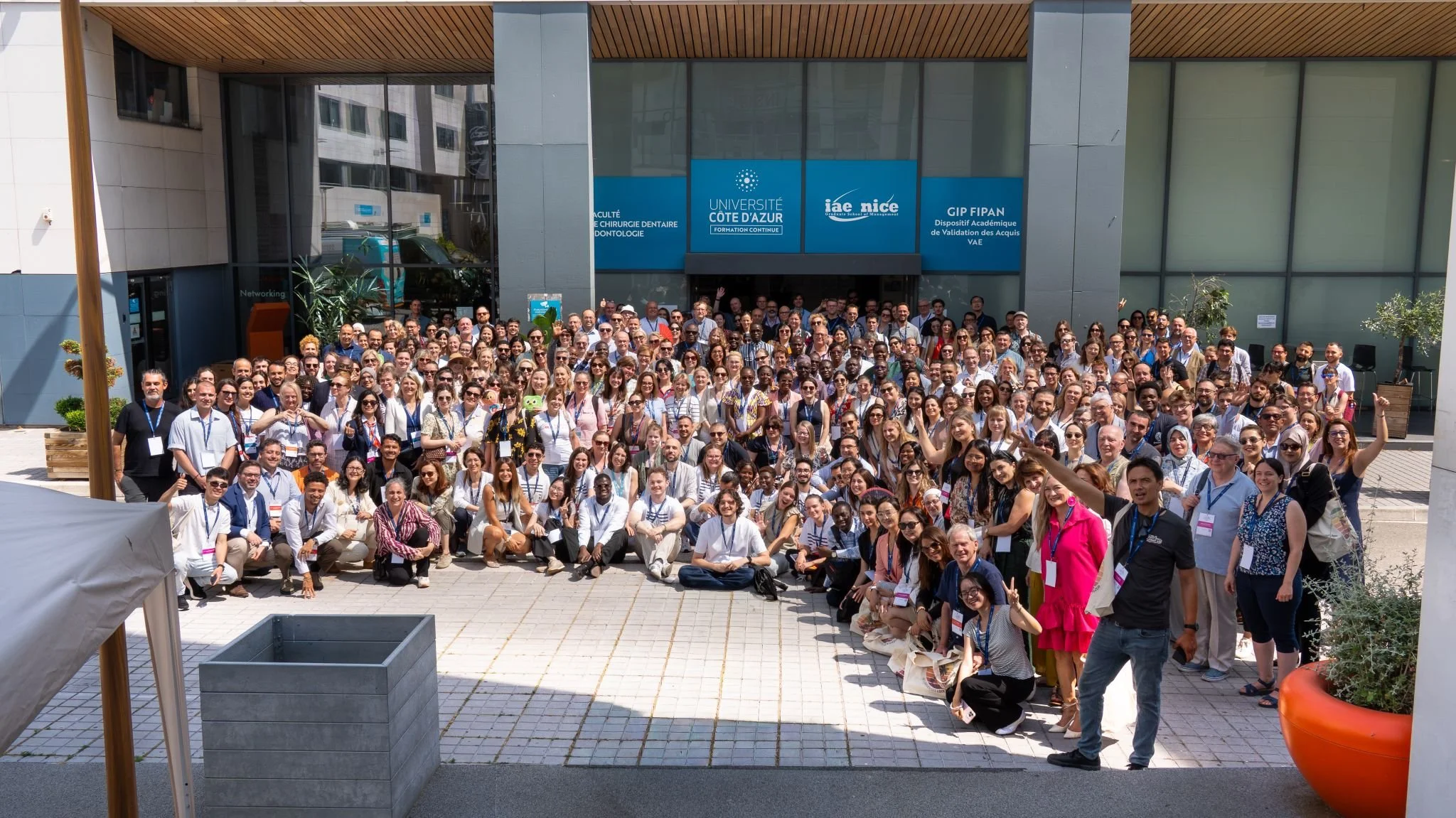
Photo credit: Université Côte d'Azur