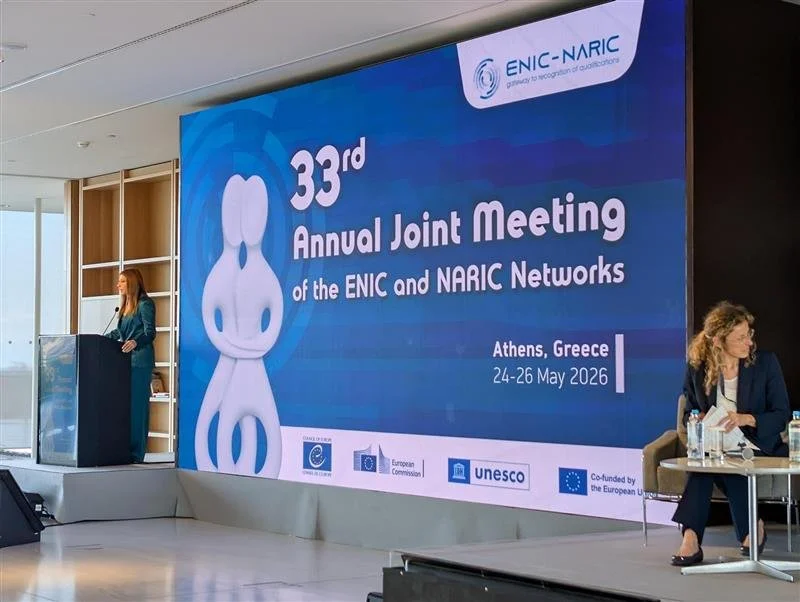
The IAU was pleased to participate and contribute to the 33rd Annual Joint Meeting of the ENIC and NARIC Networks held on 24-26 May 2026 in Athens, Greece.
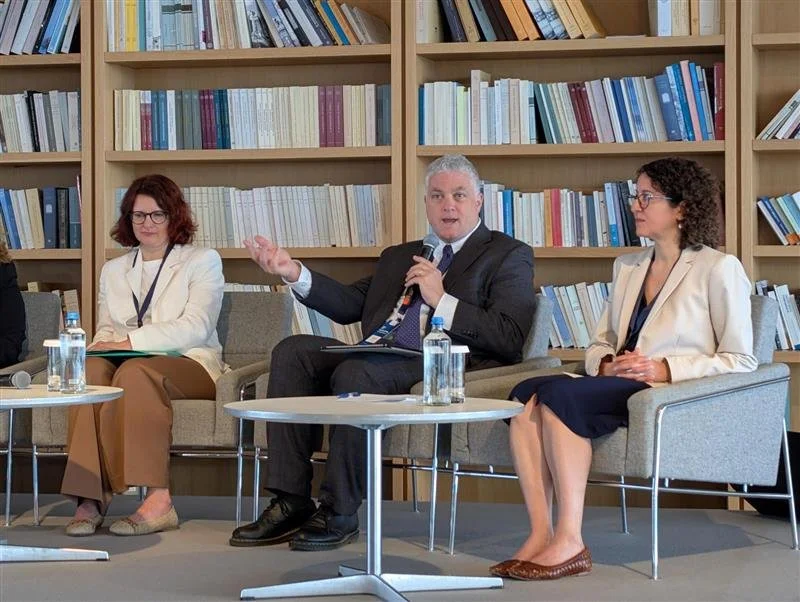
The IAU was pleased to be represented by IAU Deputy Secretary General Andreas Corcoran at the 33rd Annual Joint Meeting of the ENIC and NARIC Networks. The meeting, which centered around the theme Shaping the Future of Recognition in the Age of Artificial Intelligence, underscored the critical need for authoritative information on higher education institutions in an era marked by the rapid rise of Artificial Intelligence (AI) and its impact on fraud in higher education.
The Urgency of Reliable Data in Higher Education
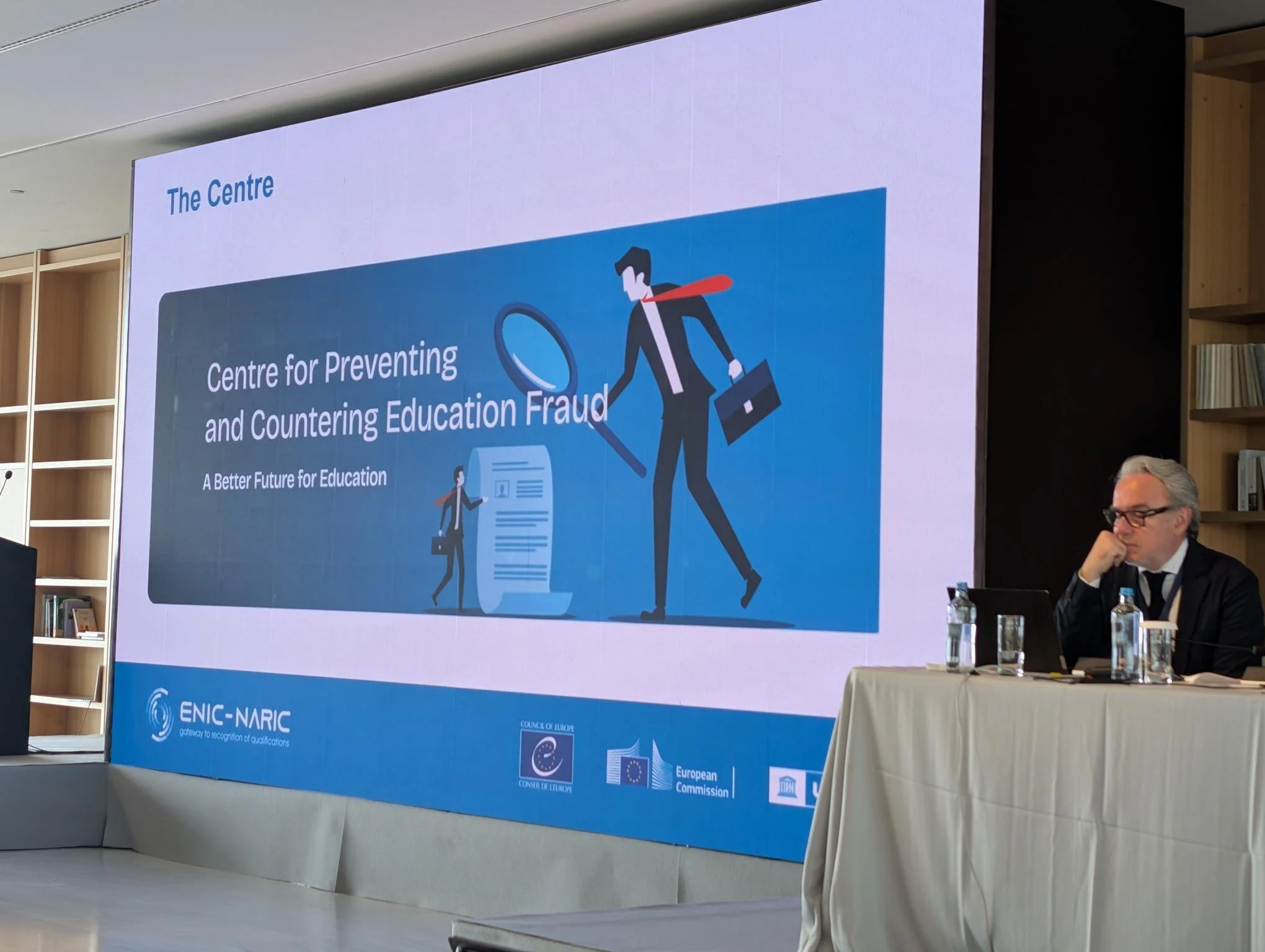
The meeting highlighted a pressing challenge: fraud in higher education is escalating, fueled by AI’s ability to create deceptive university profiles in minutes. Traditional approaches, such as blacklisting bad actors, are no longer sufficient. Instead, whitelisting accredited and recognized institutions has become essential. The IAU World Higher Education Database (WHED) serves as a critical resource in this mission. As a global registry of accredited higher education institutions, the WHED aligns with the UNESCO Global Convention on the Recognition of Higher Education Qualifications and supports collaboration in higher education data collection and provision.
A Dynamic Exchange of Ideas
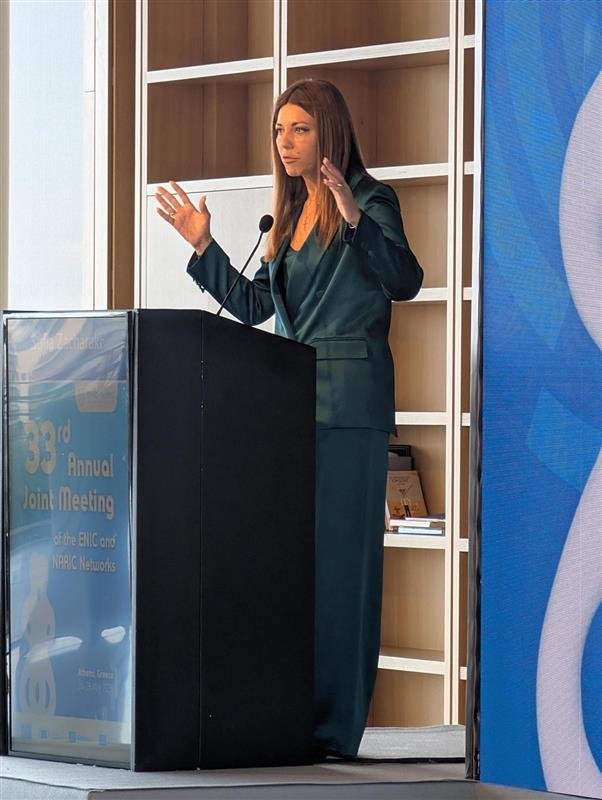
The meeting was enriched by Professor Phil Newton’s keynote on AI, learning, and assessment, which set a thoughtful tone for the discussions that followed. H.E. Sofia Zacharaki, Minister of Education, Religious Affairs, and Sports of Greece, also emphasized the need for greater integration and alignment in higher education recognition, reinforcing the importance of collaborative efforts in this domain.
Colleagues from across the ENIC-NARIC Networks contributed valuable insights, sparking conversations about the evolving role of AI in education. The dialogue naturally extended to the importance of maintaining consistent, high-quality assessment to ensure the reliability of qualification recognition, as well as the growing need for digital recognition ecosystems that prioritize interoperability and cross-border trust.
The discussions also delved into the complexities of handling high-risk recognition cases and the progress being made in automatic recognition, both within Europe and beyond. These exchanges painted a vivid picture of the challenges and opportunities facing the higher education sector today. In contribution, Andreas underscored the importance of the IAU’s work, in particular via the WHED, to advancing best practices for international academic recognition and addressing the evolving needs of the higher education landscape.
A Shared Conclusion: Cooperation and Innovation
A resounding consensus emerged from the discussions: international cooperation, quality assurance, and innovation are indispensable to maintaining trust in qualification evaluation. Participants also identified opportunities to leverage AI for document verification and communication, provided that ethical and quality standards are upheld. Digital solutions and transparency were highlighted as key enablers to accelerate and strengthen recognition processes.
The ENIC-NARIC Networks remain central to fostering shared expertise and coordinated advancement in these areas, and the IAU extends its sincere gratitude to all partners for their constructive engagement and continued support for its work. Special appreciation is due to Hellenic NARIC (DOATAP) for their warm hospitality in hosting this event.
As the higher education landscape continues to evolve, the IAU remains committed to collaborating with global partners to uphold integrity, transparency, and trust in higher education systems worldwide.