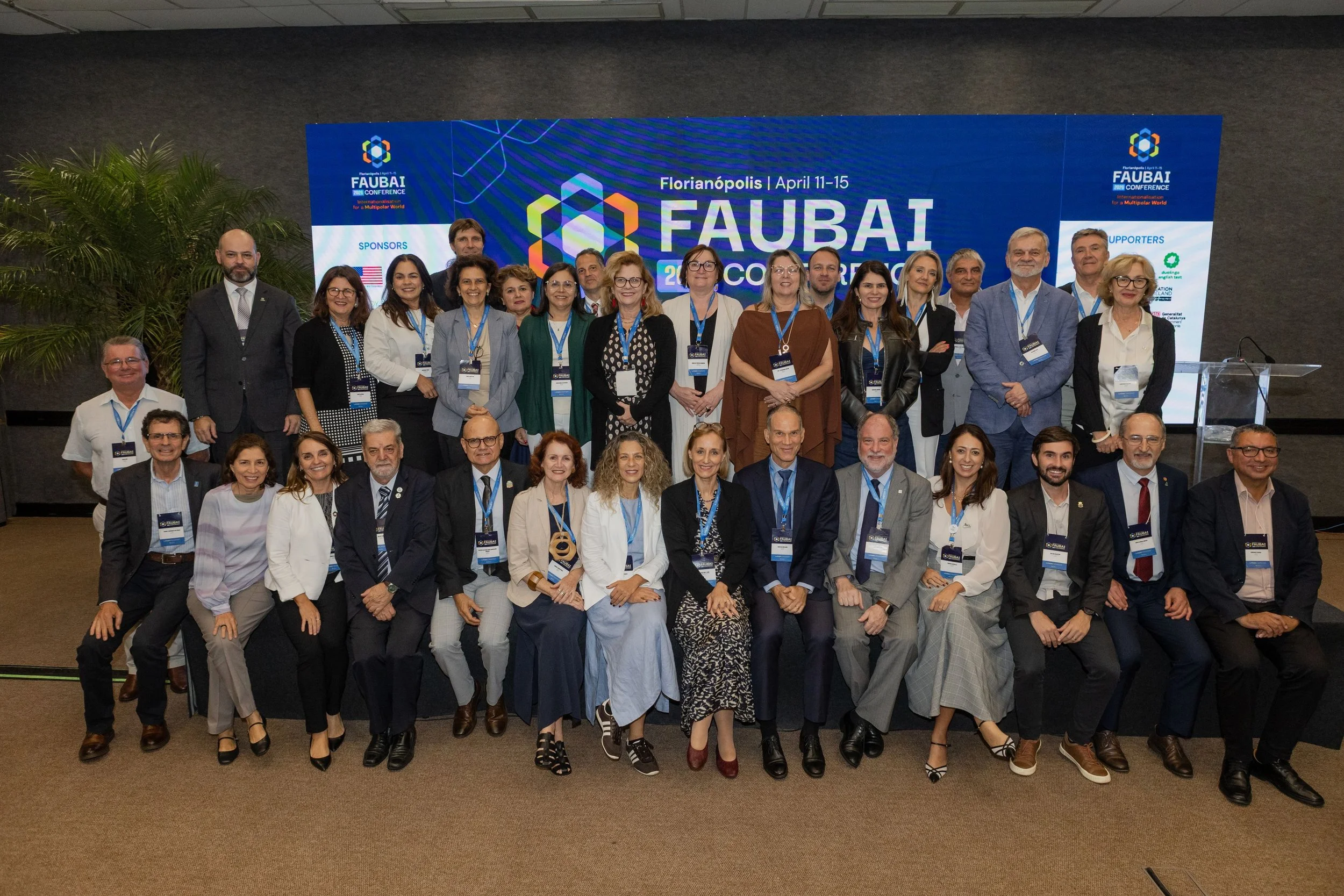
Transforming the Internationalization of Higher Education for a Multipolar World: IAU Contributions at FAUBAI 2026
The IAU was pleased to participate and contribute to the 2026 FAUBAI Conference on 12-15 April in Florianópolis, Brazil.
Under the overarching theme “Internationalization for a Multipolar World,” the FAUBAI 2026 Conference brought together global higher education leaders to rethink how internationalization can move beyond traditional North–South models toward more equitable, regionally grounded, and collaborative approaches. Framed by shifting geopolitical dynamics and the rise of new centres of knowledge and influence, the conference called on institutions and international organisations to actively shape a more inclusive and plural global academic landscape.
Against this backdrop, the International Association of Universities (IAU) played a visible and strategic role across plenary and thematic sessions, with its representatives contributing directly to advancing the conference’s central theme through dialogue, leadership, and action.
Session Contributions
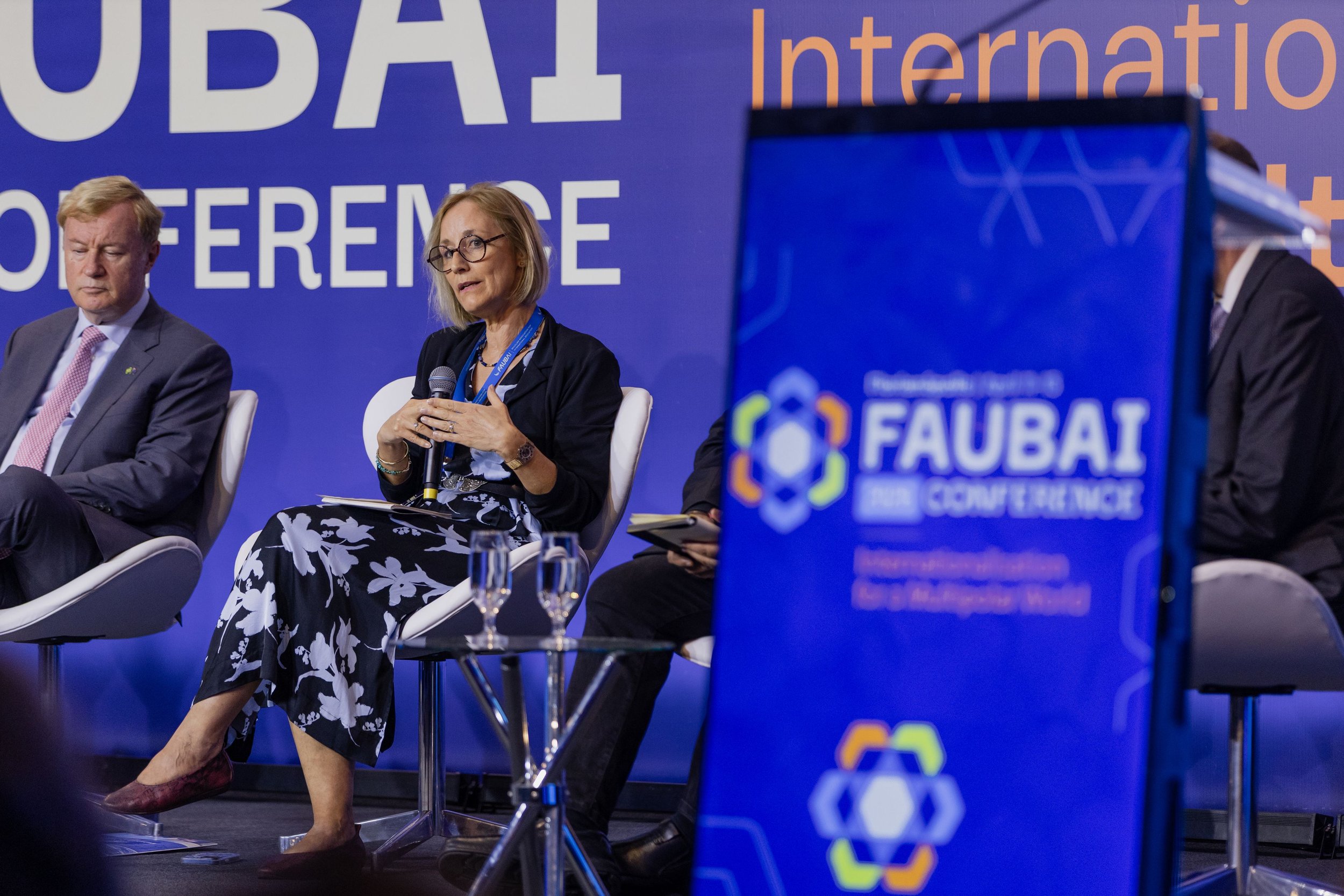
The IAU’s contribution was higlighted in IAU Secretary-General Dr. Hilligje van’t Land's particiaption in the Plenary Global Dialogue. During this session, Dr. van't Land joined leaders of international education associations in addressing how higher education systems can navigate geopolitical complexity while maintaining open collaboration. The discussion reinforced a core message of the conference: that institutions must balance strategic autonomy with global connectivity, ensuring that internationalization reflects diverse perspectives rather than a single dominant model.
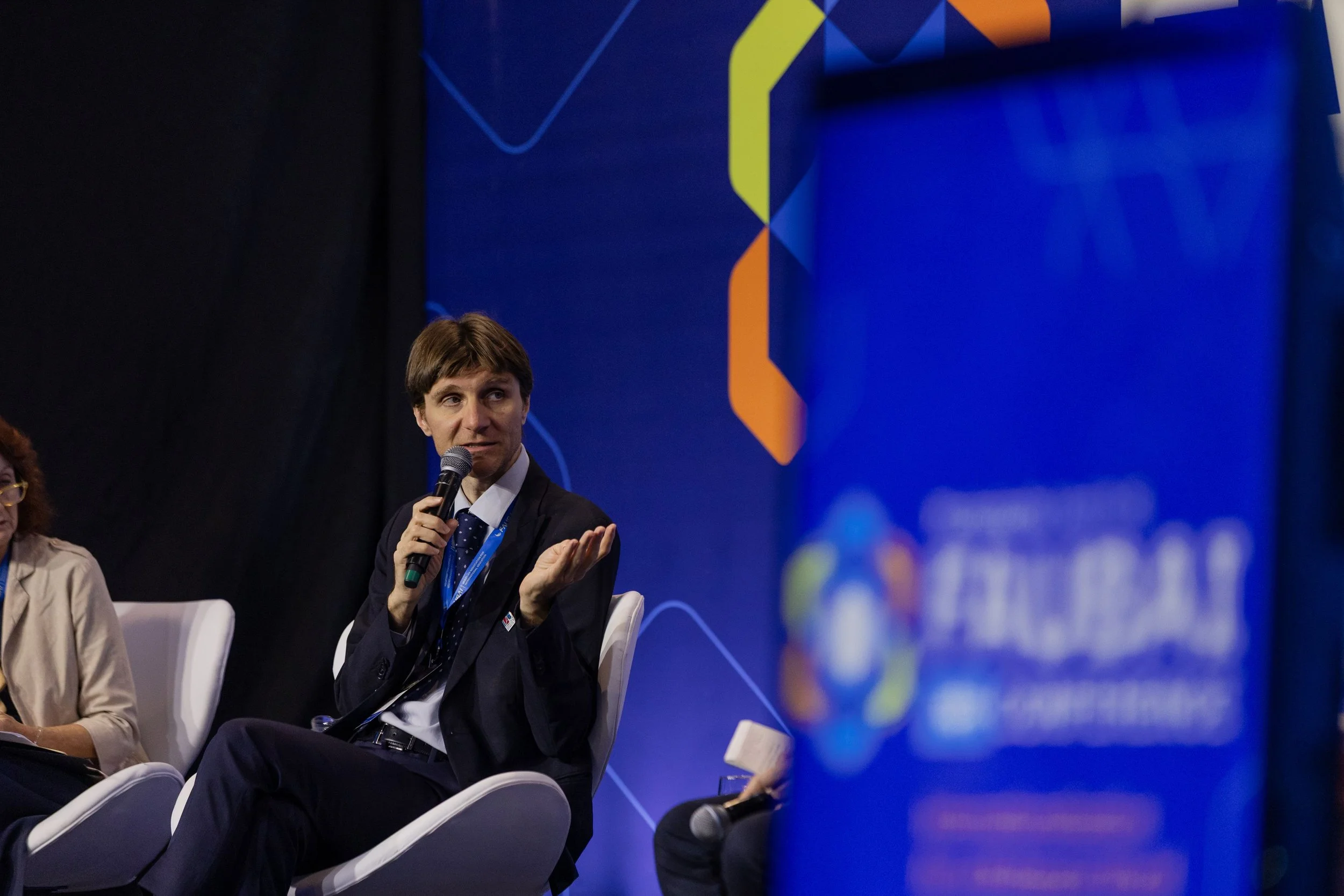
Another key contribution came from IAU Manager of Higher Education and Internationalization, Giorgio Marinoni, who participated in the plenary session “Bridging Multipolar Worlds: The Evolving Role of University Networks and Associations.” In line with the conference’s focus on redefining internationalization, Giorgio engaged with global peers to examine how university networks can move beyond legacy hierarchies and instead foster more balanced, reciprocal partnerships. The discussion highlighted the responsibility of international associations to support cooperation rooted in mutual benefit, regional priorities, and shared global challenges.
Giorgio further engaged in two thematic sessions directly aligned with the conference’s emphasis on rethinking internationalization practices. In the round table “Internationalizing Research in a Multipolar World: Challenges and Opportunities for Latin America,” he addressed how the internationalization of research is unfolding in Latin America in a multipolar world, underlying that international research in the region is mainly conducted at the faculty/department level without an institutional strategy. This often translates into a lack of capacity building in the region. In the second round table session “Reimagining Internationalization for Society in a Multipolar World,” Giorgio contributed to and led discussions on how the changed geopolitical context evolving towards a more multipolar world influences internationalization of higher education, highlighting the risks and the opportunities ahead. He stressed that the higher education sector has agency, should be aware of it and use it to create internationalization strategies that can better serve societal needs, by contextualizing global engagement in national and local contexts, promoting social impact, and inclusive development. The sector should also work in collaboration with governments, the business sector and civil society in a constructive way, while always defending its autonomy.
Presidents’ Day
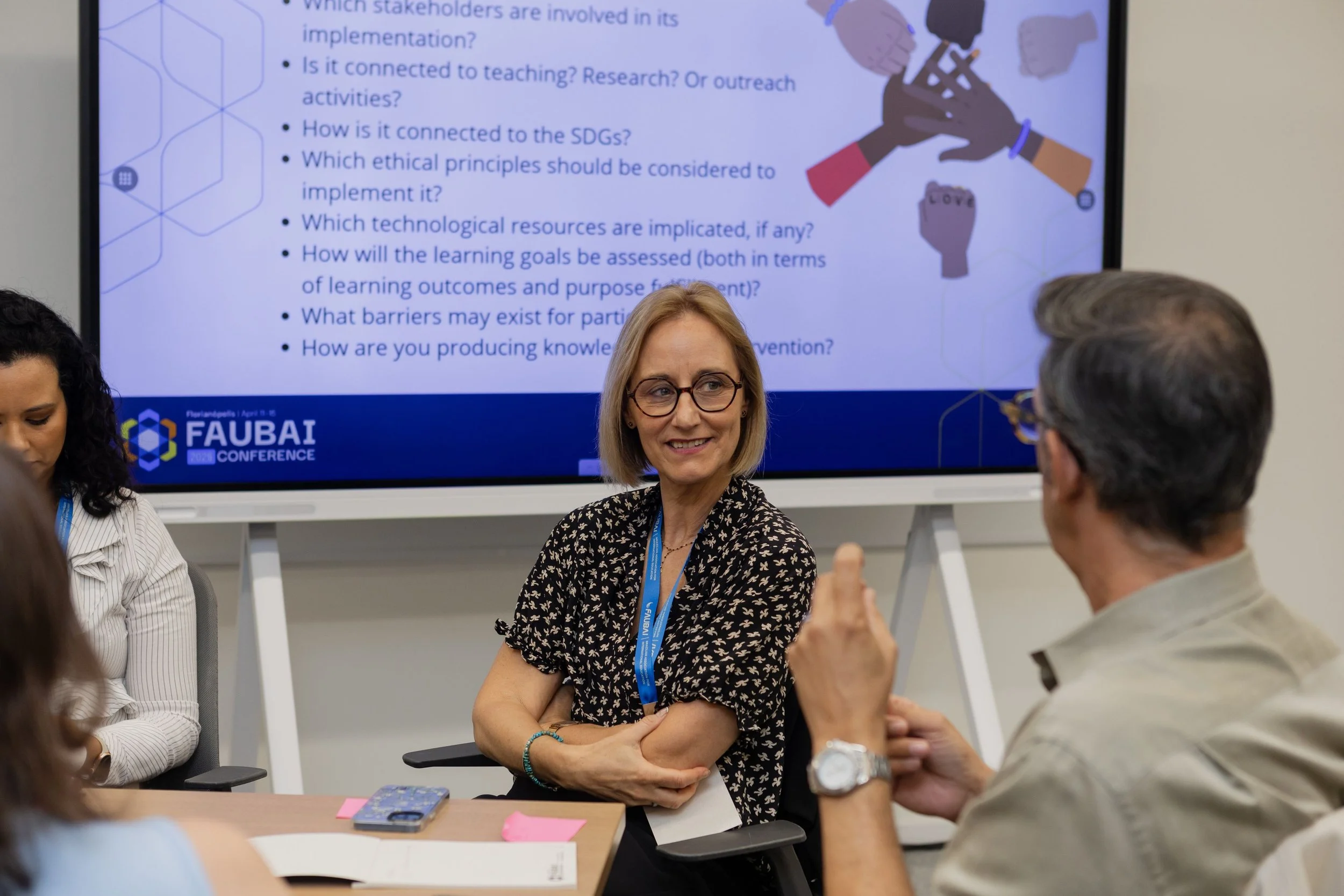
Beyond formal sessions, the IAU actively supported leadership-level engagement by co-organising and participating in the FAUBAI Presidents’ Day. This session brought together university leaders to exchange on institutional strategies in a multipolar world, reinforcing the conference’s objective of promoting new alliances and leadership-driven approaches to internationalization that align with regional and global priorities.
Annual NIEA Meeting 2026
At the conference, the first annual meeting of the Network of International Education Associations (NIEA), of which IAU acts as the coordinator, also took place. The meeting directly addressed the conference theme through a focused discussion on “The importance of addressing multilateralism and the role of internation education in a multipolar world”. After some introductory remarks by Ramo Damodaran, Permanent Observer of the University for Peace to the United Nations, participants debated how international education associations can help shape a more equitable global system. They emphasized their collective responsibility to foster fair collaboration, mutual understanding, and respect - key principles in a context where geopolitical tensions increasingly challenge long-standing academic partnerships.
Across these engagements, the IAU’s contributions reflected a coherent and proactive response to the FAUBAI 2026 theme. By participating in high-level plenaries, leading thematic discussions, supporting institutional leadership dialogue, and convening global associations, the IAU demonstrated how international organisations can actively contribute to building a more inclusive, balanced, and collaborative model of internationalization.
The FAUBAI 2026 Conference thus served not only as a platform for discussion but also as a space for concrete engagement. Through its contributions, the IAU reaffirmed the importance of collective action, inclusive partnerships, and sustained dialogue in ensuring that higher education continues to play a transformative role in an increasingly multipolar world.