IAU Contributes to the Future of Higher Education – Bologna Process Researchers’ Conference
16-17 September 2026 | Bucharest, Romania
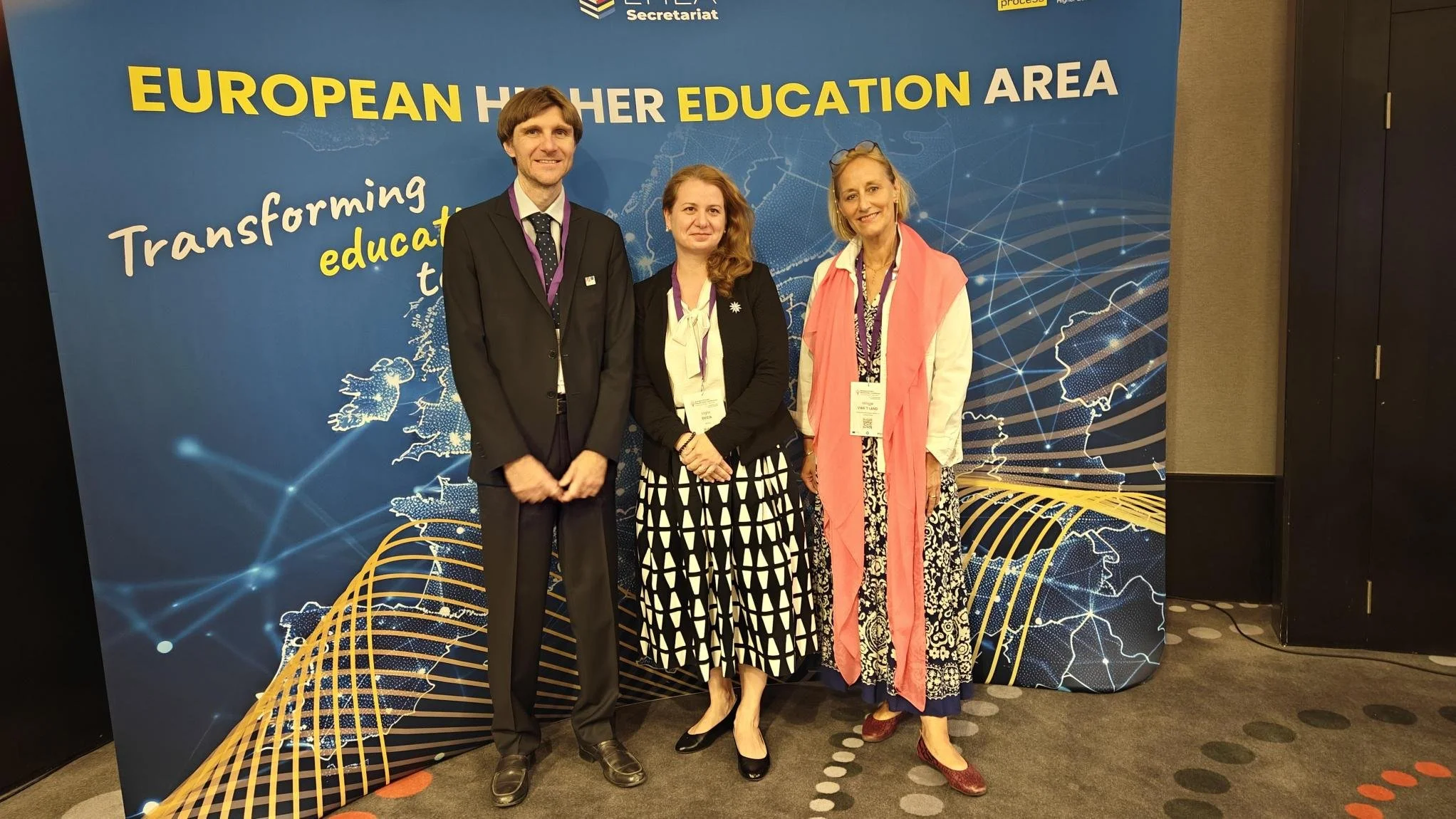
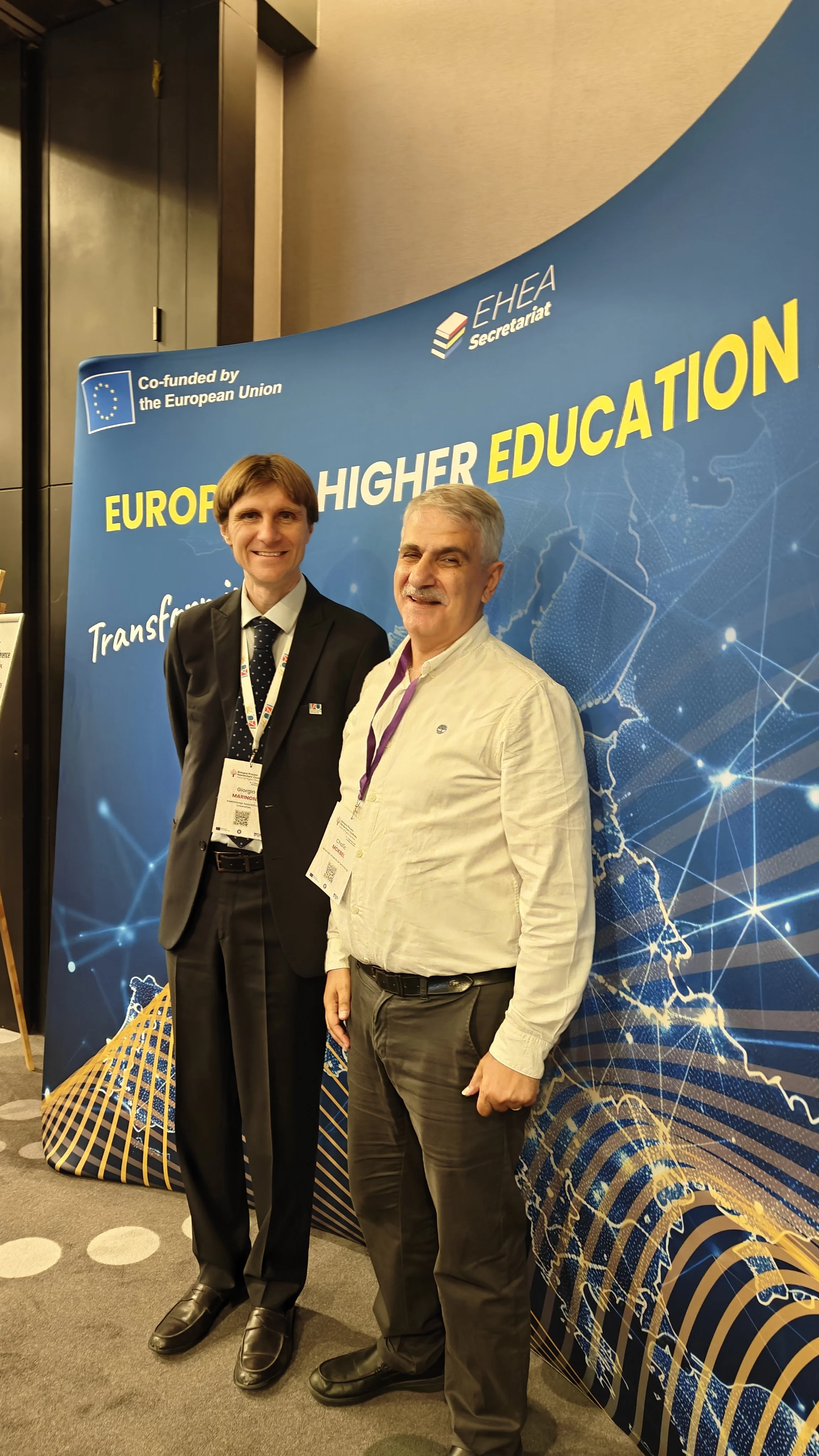
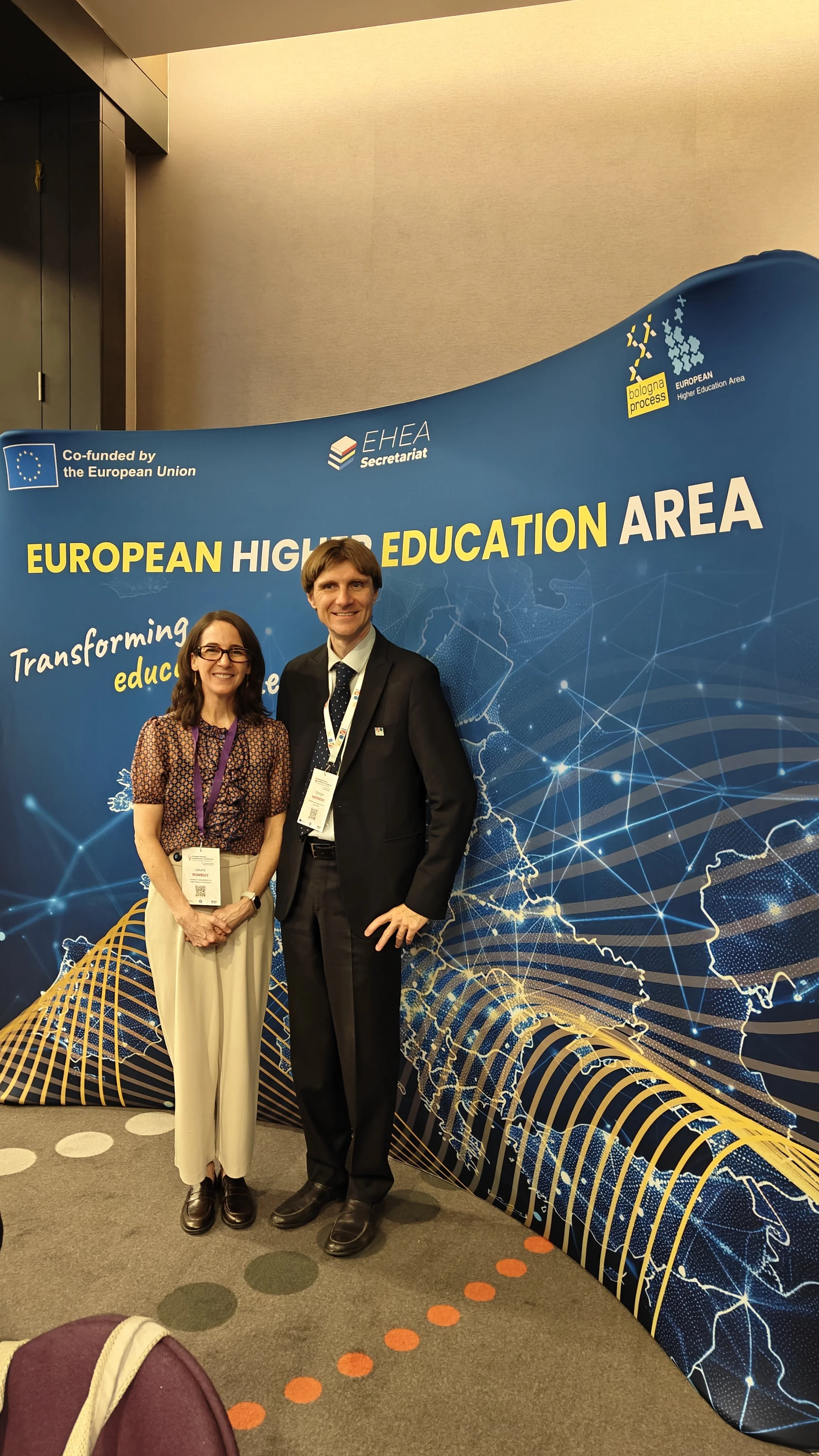
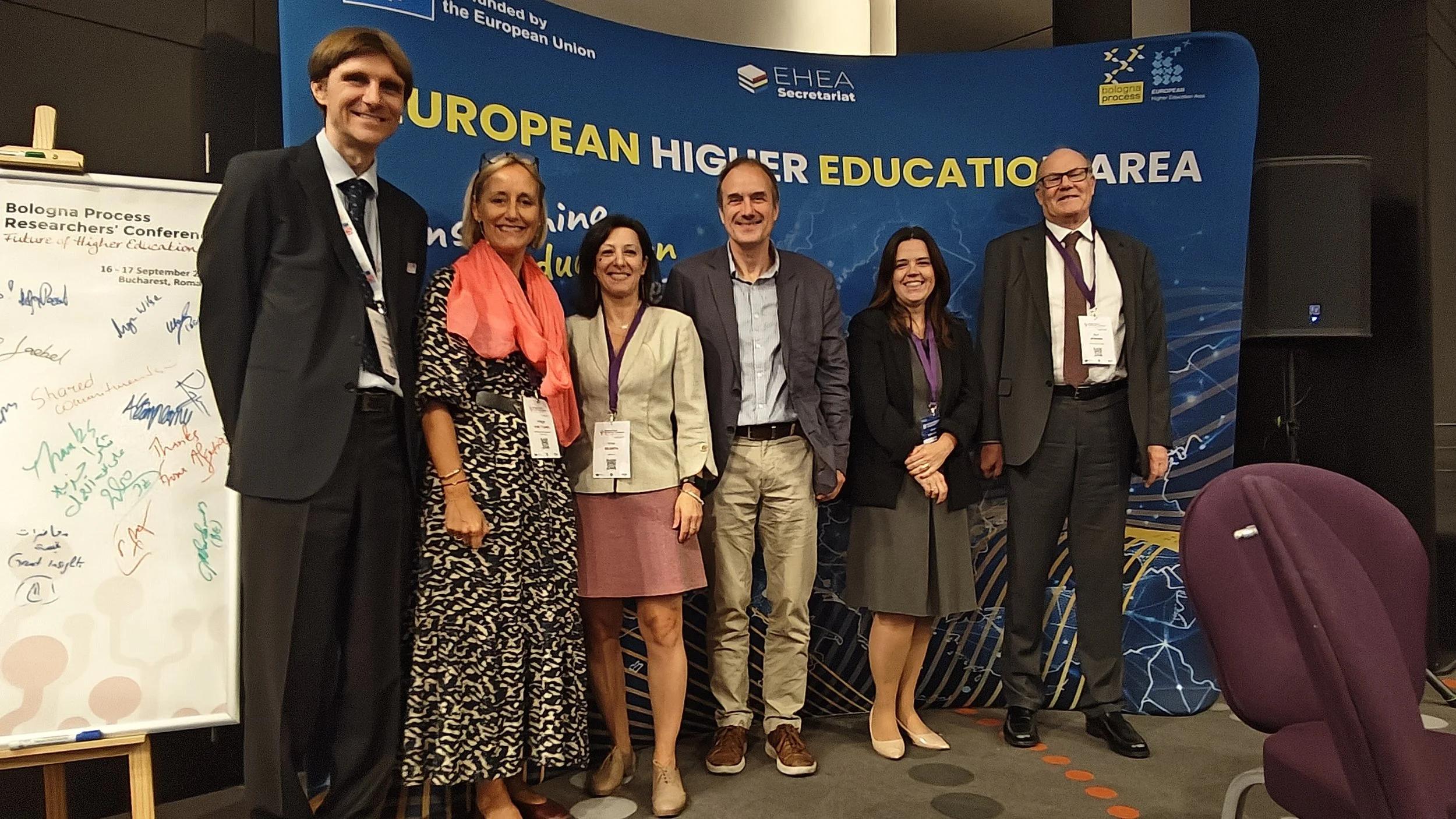
On 16-17 September 2026, Dr Hilligje van’t Land, Secretary General, and Giorgio Marinoni, Manager of Higher Education and Internationalization, represented the International Association of Universities (IAU) at the 6th Future of Higher Education – Bologna Process Researchers’ Conference (FOHE-BPRC) in Bucharest, Romania.
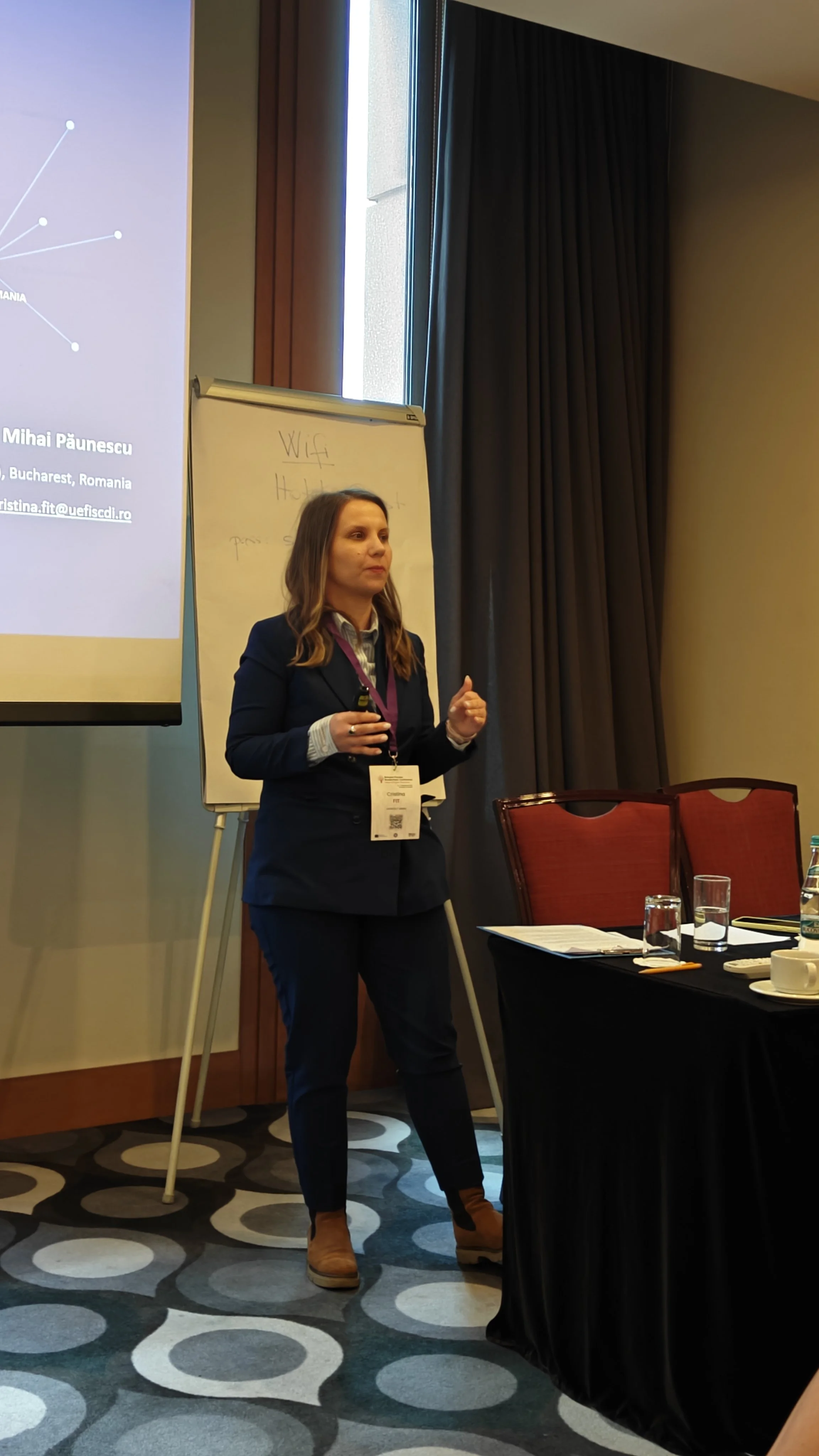
Organized by the Executive Agency for Higher Education, Research, Development and Innovation Funding (UEFISCDI) in partnership with the Romanian Ministry of Education and Research, FOHE-BPRC was held in conjunction with "The Future of Higher Education: Sharing Knowledge and Supporting Implementation for a Stronger Bologna Process" - a policy-oriented conference organized by the EHEA Secretariat. The joint gathering fostered structured dialogue, peer learning, and evidence-informed reflection on implementing Bologna Process tools and the future of higher education across and beyond the European Higher Education Area (EHEA).
Mihai Dimian, Minister of Education and Research of Romania, and Dan Perciun, Minister of Education and Research of the Republic of Moldova, delivered the opening speech at the FOHE-BPRC conference. Over 150 policymakers, researchers, and higher education professionals from Europe and around the world gathered to discuss high-level policies and present research papers slated for publication in an open-access Springer volume.
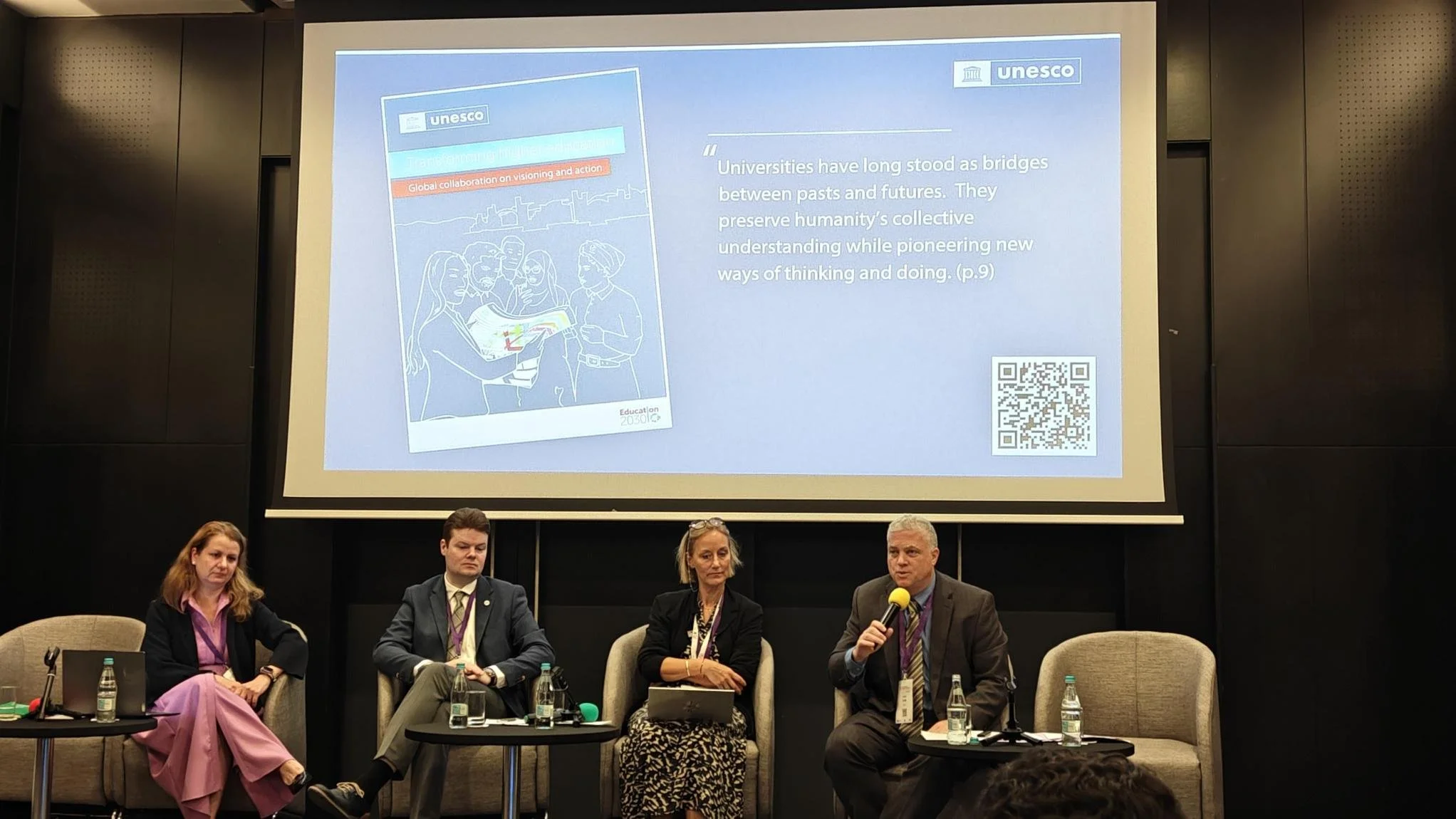
IAU Secretary General Hilligje van’t Land contributed to the panel “Vision on the future of higher heducation: High-level intervention from a global perspective”. Moderated by Ligia Deca, Vice-Rector of the National University of Political Studies and Public Administration and former Minister of Education of Romania, the discussion featured high-level contributions from Dr. van’t Land, Noah Sobe (Chief of the Higher Education section at UNESCO), and Jacob Blasius (Executive Director of the Global Student Forum).
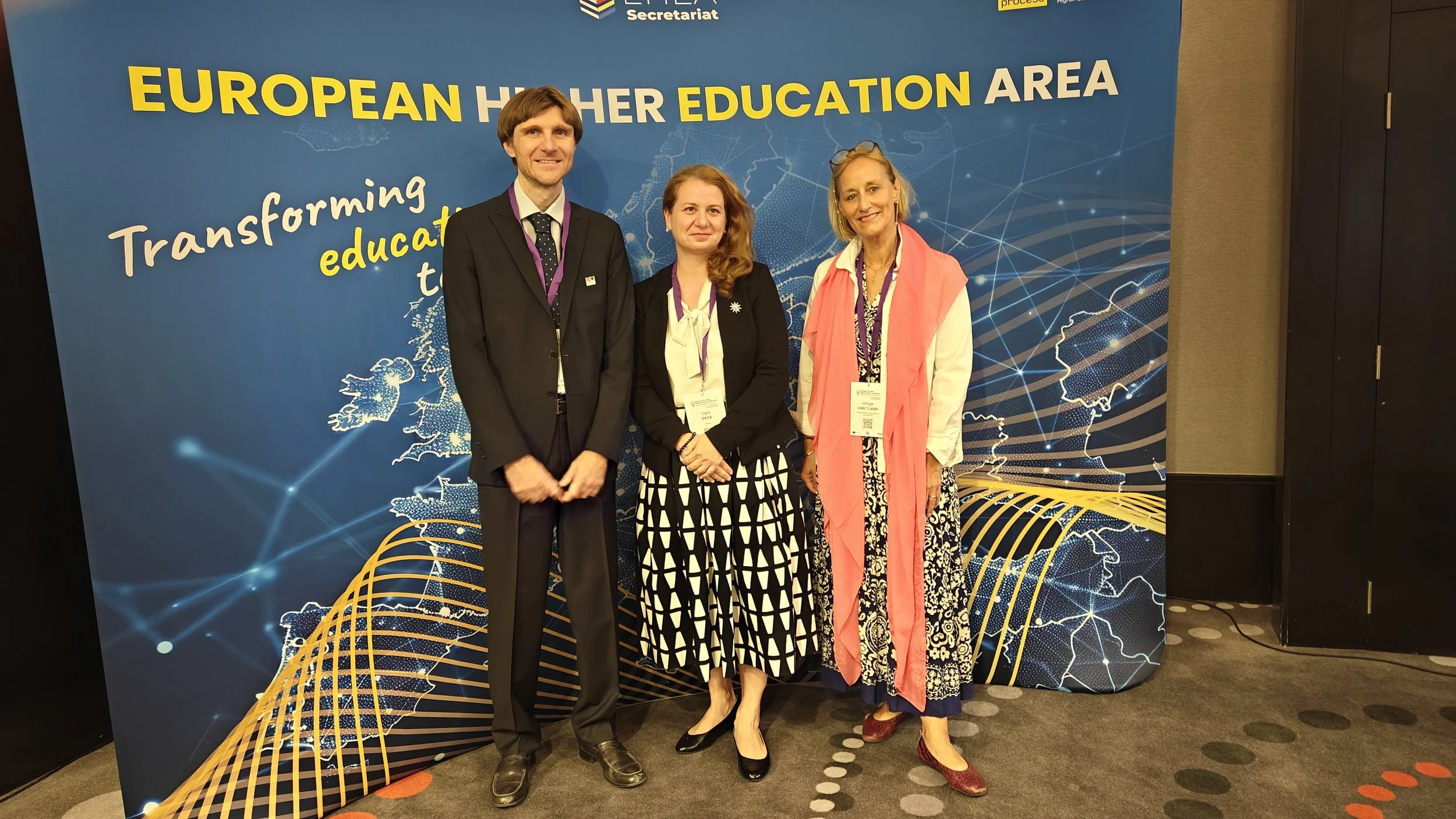
When asked about global challenges for higher education, Hilligje van 't Land stressed the fact that the global higher education landscape is expanding as never before while continuing to grow inequalities of access and success. Higher education is increasingly becoming competitive instead of cooperative, more multipolar and more contested at the same time. One of our greatest challenges may be that higher education does not seem to see the urgency to renegotiate the social contract of universities and ensure it delivers on its promises, including to foster critical thinking, to contribute to social mobility and social cohesion, to protect and advance knowledge and understanding, to provide spaces where ideas can be challenged, to help students and staff as citizens to understand cultures and perspectives beyond their own, to contribute to democracy, human rights and peace or to contribute to developing the grounds for a more sustainable future. In brief: to educate well rounded citizens able and willing to engage responsibly with and for society.
Universities can play their part when it comes to ensuring that multipolarity does not become fragmentation. Jacob Blasius, Noah Sobe and Hilligje van 't Land agreed that one of the responsibilities for higher education, is to help challenge our assumptions and to build forms of cooperation that no country or institution could create alone. The shared global project of higher education is not convergence. It is a commitment to remain connected despite divergence and to build the much-needed knowledge connections the world called for to address the global sustainable development goals set in Agenda 2030. In an increasingly fragmented world, that may be one of the most important contributions universities, staff and students, and in particular researchers can make.
Jacob also highlighted the importance of working with students to reimagine a higher education that would better respond to the expectations and Noah Sobi presented the UNESCO's forward looking higher education agenda and UNESCO publication "Transforming higher education – global collaboration on visioning and action" which presents 7 compelling guiding principles to inspire the work of all HE stakeholders and partners.
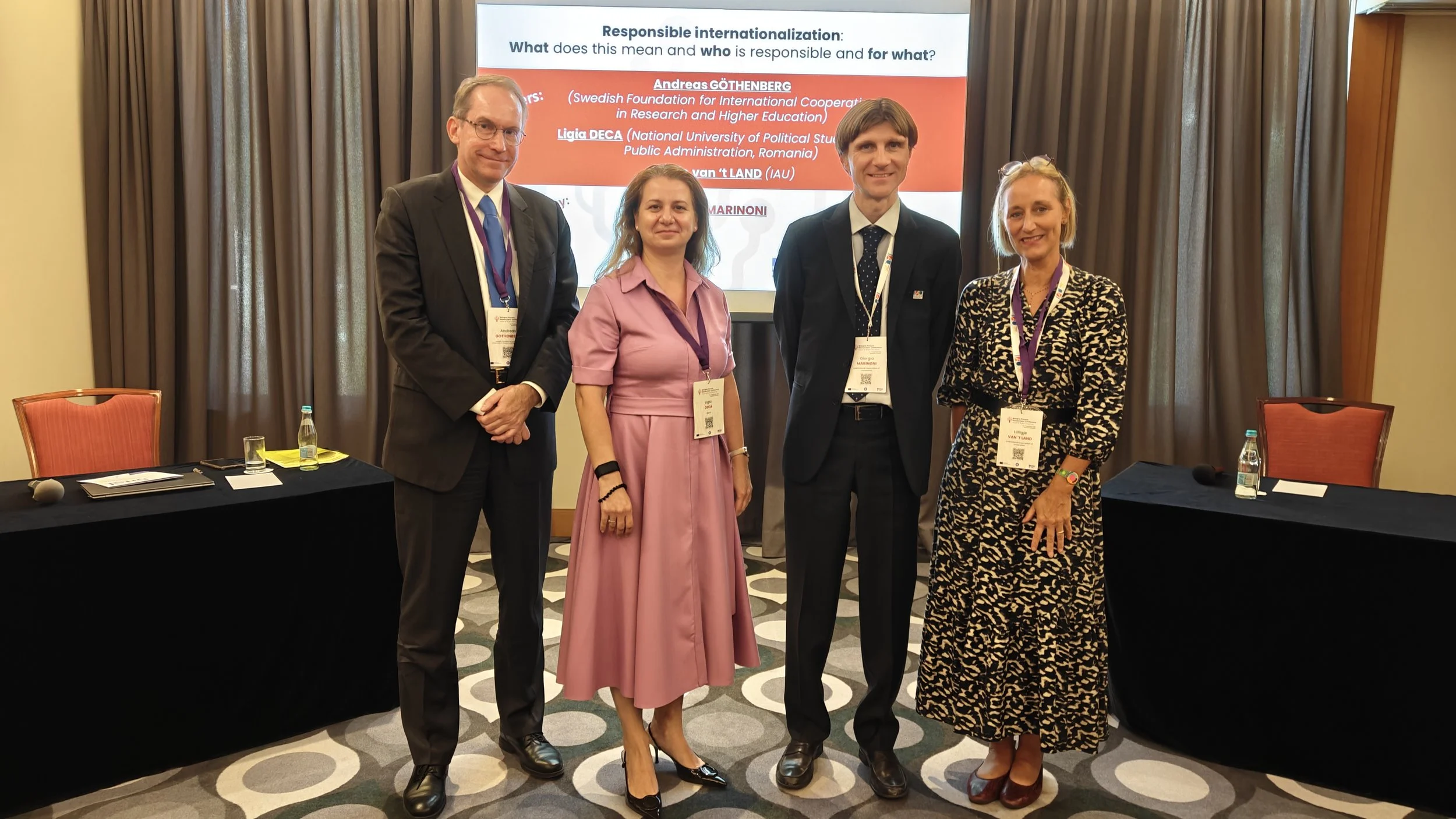
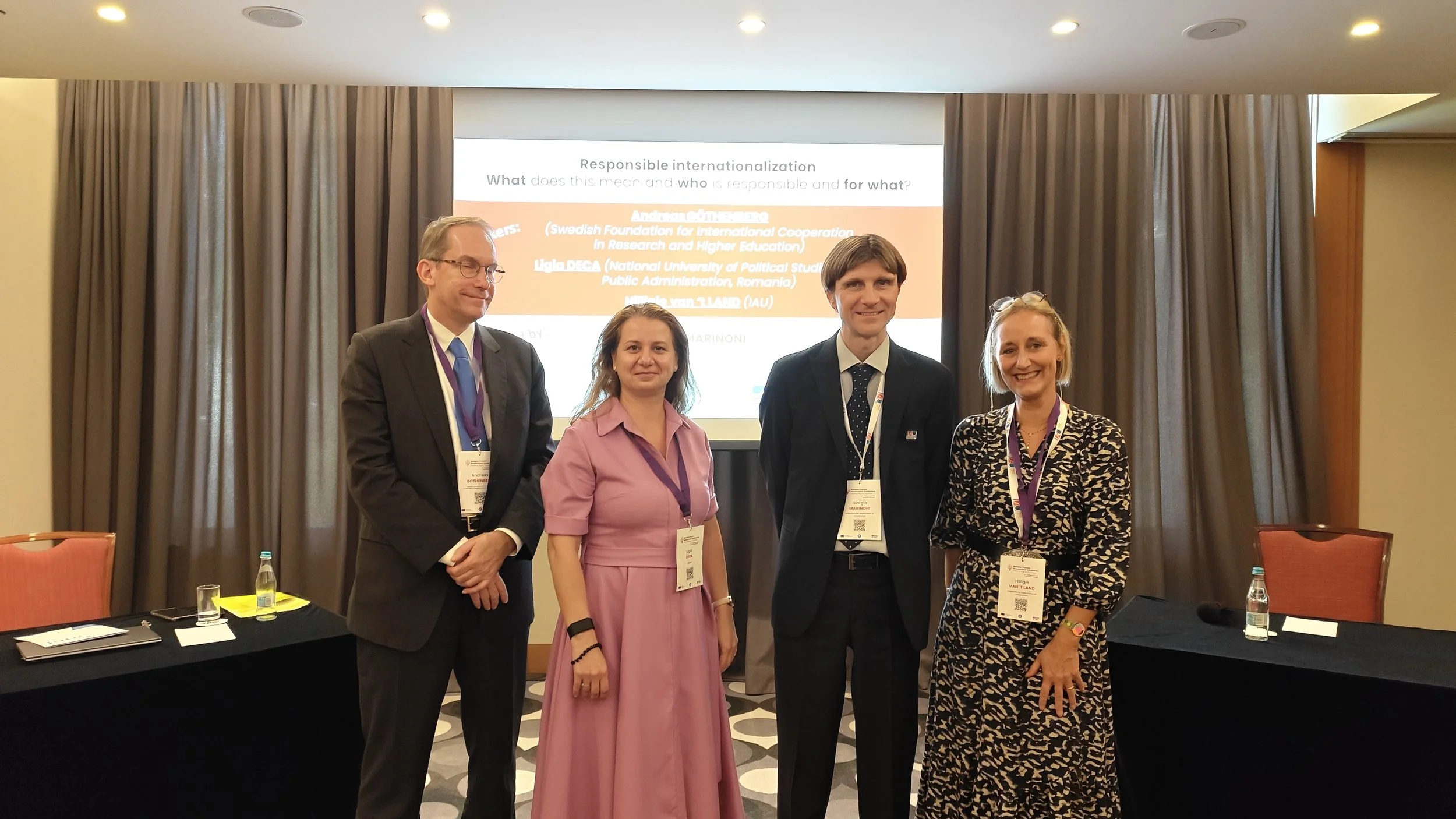
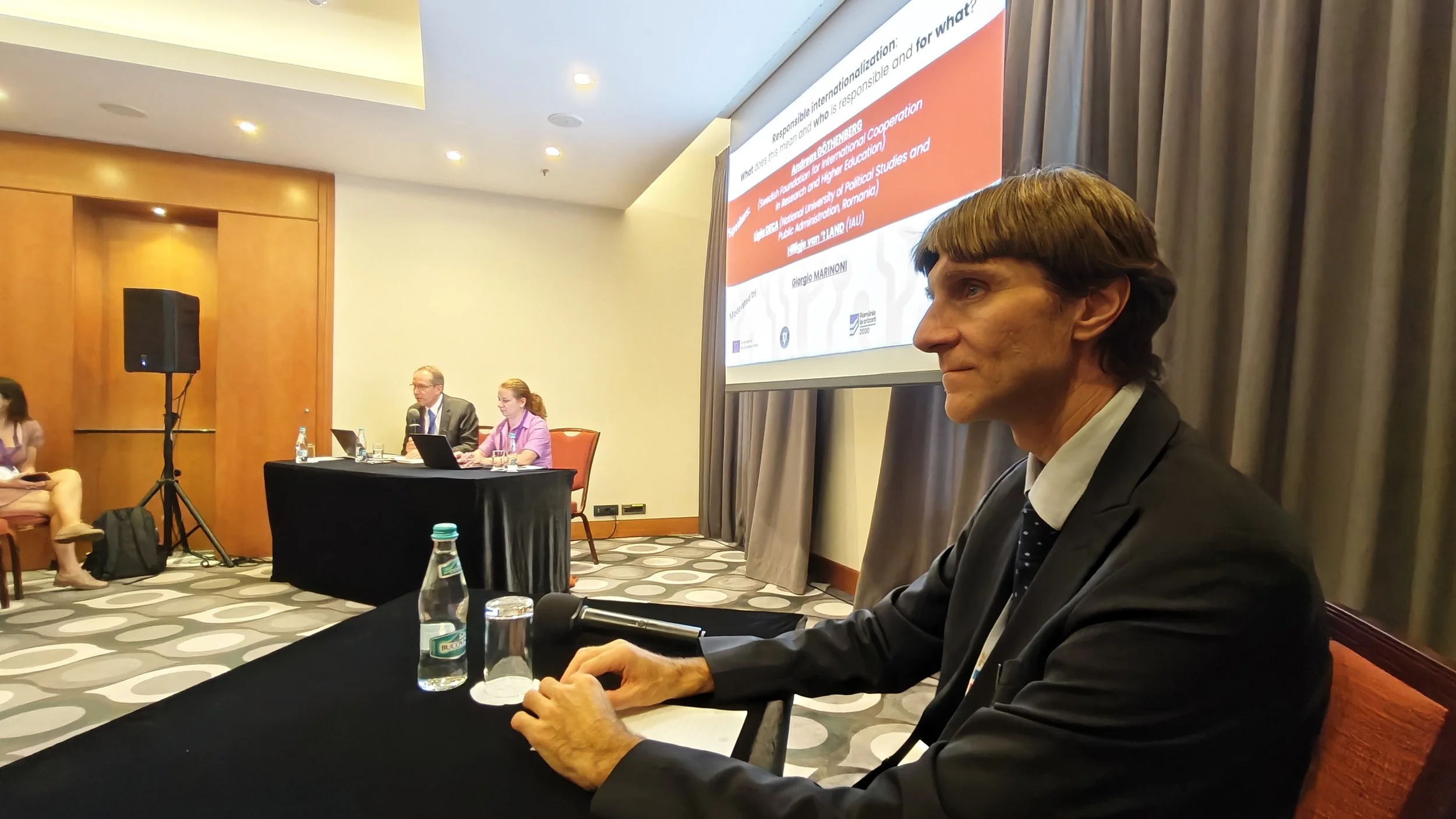
Following the plenary, Giorgio Marinoni chaired the session “Responsible internationalization: What does this mean and who is responsible and for what?”, featuring presentations by Ligia Deca (Vice-rector of the National University of Political Studies and Public Administration and former Minister of Education of Romania) and Andreas Göthenberg (Swedish Foundation for International Cooperation in Research and Higher Education – STINT).
The session covered the conceptual evolution of responsible internationalization: moving from universities' broad societal responsibility to the ethical accountability of individual researchers, and more recently to institutional obligations regarding national security and geopolitical risk.
Andreas Göthenberg examined how responsible internationalization initially emphasized the ethical dimension of research and the civic duty of scientists, before national governments shifted the focus toward research security, knowledge protection, and academic diplomacy.
Ligia Deca addressed the European policy landscape, analyzing how the European Commission and national governments are framing responsible internationalization around the guiding maxim "as open as possible, as closed as necessary". She explored the core tension between state-driven de-risking and values-based academic freedom, addressing the risk of unintended consequences such as administrative burdens, self-censorship, and potential threats to institutional autonomy.
Serving as discussant, Dr van’t Land offered critical reflections on preserving the ethical, cooperative foundation of internationalization while safeguarding institutional autonomy in an era of heightened security concerns.
Overall, FOHE-BPRC6 provided a vital forum to tackle various challenges facing higher education institutions, reinforcing the need for academic freedom, evidence-based policymaking, and sustained international dialogue.