Education for Sustainable Development – Launch of new UNESCO Guidance Tools with IAU
Paris, France – September 2026
The IAU is pleased to announce that on 17 September 2026, UNESCO launched 3 new guidance tools for Education for Sustainable Development (ESD) during an online event. One of the three guidance tools, the Whole-Institution Approach (WIA) Guidance Tool, was co-authored by IAU Senior Programme Officer for Sustainable Development Isabel Toman, UNESCO Co-Chairs for Reorienting Education towards Sustainability, York University, Canada Katrin Kohl and Charles Hopkins, and IAU Secretary General Hilligje van't Land. Representing the authors, Isabel and Katrin participated in the UNESCO launch event for the three new guidance tools developed through the project Transforming Futures: Enhancing practice for ESD for 2030 through action research. During the event, Isabel and Katrin presented the WIA Guidance Tool and showed how it can help transform learning spaces into living examples of sustainability.
From Research to Action: New Tools for ESD
The three complementary tools, the Whole-Institution Approaches (WIA) to ESD, Enhancing Pedagogies and Competencies for Sustainability, and Assessing Learning for ESD, provide practical resources to support transformative ESD across all educational contexts and levels. Developed through a combination of academic research and practical testing, the guidance tools draw on an action research process involving 10 countries and 41 educational institutions, including UNESCO Associated Schools (ASPnet) and higher education institutions. At the launch event, the author teams and representatives from participating countries reflected on the research process and shared insights from the development and implementation of the tools, highlighting the importance of connecting research, policy and practice to advance ESD.
The IAU’s Contribution to Transforming Futures
The IAU has been an active partner in the Transforming Futures project since its conception in 2024. Through the development of the WIA Guidance Tool, a new layer of partnership was established between the IAU and IAU HESD Cluster Lead for SDG 4, York University. The project began with a literature review on "whole-school and WIA sustainability learnings and practices across all levels of education" with the aim of identifying patterns that support institutional transformation. This literature review, "Identifying the ‘Building Blocks’ of a Transformative Whole-institution Approach to Education for Sustainable Development," outlines the ‘WIA Building Blocks’ model. Continuing the development of the WIA Guidance Tool, the team of co-authors also held several focus group meetings with IAU Members who were invited to pilot Guidance Tool methodologies in their institutions.
“We are pleased to share these guidance tools with the higher education community and invite institutions around the world to use them, adapt them to their own contexts, and share their experiences. Strengthening ESD is essential to advancing SDG 4 and to enabling HE to contribute to sustainable development more broadly. As we look towards the UNESCO ESD World Conference in Kenya and the 2027 review of SDG 4, we encourage higher education institutions to engage actively in these discussions and join the collective effort to transform.”
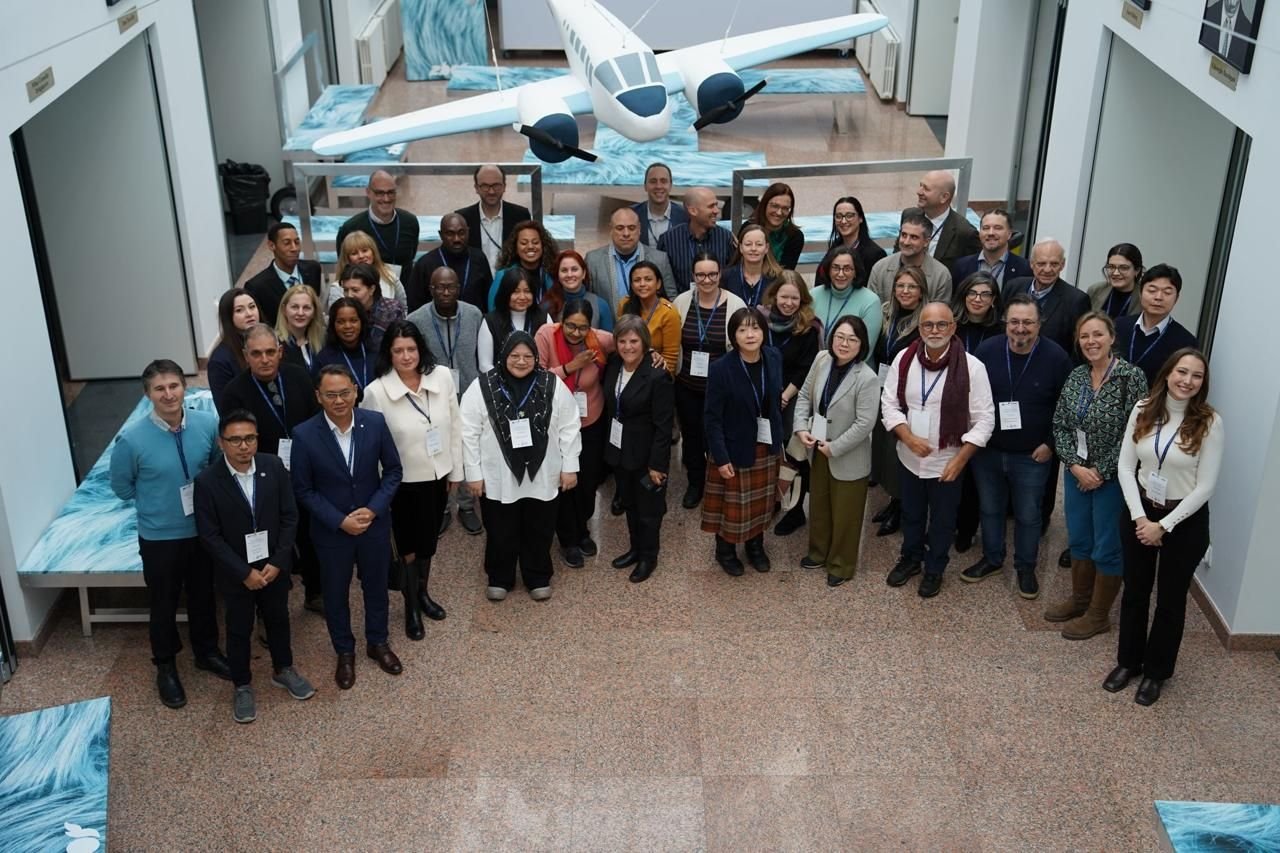
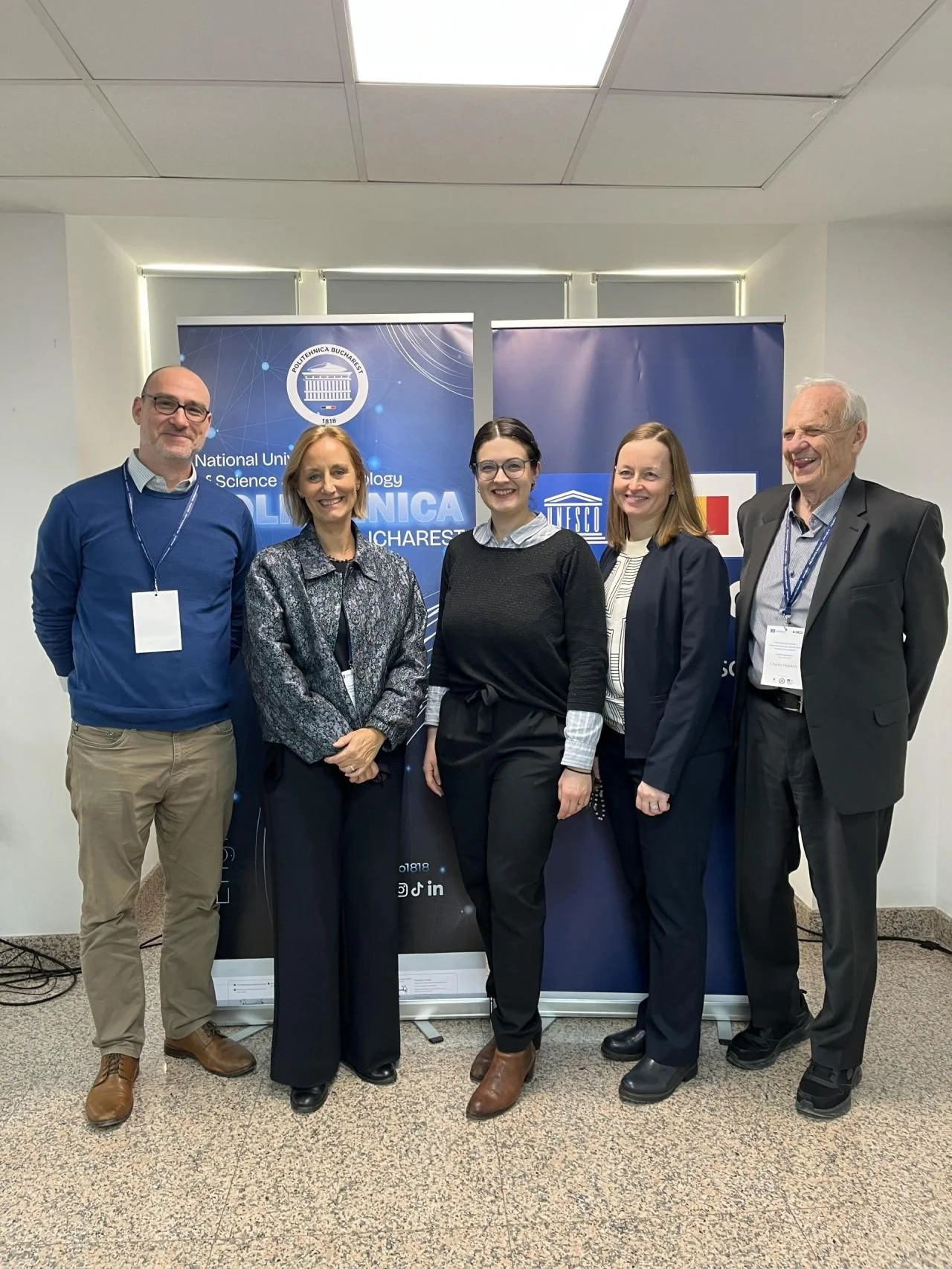
Experts from the IAU network moreover contributed to the complementary tools, including UNESCO Chairs Daniel Fischer from Leuphana University in Germany, with co-authors Jordan King, University of Tennessee at Chattanooga, U.S., and Aaron Redman, Arizona State University, US (Guidance Tool on ESD Assessment), and Robert Didham from the University of Inland Norway (Guidance Tool on ESD Competencies). At the Kick-off Meeting in Paris in March 2025, the Global Symposium in Bucharest in January 2026, and online throughout the project, the IAU participated in meetings with national delegations, country researchers, and teachers.
A Call for (Higher) Education for Sustainable Development
The IAU encourages the global HE community to share and apply the Guidance Tools and join the efforts to transform higher education through ESD as a key enabler for SDG 4: Quality Education. This comes at a crucial time, before the UNESCO ESD World Conference (January 2027, Kenya) and the review of SDG 4 scheduled for the UN High-Level Political Forum 2027 (July, US).
Questions may be addressed to hesd@iau.global.