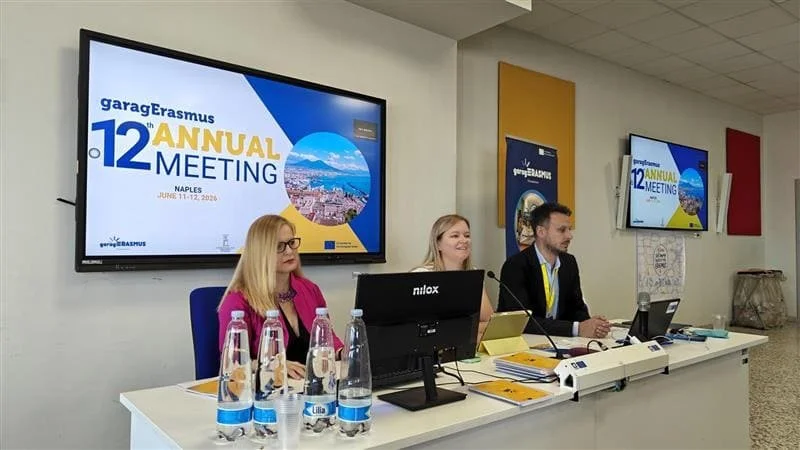
GaragErasmus Annual Meeting 2026
Naples, Italy – 11-12 June 2026
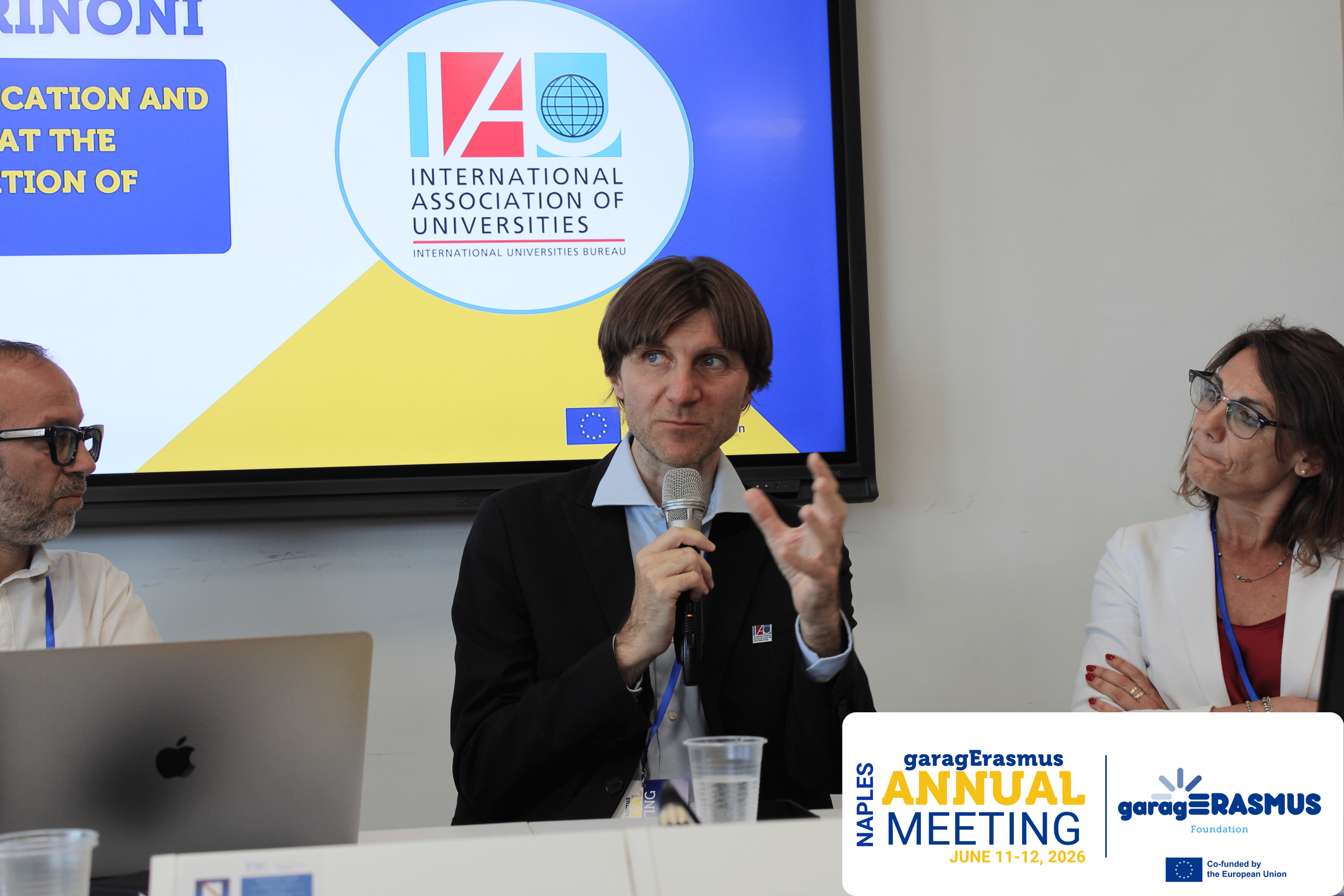
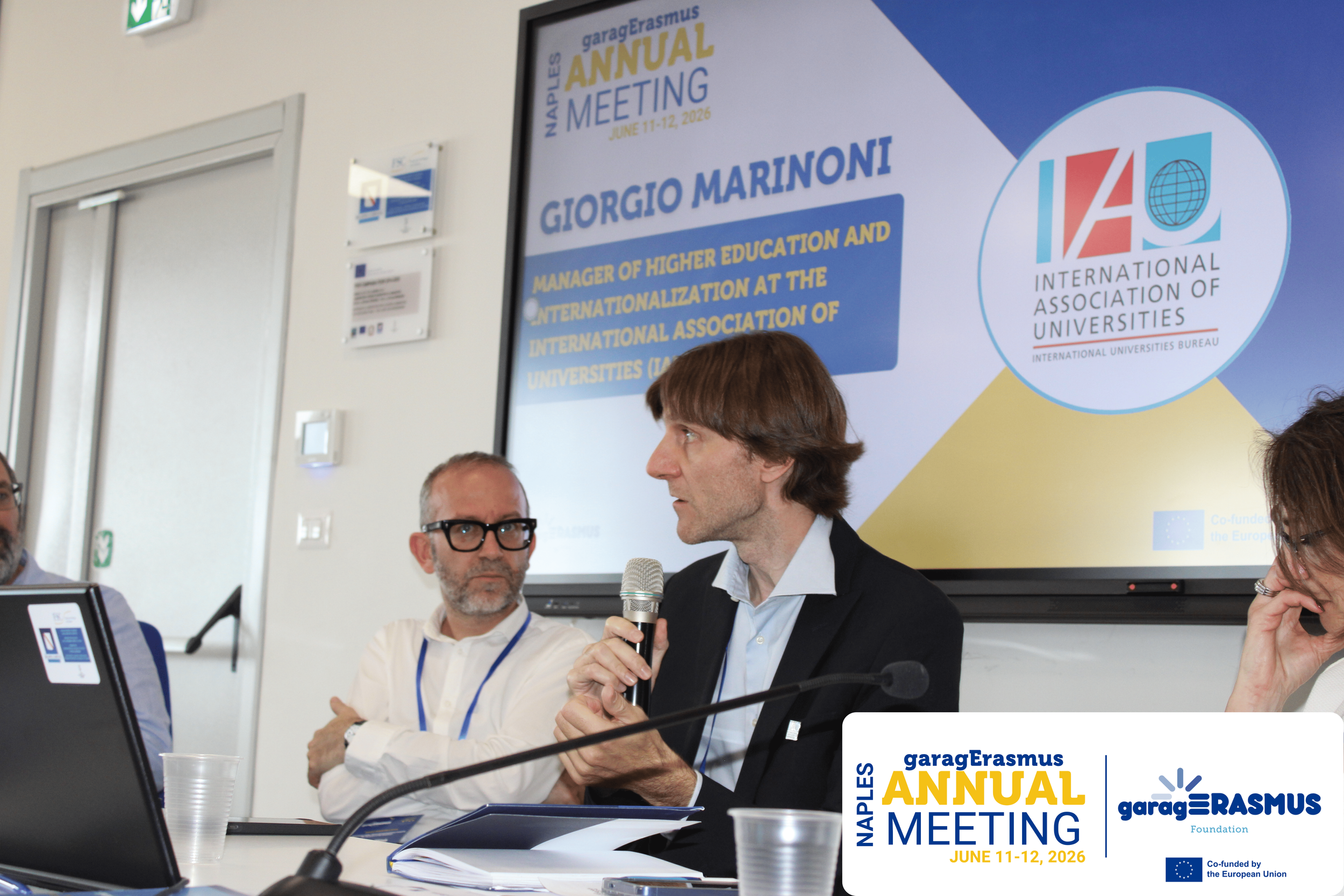
IAU Manager of Higher Education and Internationalization, Giorgio Marinoni, recently contributed to the 2026 Annual Meeting of the garagErasmus Foundation. GaragErasmus is the Erasmus Generation Professional Network and aims t be a creative hub for mobile talents to support the shaping of a new Europe.
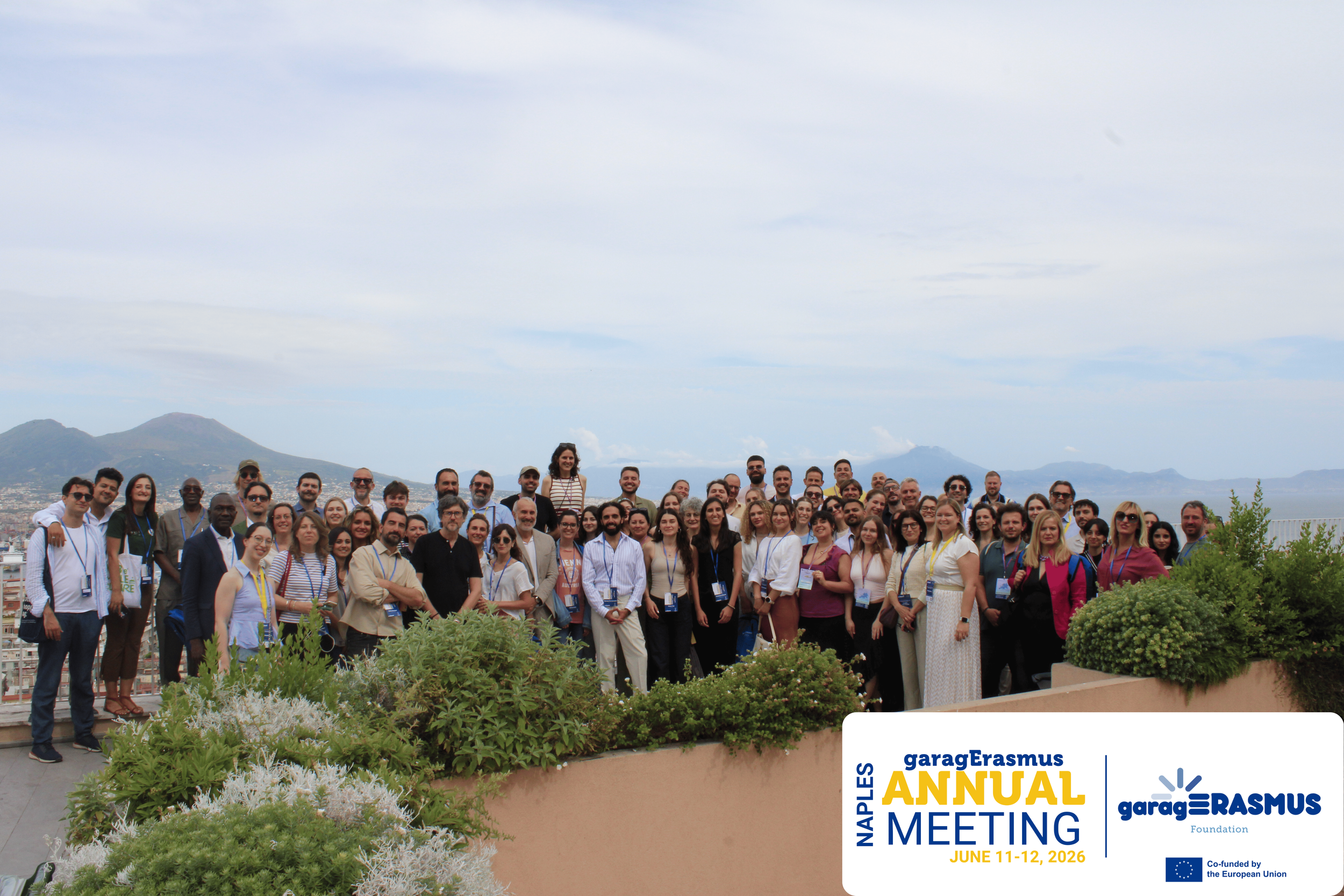
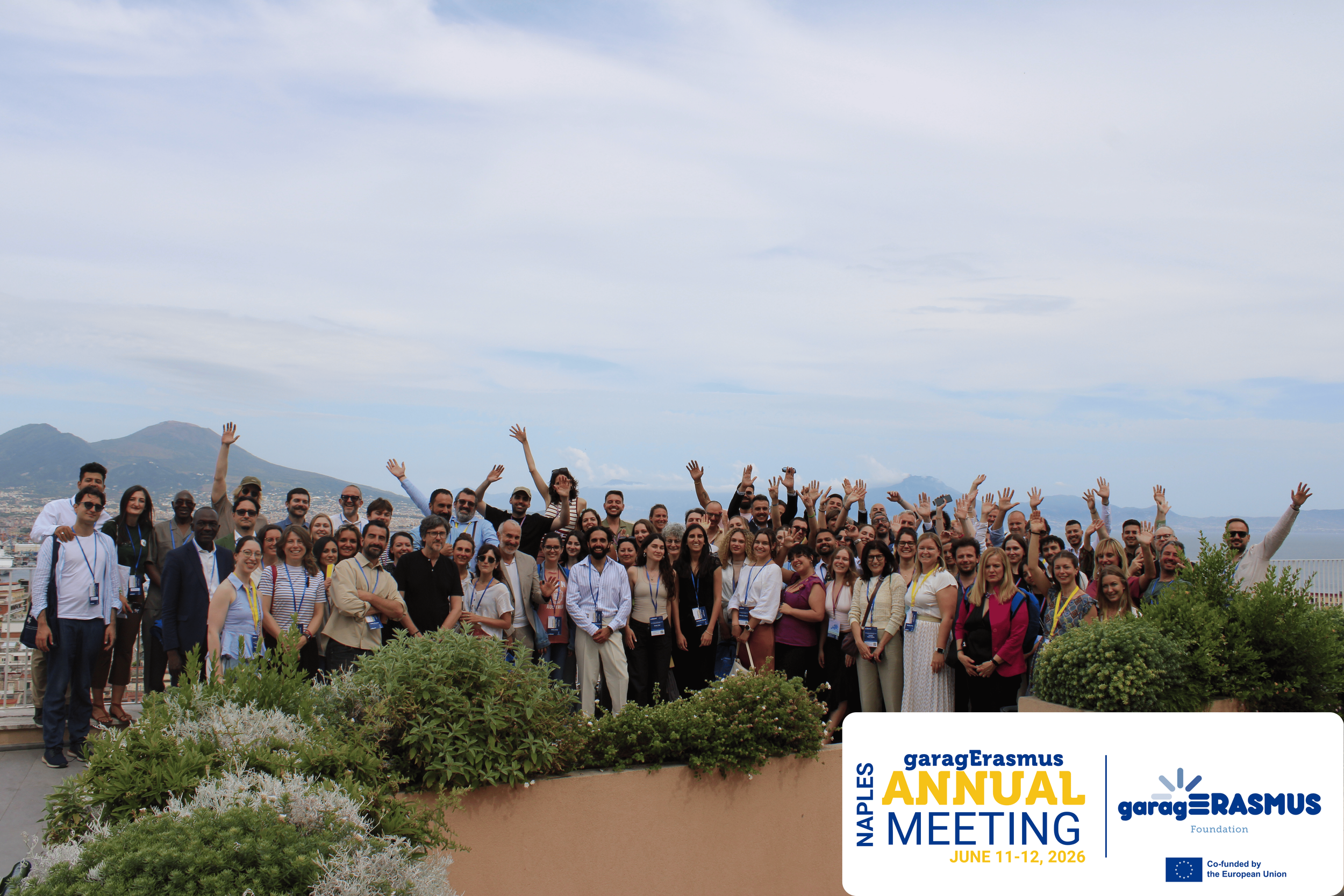
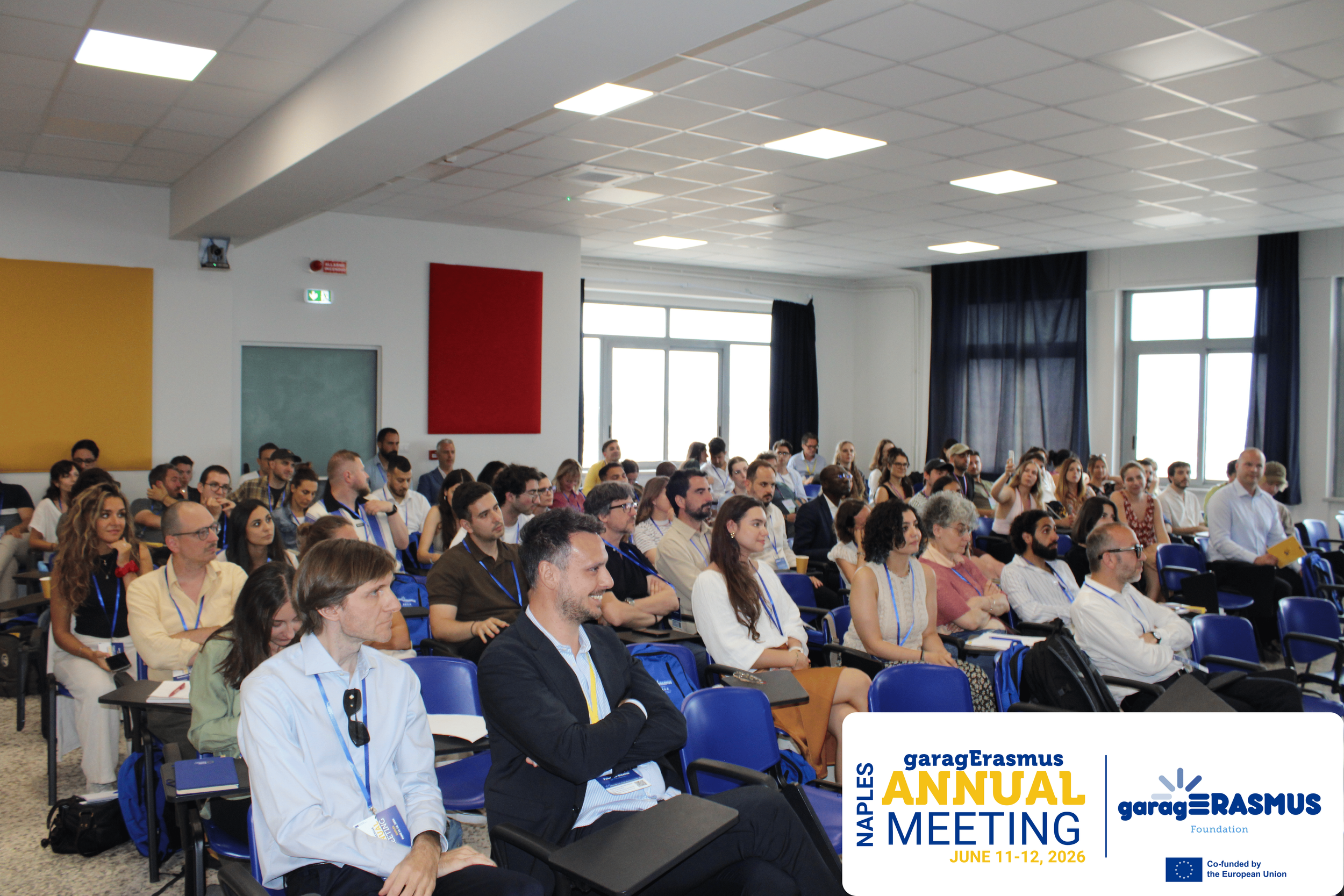
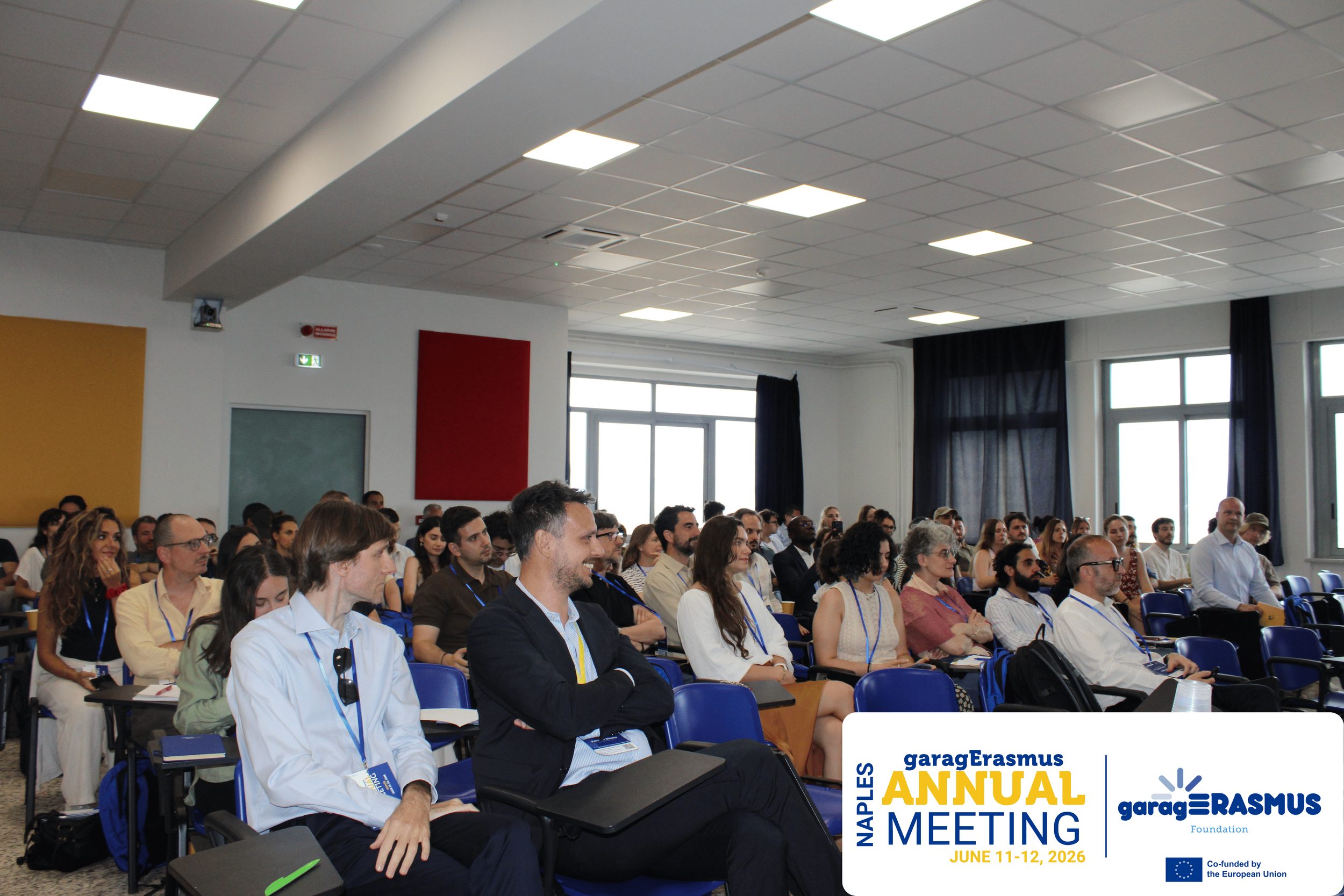
Hosted by Università Suor Orsola Benincasa—a GaragErasmus Foundation Member—the 2026 Annual Meeting brought together the garagErasmus network, institutional stakeholders, partner organisations, and, for the first time, selected external participants. This two-day strategic gathering served as a collaborative platform for reflection as the Erasmus+ programme approaches its 40th anniversary in 2027, a significant milestones in European education and mobility.
Mobilising Skills, Talent and Ecosystems
Under the theme Mobilising Skills, Talent and Ecosystems, the meeting explored the transition of Erasmus+ from a programme to a comprehensive ecosystem. As a key institutional moment for the Foundation, the event reinforced cooperation among members, engaged European and national stakeholders, and contributed to ongoing reflections on the future of learning mobility in Europe.
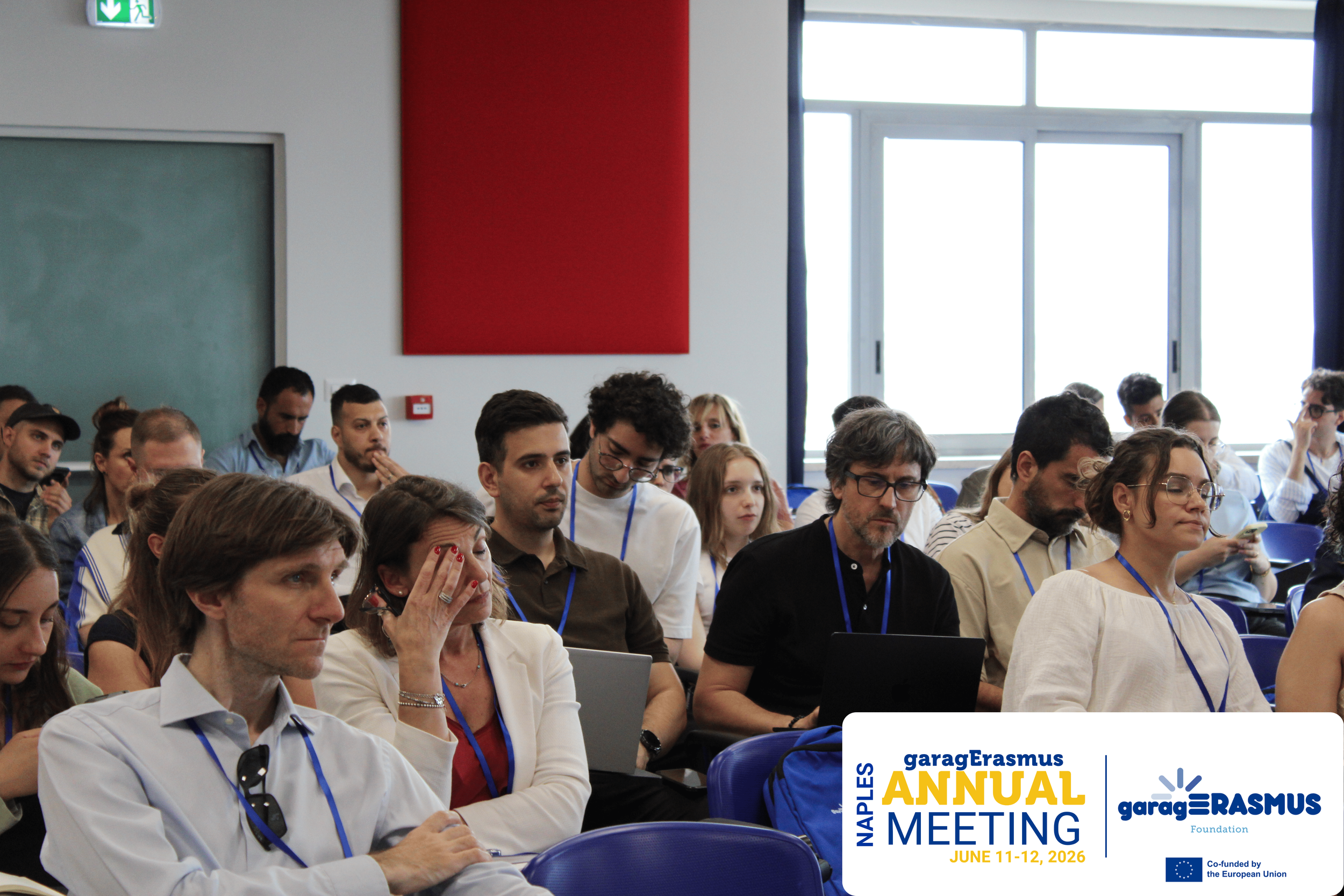
Discussions focused on how Erasmus+ can further mobilise skills, talent, and cross-sectoral collaboration, with particular attention to emerging priorities: the recognition of mobility through micro-credentials, the role of alumni communities in strengthening the Erasmus ecosystem, access to housing, and the Foundation’s strategic policy and project priorities for 2026–2027.
Panel Discussion: The Future of Erasmus+
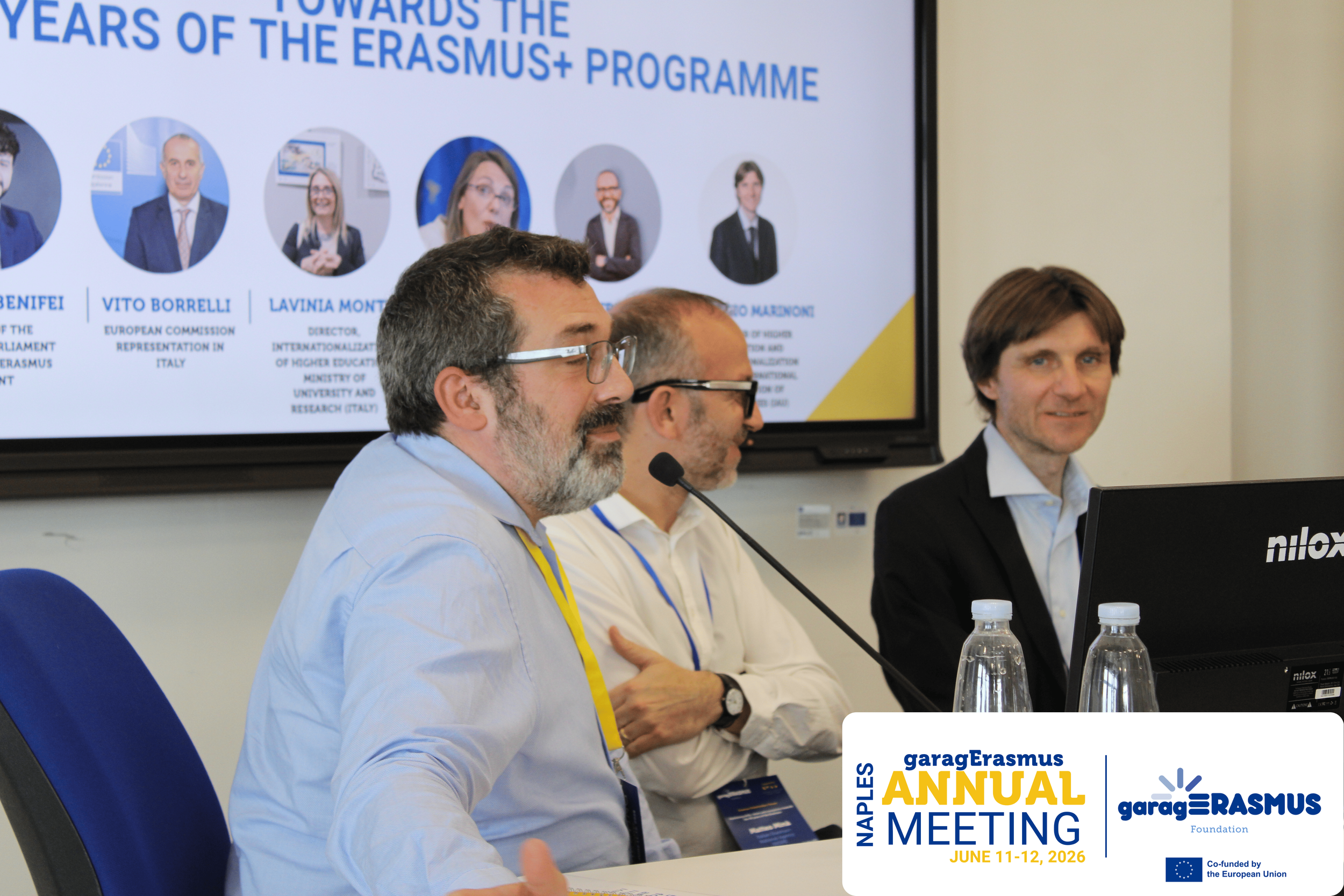
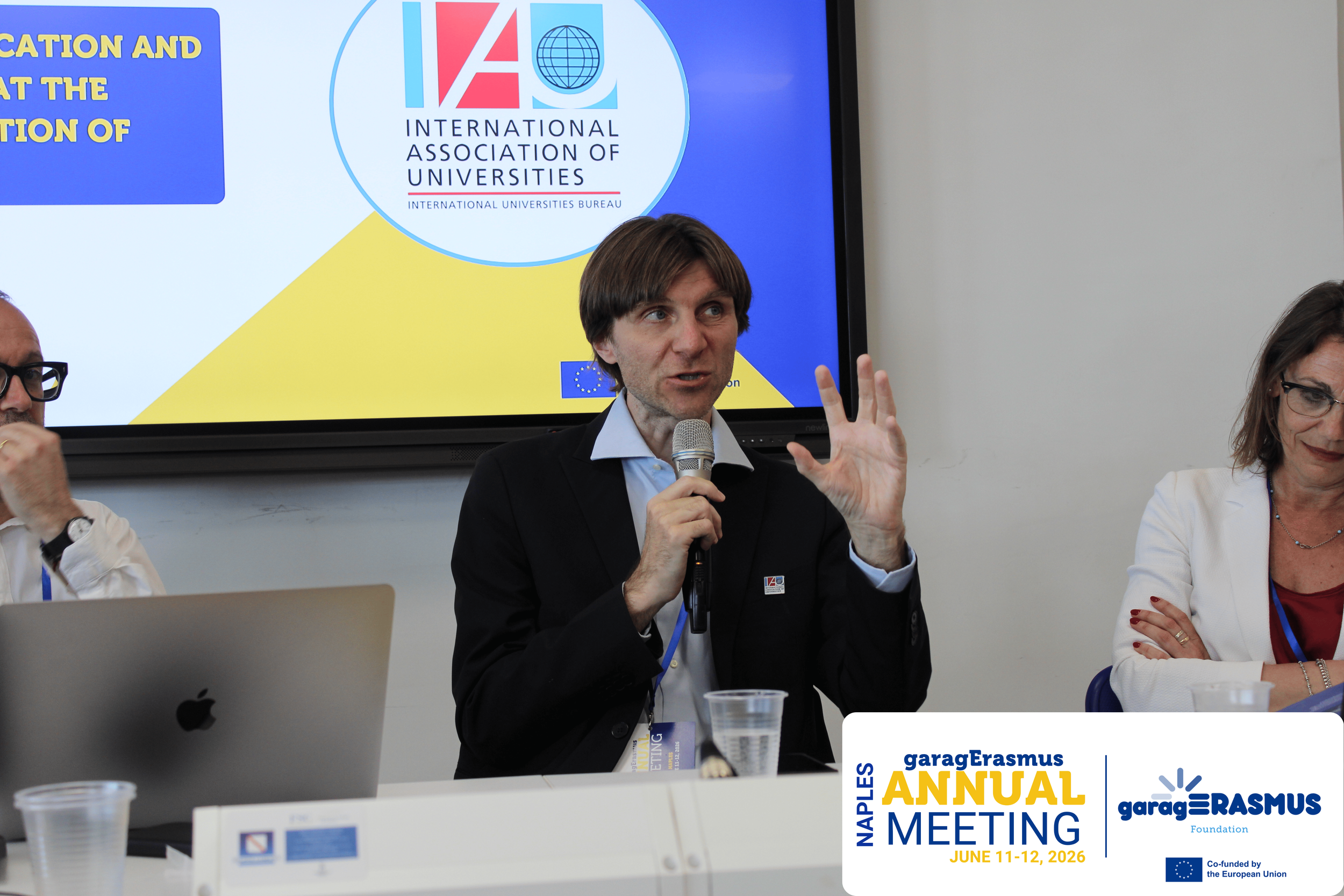
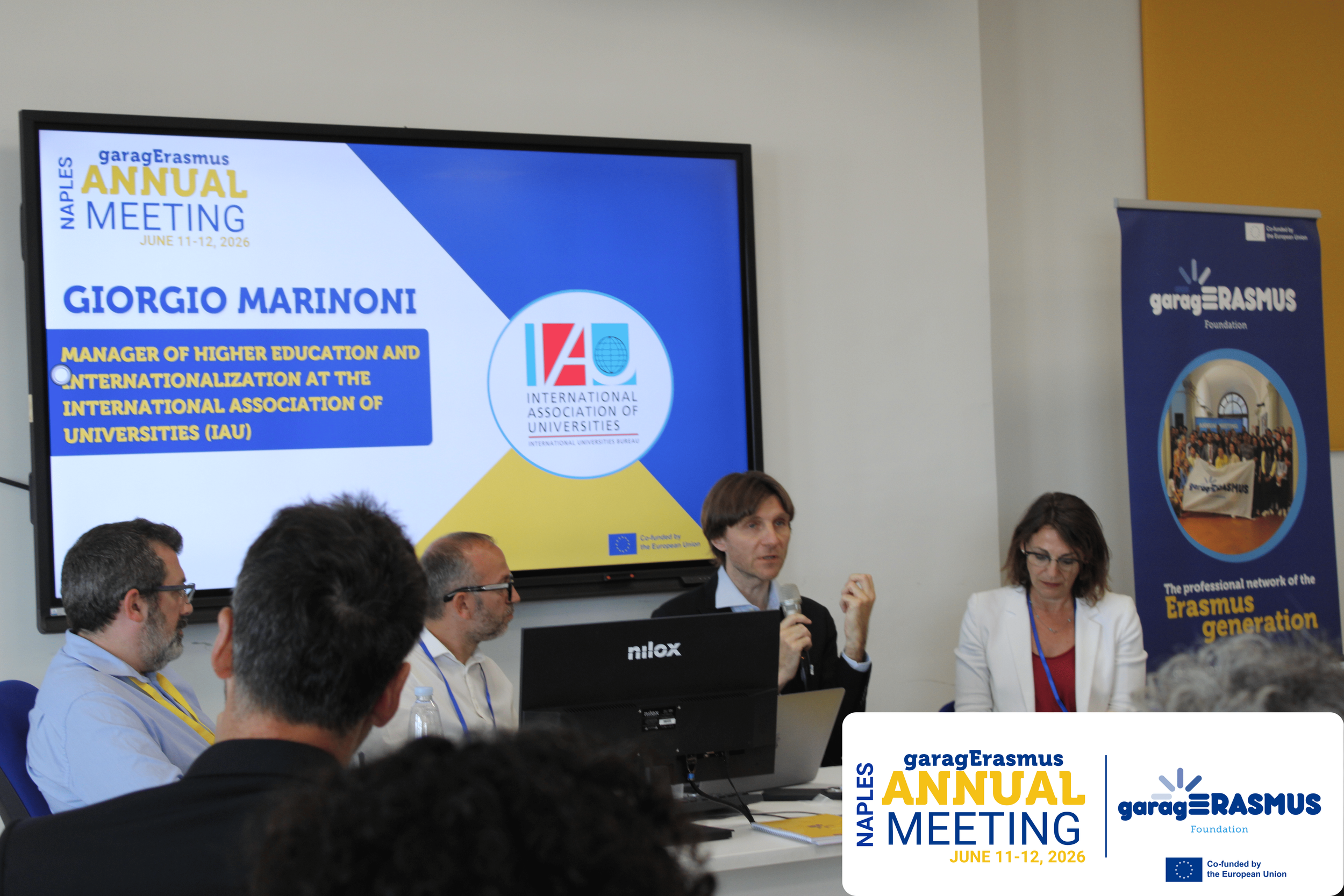
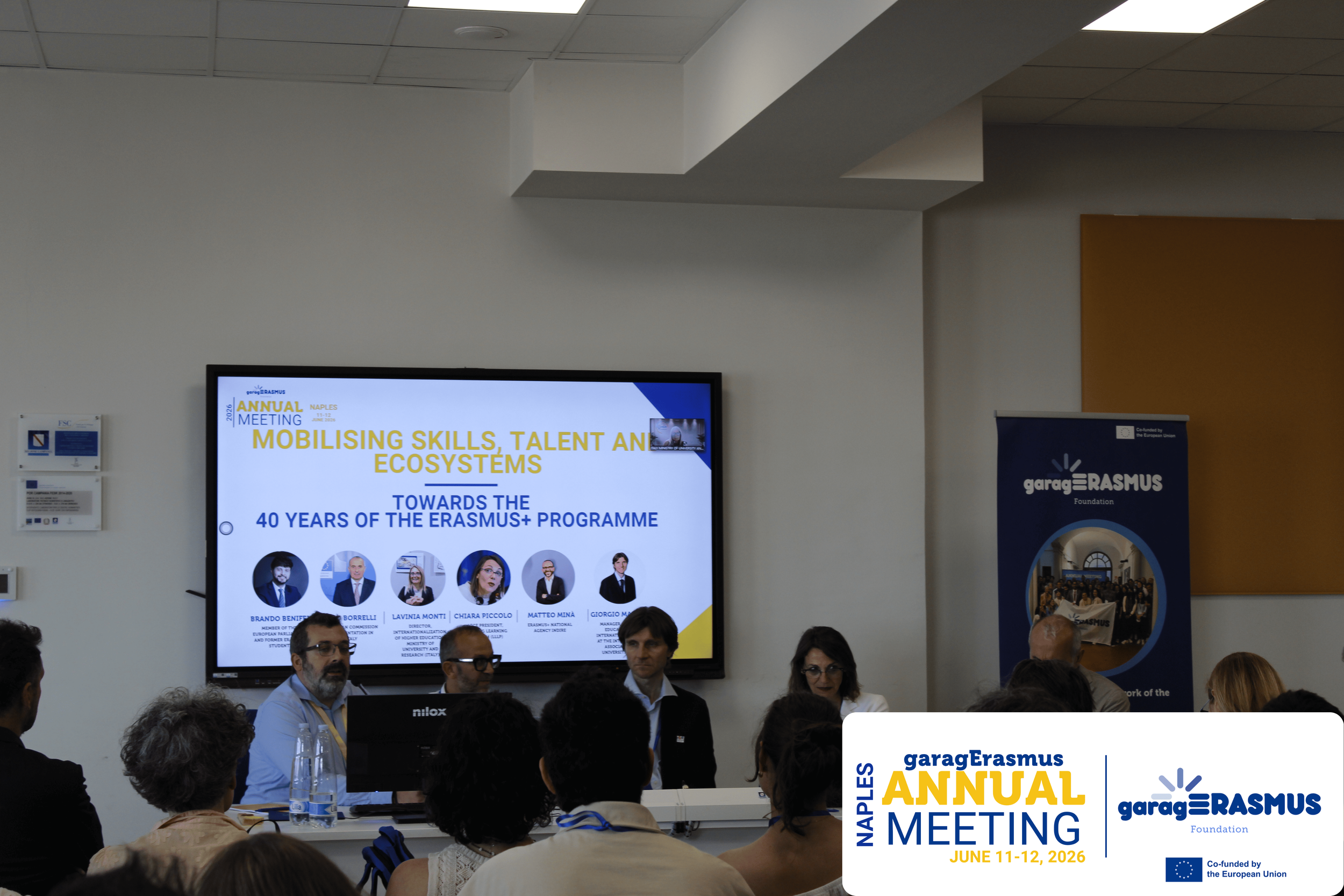
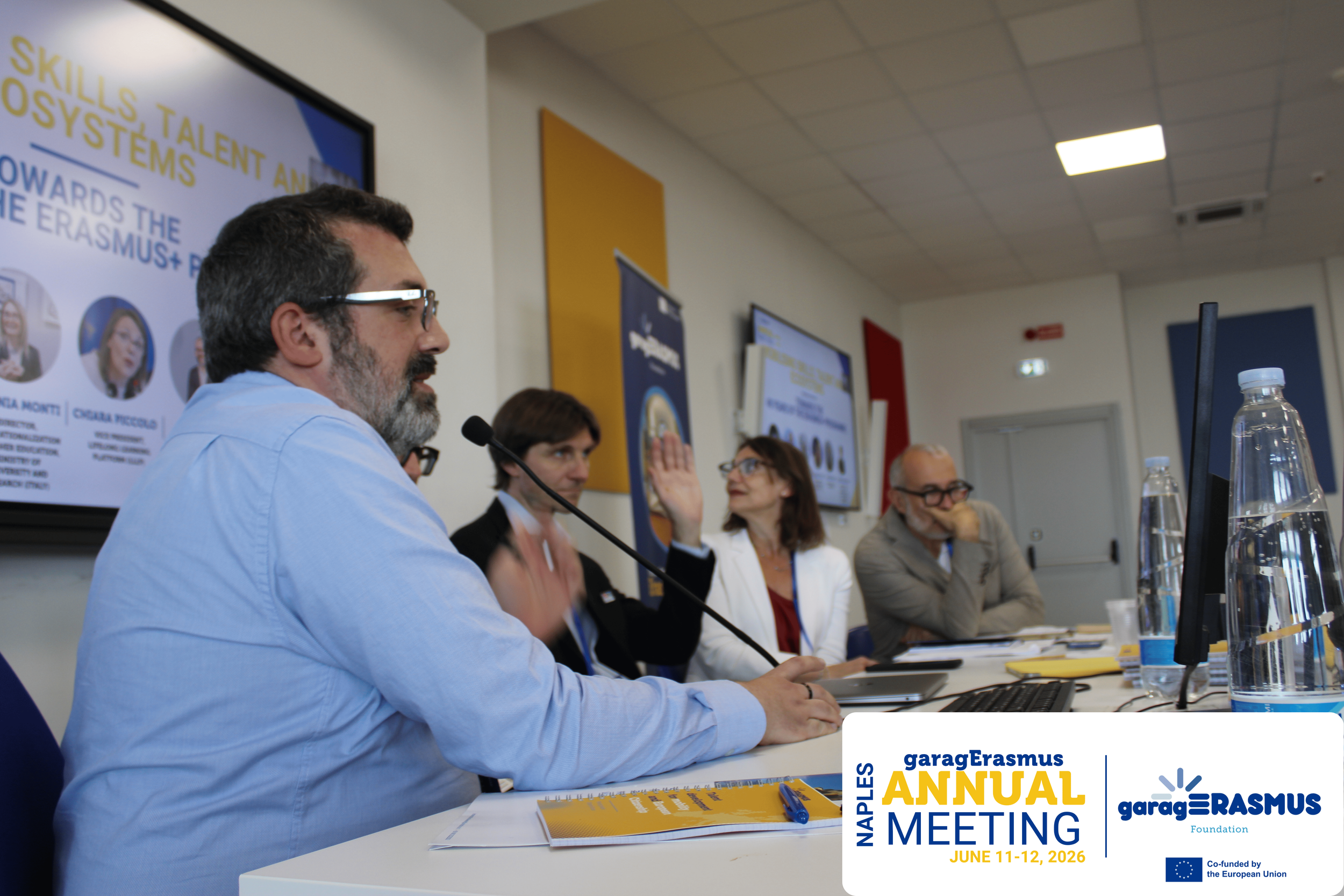
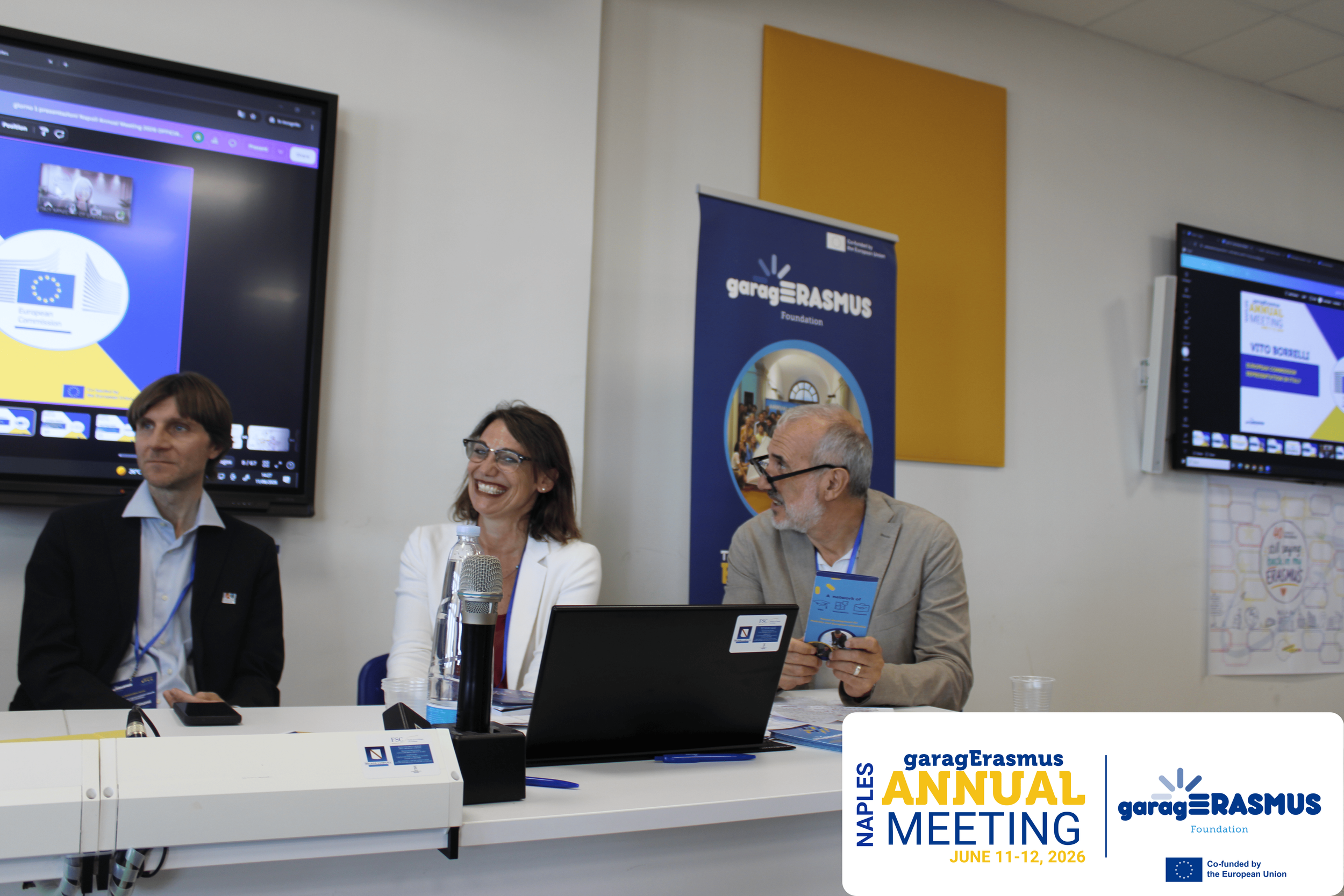
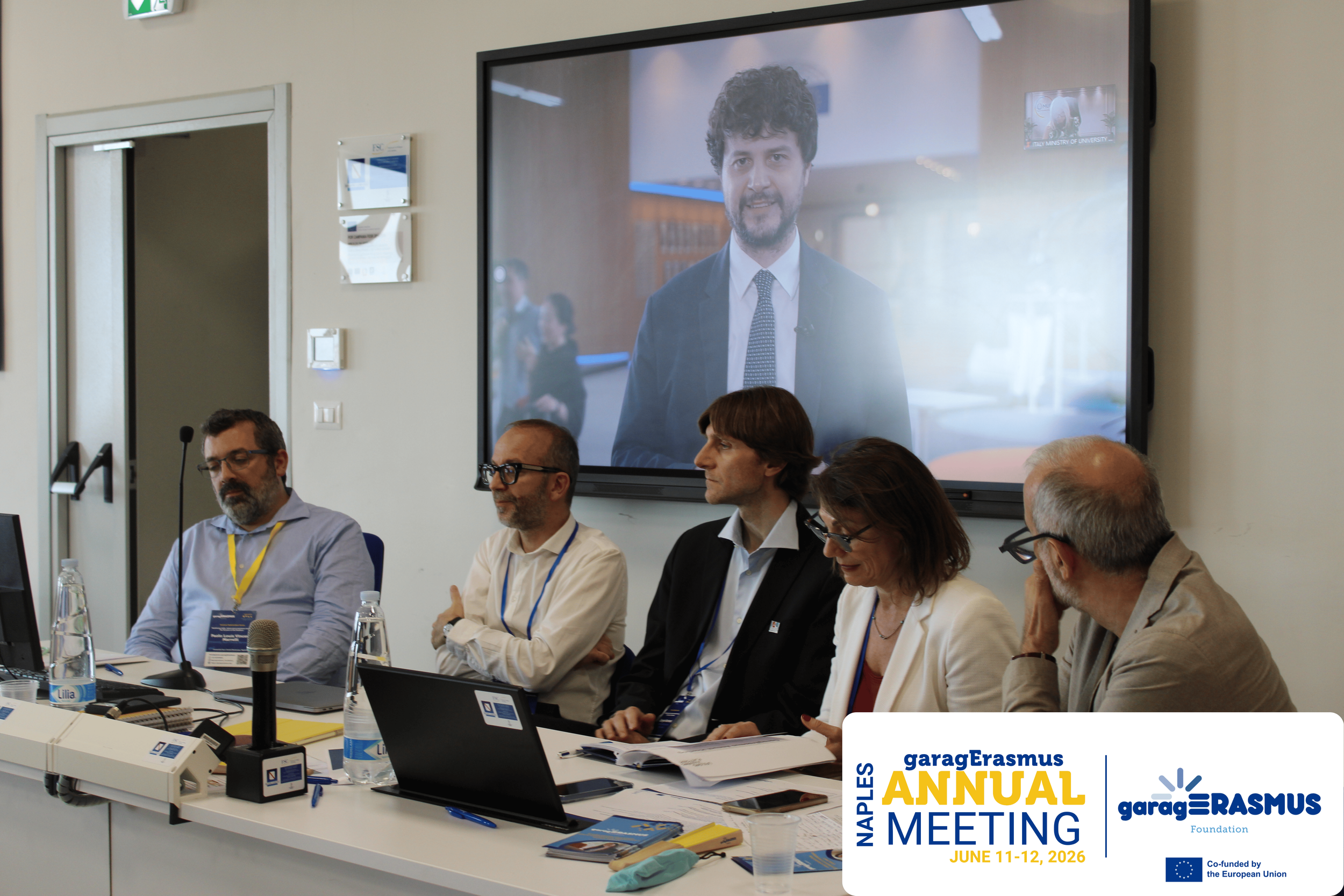
Giorgio participated in a high-level panel discussion on the future of Erasmus+ and the role of education, mobility, participation, and international cooperation in shaping a stronger European ecosystem. He shared the stage with distinguished panelists:
Brando Benifei, European Parliament
Vito Borrelli, European Commission Representation in Italy
Lavinia Monti, Italian Ministry of University and Research
Matteo Minà, Agenzia nazionale Erasmus+ INDIRE
Chiara Piccolo, Lifelong Learning Platform - European Civil Society for Education
In his presentation, Giorgio discussed the future of Erasmus+ by contextualising it within the ongoing geopolitical and demographic changes that influence global student mobility flows. He reminded the audience that while it is important for Europe to attract talent from other regions of the world, it must be done through mutually beneficial partnerships which stimulate ‘brain circulation’ and prevent 'brain drain.'
ERASMUSNESS Project: Recognising Mobility Skills
In addition to the panel, Giorgio contributed to a Scientific Committee meeting on the ongoing ERASMUSNESS project. This initiative aims to recognise and validate the transversal soft skills acquired through Erasmus+ mobility experiences by developing a research-based system of digital micro-credentials aligned with European competence frameworks.
The project represents a significant step forward in ensuring that the valuable competencies gained through international mobility are properly acknowledged and integrated into learners' professional profiles.
A Collaborative Platform for the Future of Erasmus
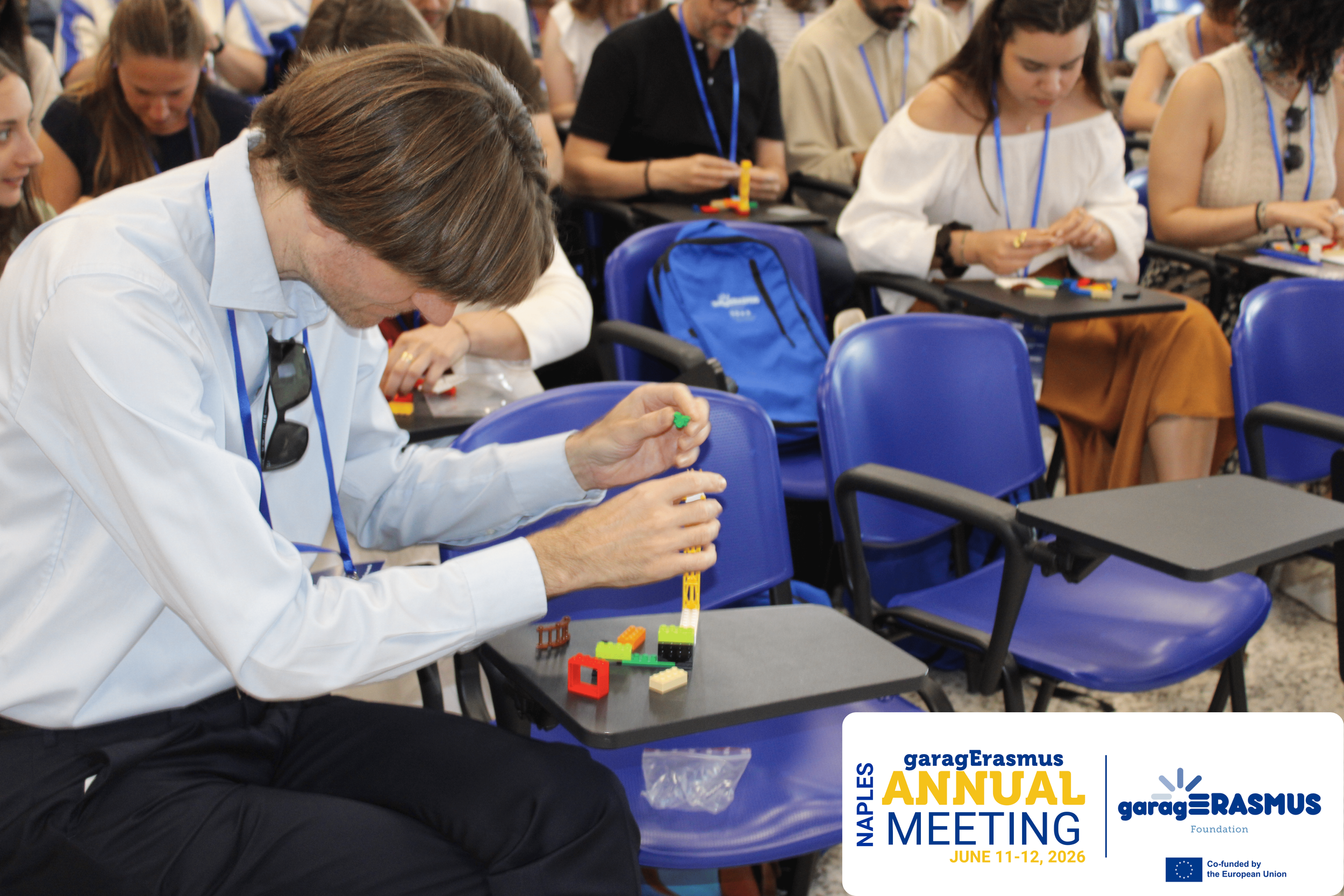
In line with the spirit of the Annual Meeting—bringing together people, projects, institutions and communities to co-create the future of Erasmus—two additional events took place at the same location. The Erasmus+ Alumni in Action workshop gathered twenty Erasmus Alumni to develop proposals and recommendations for the future of Erasmus+, imagining what the next forty years of the Programme could look like. Learn morea bout Erasmus+.