Charting New Horizons for Education for Sustainable Development (ESD)
Hanover, Germany – November 2025
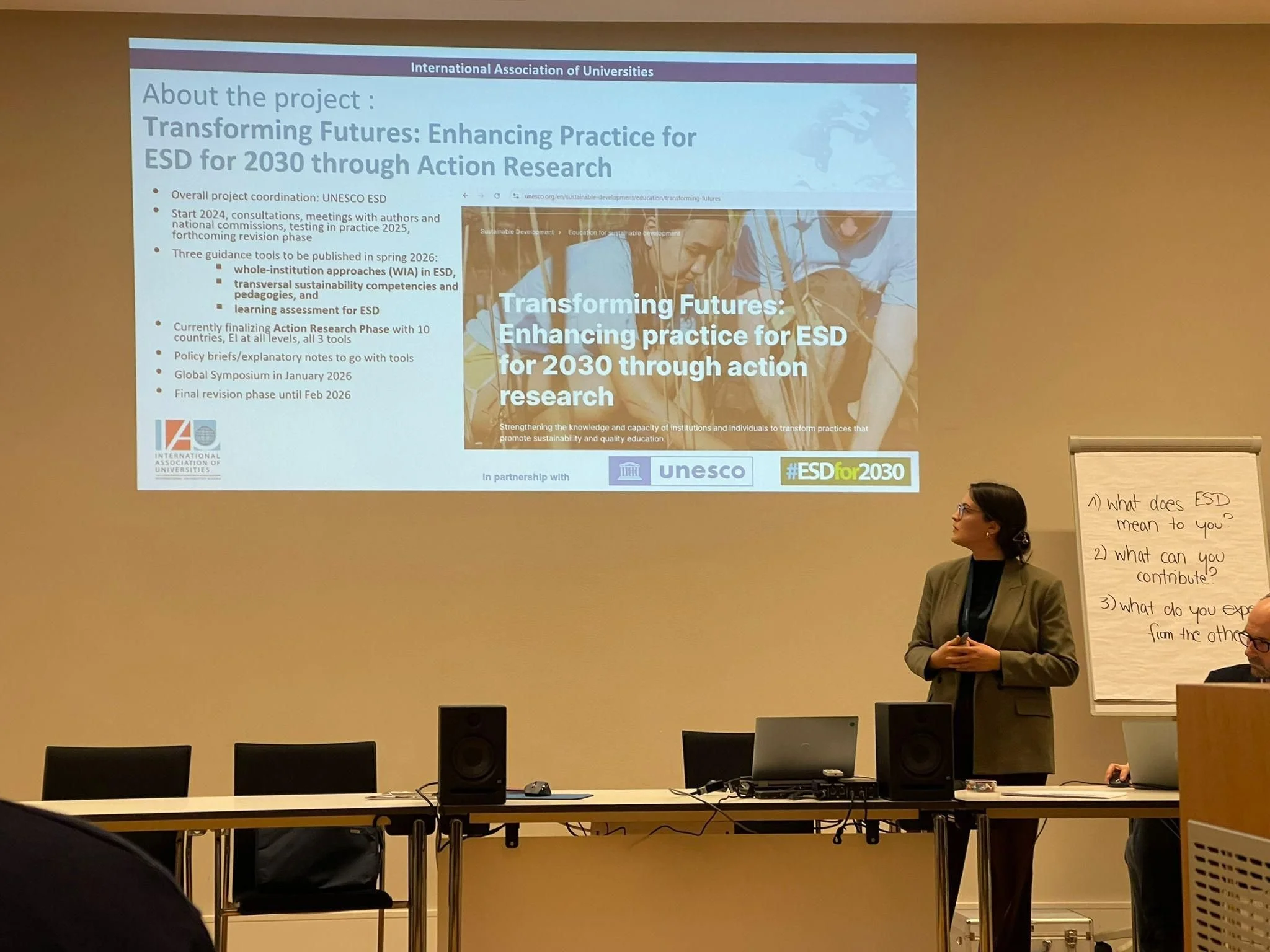
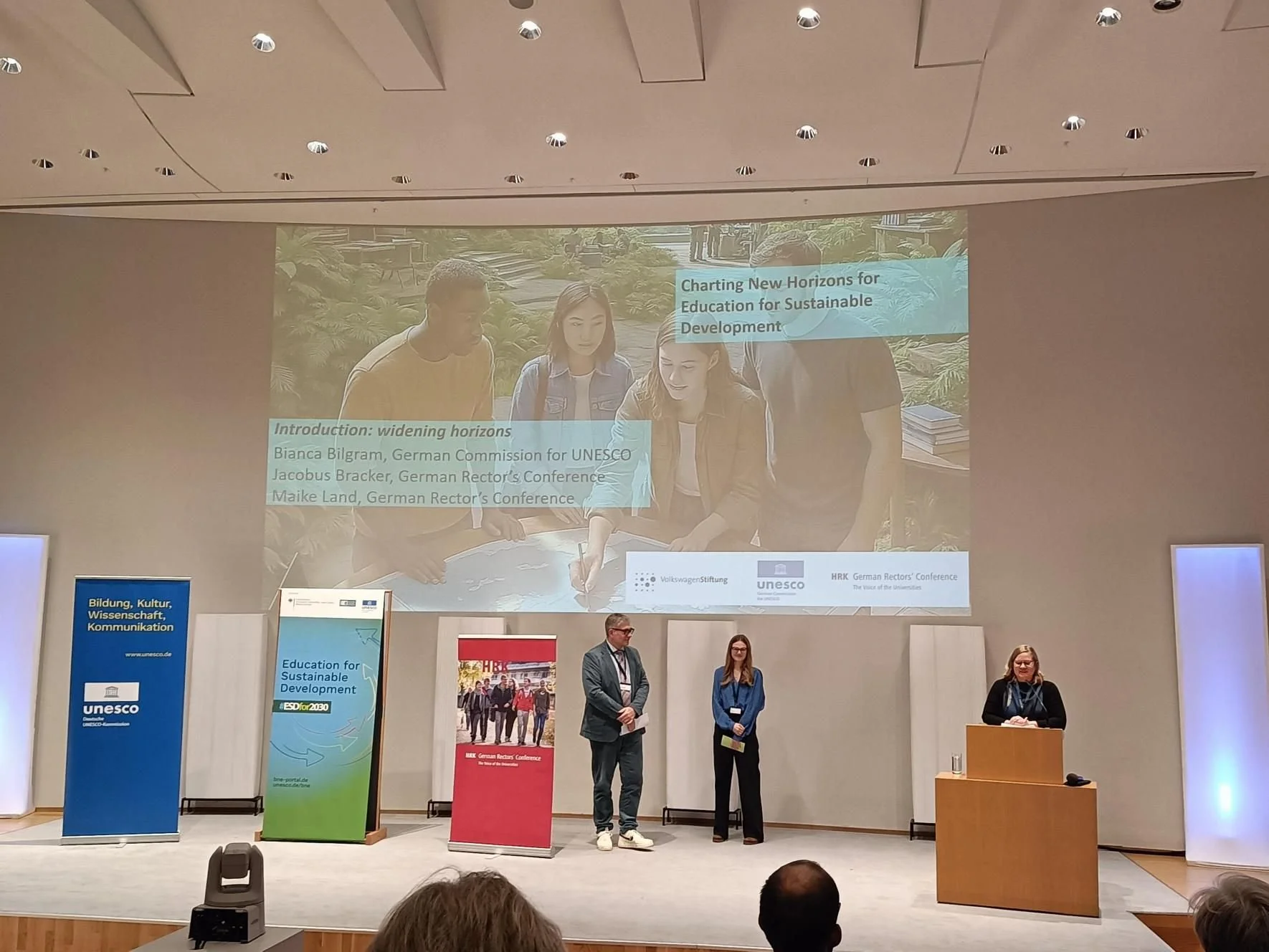
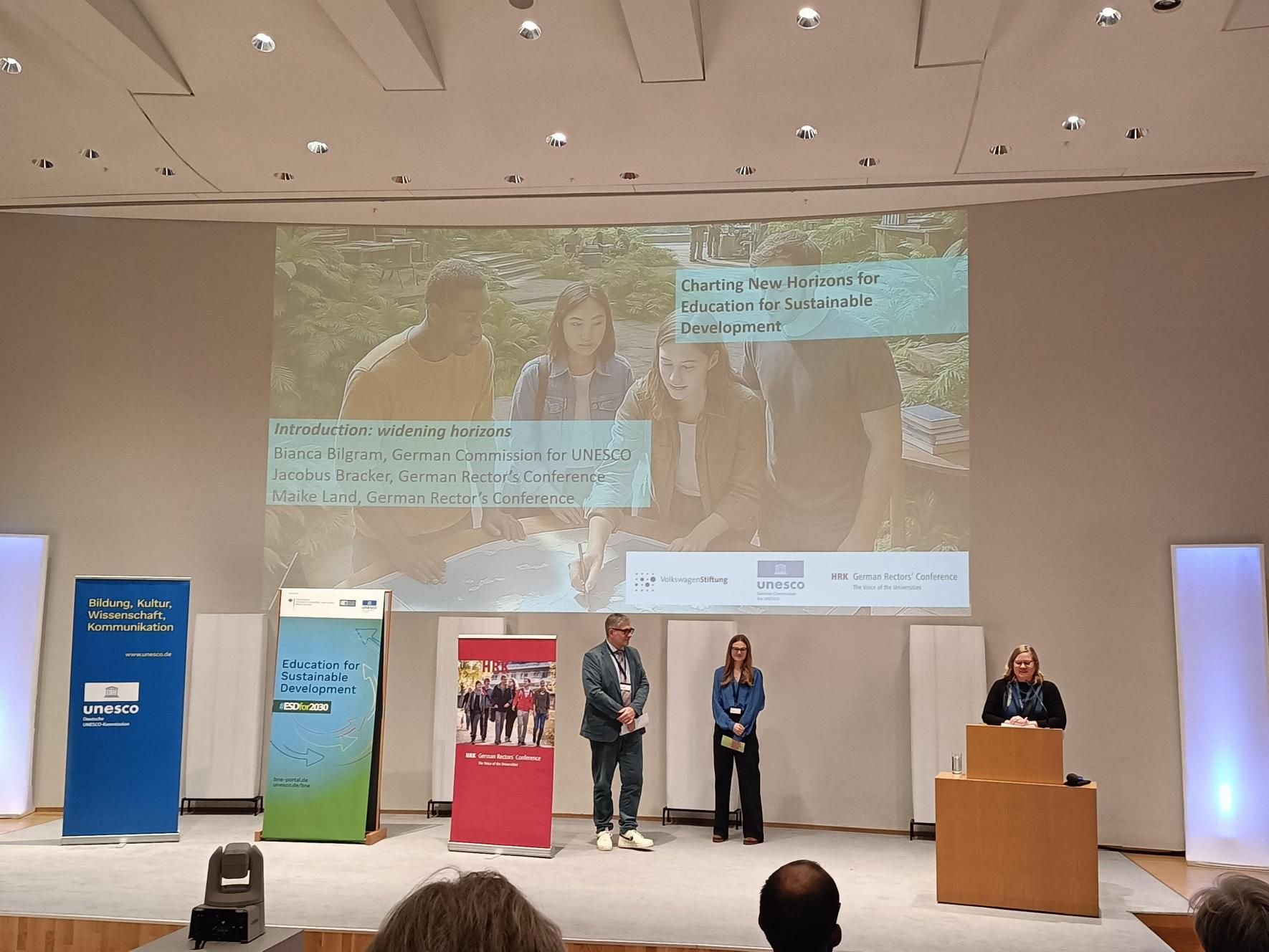
The IAU continues to play a pivotal role in advancing Education for Sustainable Development (ESD) through innovative, whole-institution approaches. From 19-21 November 2025, Isabel Toman, IAU Senior Programme Officer for Higher Education and Sustainable Development (HESD), and Daniel Fischer, UNESCO Chair in Higher Education for Sustainable Development at IAU Member Leuphana University of Lüneburg, co-facilitated a dynamic workshop at the conference Charting New Horizons for Education for Sustainable Development. The event, organized by the German Rectors’ Conference (HRK), an IAU partner and supporting organisation of the 4th IAU HESD Survey, the German Commission for UNESCO, and the VolkswagenStiftung, brought together leading experts and practitioners to explore transformative pathways for ESD in higher education.
A Call for Systemic Change
The conference underscored the urgent need for higher education institutions (HEIs) to reimagine their roles as agents of societal change. As the world grapples with intersecting crises—from climate change to ethical challenges posed by artificial intelligence—ESD emerges as a critical driver for achieving the 17 Sustainable Development Goals (SDGs). The UNESCO Recommendation on Education for Peace, Human Rights and Sustainable Development (2023) reinforces this vision, calling for systemic change in teaching and learning practices, grounded in equity, inclusivity, and ecological responsibility.
Whole-Institution Approaches: A Framework for Transformation
Isabel Toman and Daniel Fischer led an interactive workshop titled Transforming Futures: Higher Education Practice for ESD and the Whole-Institution Approach (WIA). The session introduced participants to the conceptual and methodological frameworks underpinning the soon-to-be-released WIA guidance-tool, co-developed by IAU with York University and UNESCO, IAU, and global experts. The guidance tool on the WIA (next to a guidance tool on Competencies and one on Assessments) is designed to help institutions embed sustainability across governance, curriculum, campus operations, research, and community engagement.
Key takeaways from the workshop included:
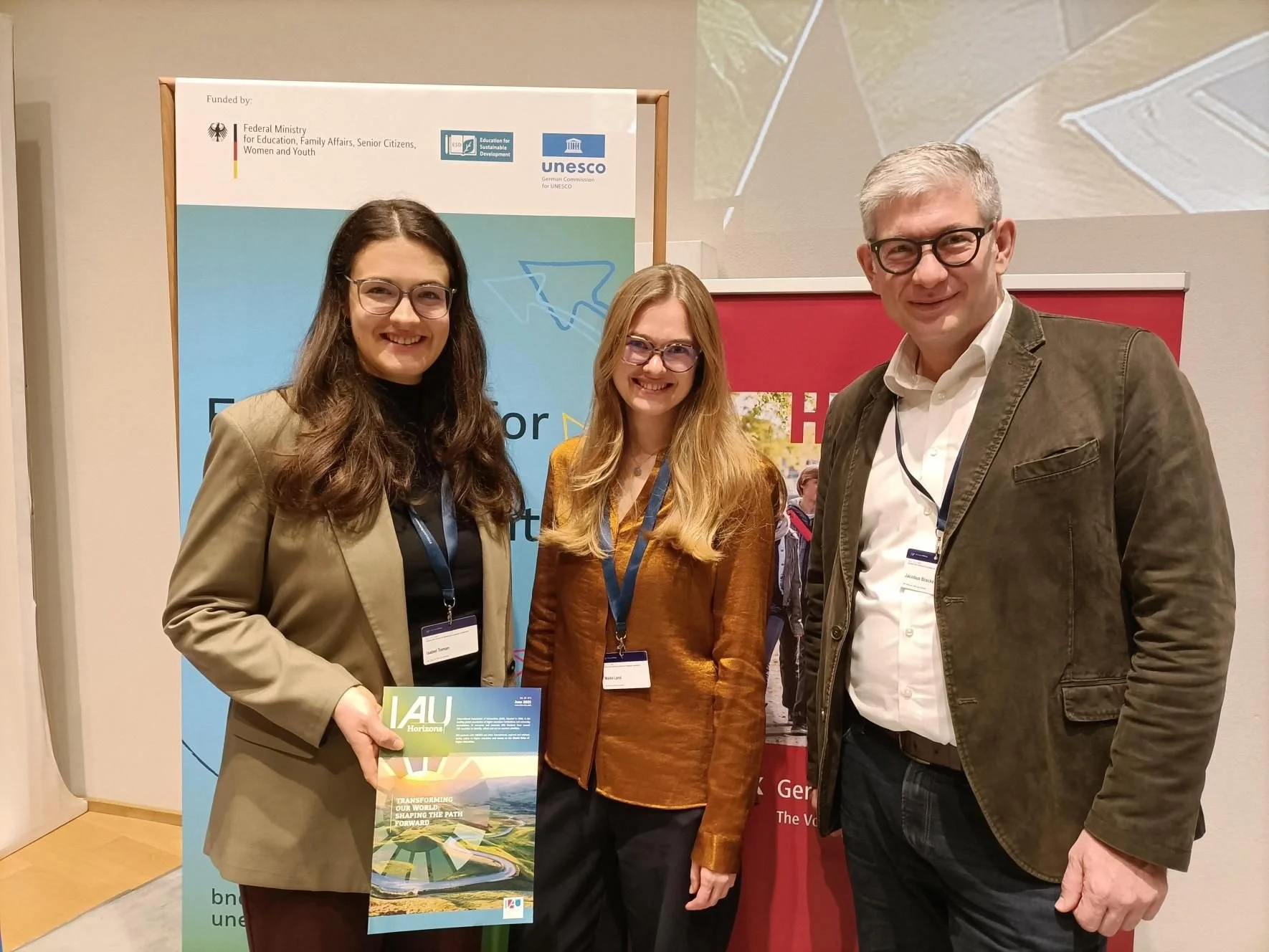
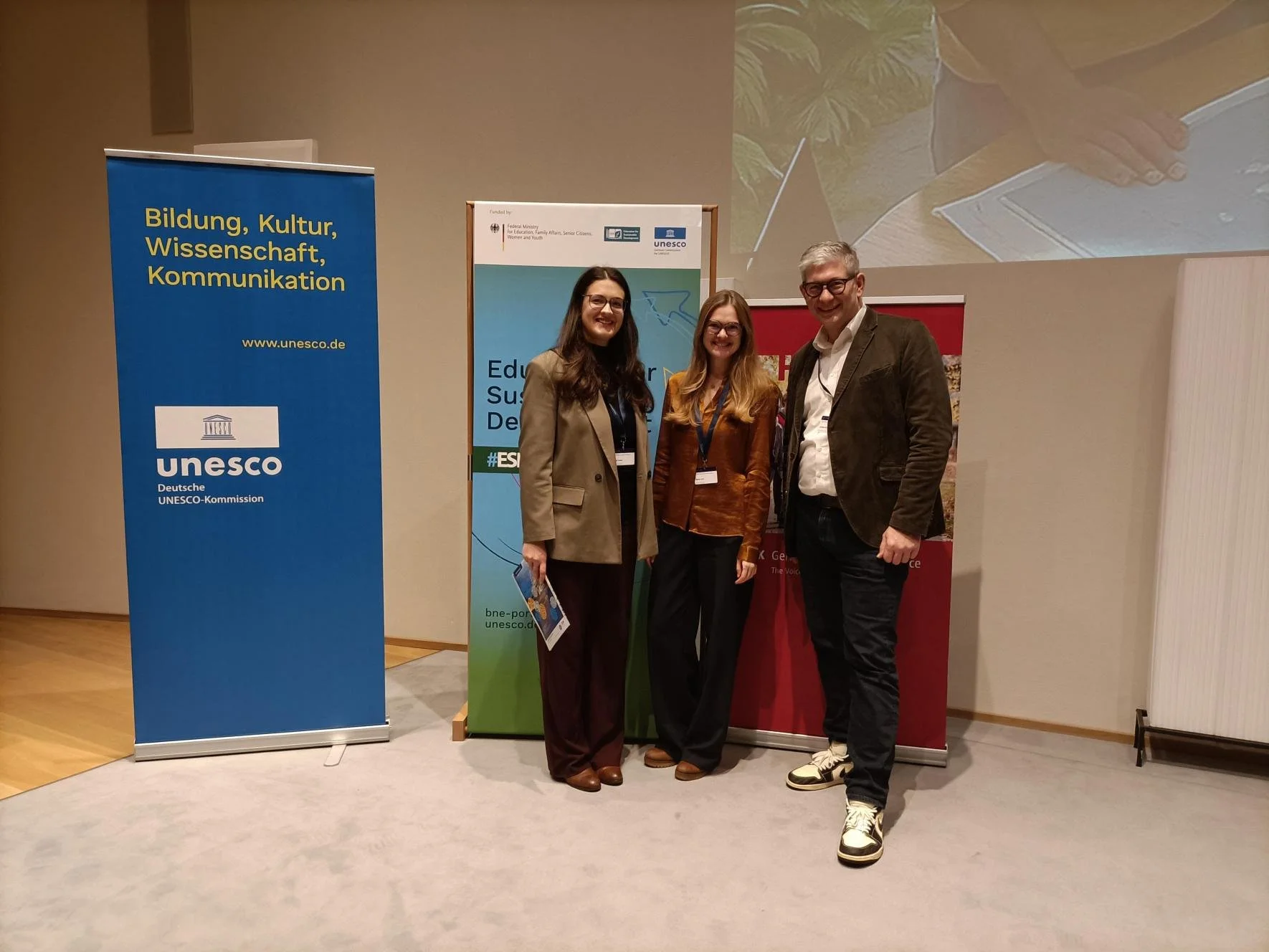
IAU and HRK colleagues Maike Land and Jacobus Bracker, with Isabel Toman (IAU), holding a copy of IAU Horizons.
Alignment of institutional activities and strategies toward sustainability as essential for meaningful progress.
Mapping enabling and constraining forces as a valuable exercise for institutions navigating the complexity of whole-institution approaches.
Open conversations and stakeholder engagement as crucial steps toward transformational change.
Action Research and Pilot Projects
The workshop also highlighted ongoing action research projects, in which the WIA guidance tool is being piloted in diverse educational settings, including primary, secondary, and higher education institutions. These pilots aim to generate context-specific insights into the enablers and barriers to ESD implementation, serving as real-time experiments in fostering institutional change.
IAU’s Commitment to ESD for 2030
The IAU remains at the forefront of supporting HEIs in their journey toward sustainability. Through initiatives such as the IAU Global Cluster on HESD, the 4th IAU HESD Survey (2026), Responsible Futures International, and the abovementioned development of guidance tools in collaboration with UNESCO, the IAU is empowering institutions to become models of sustainability and agents of societal transformation.
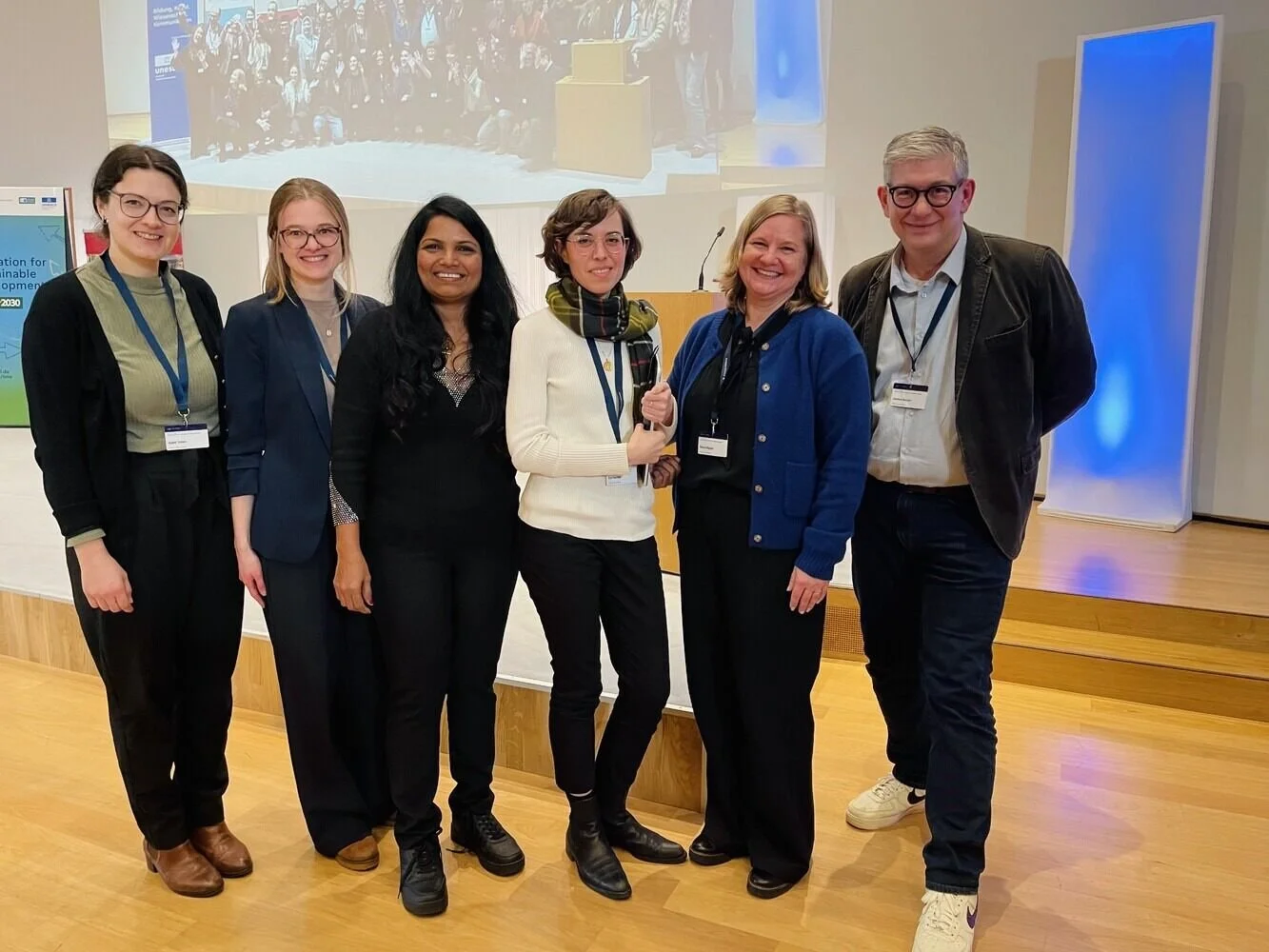
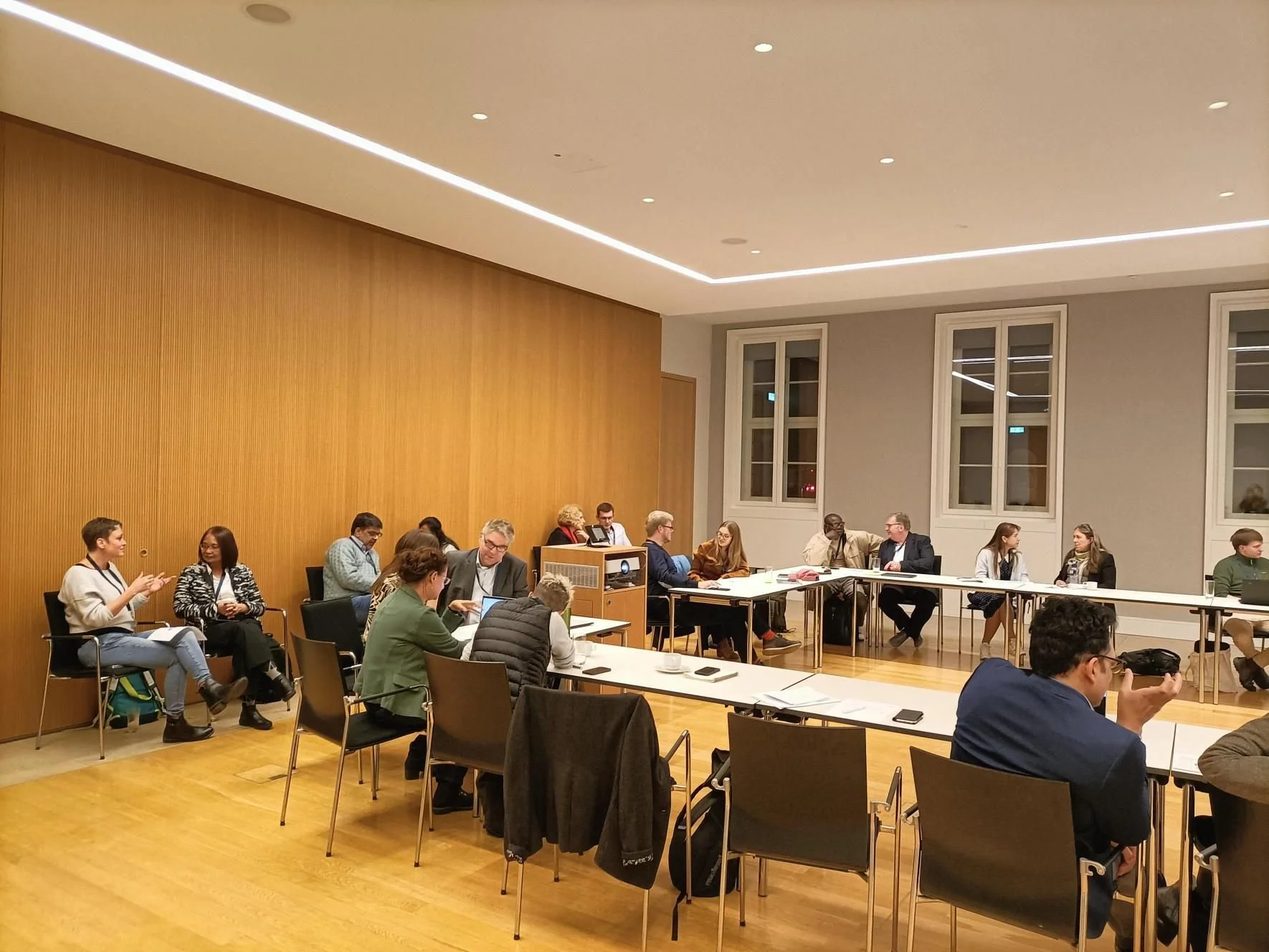
IAU warmly thanks the organisers of this conference, the German Rectors’ Conference (HRK), the German Commission for UNESCO, and the VolkswagenStiftung, for the invitation and providing the space for discussion, and all participants from HE for the inspiring exchanges.