Advancing Women’s Leadership in European Higher Education Amid Rising Geopolitical Tensions
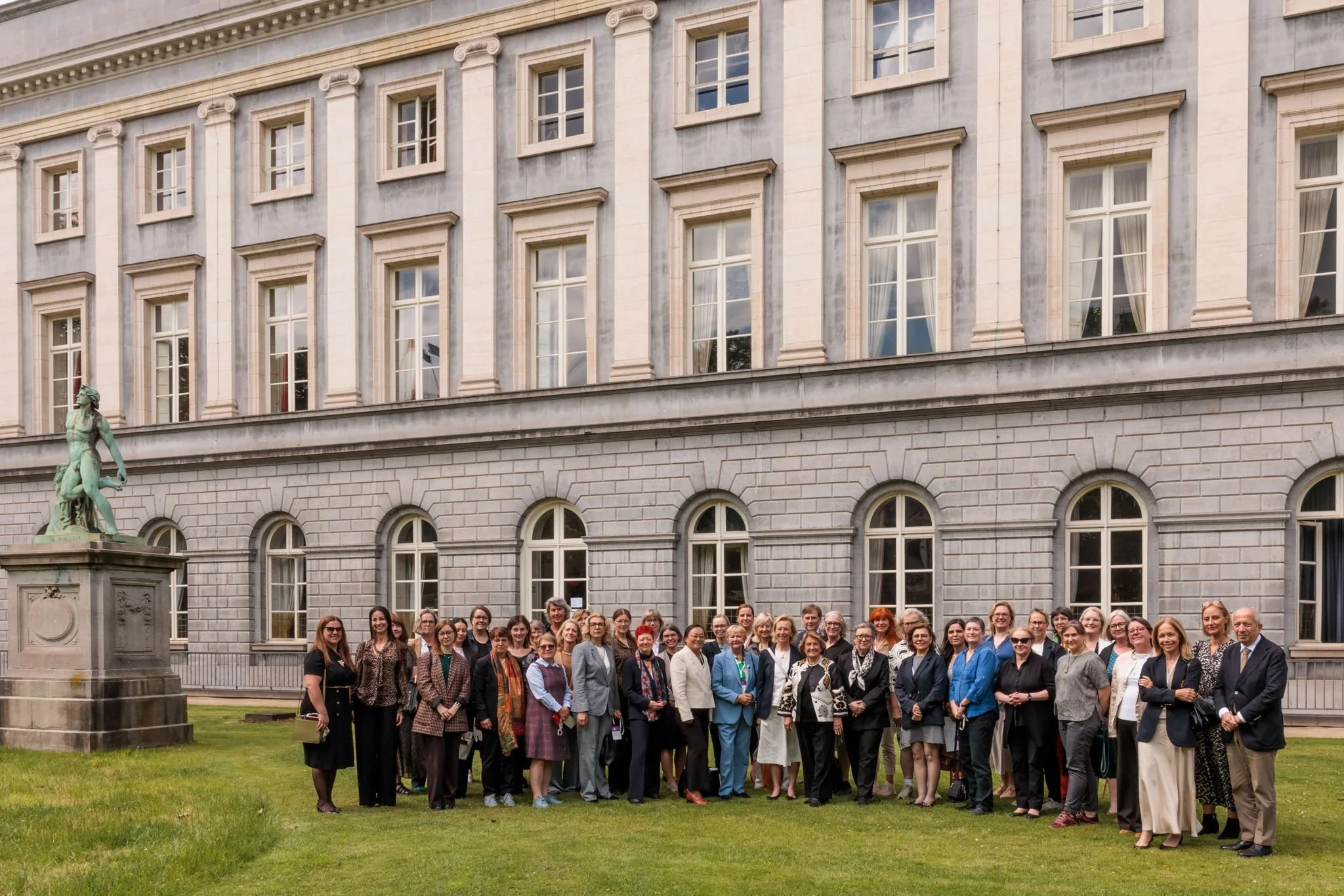
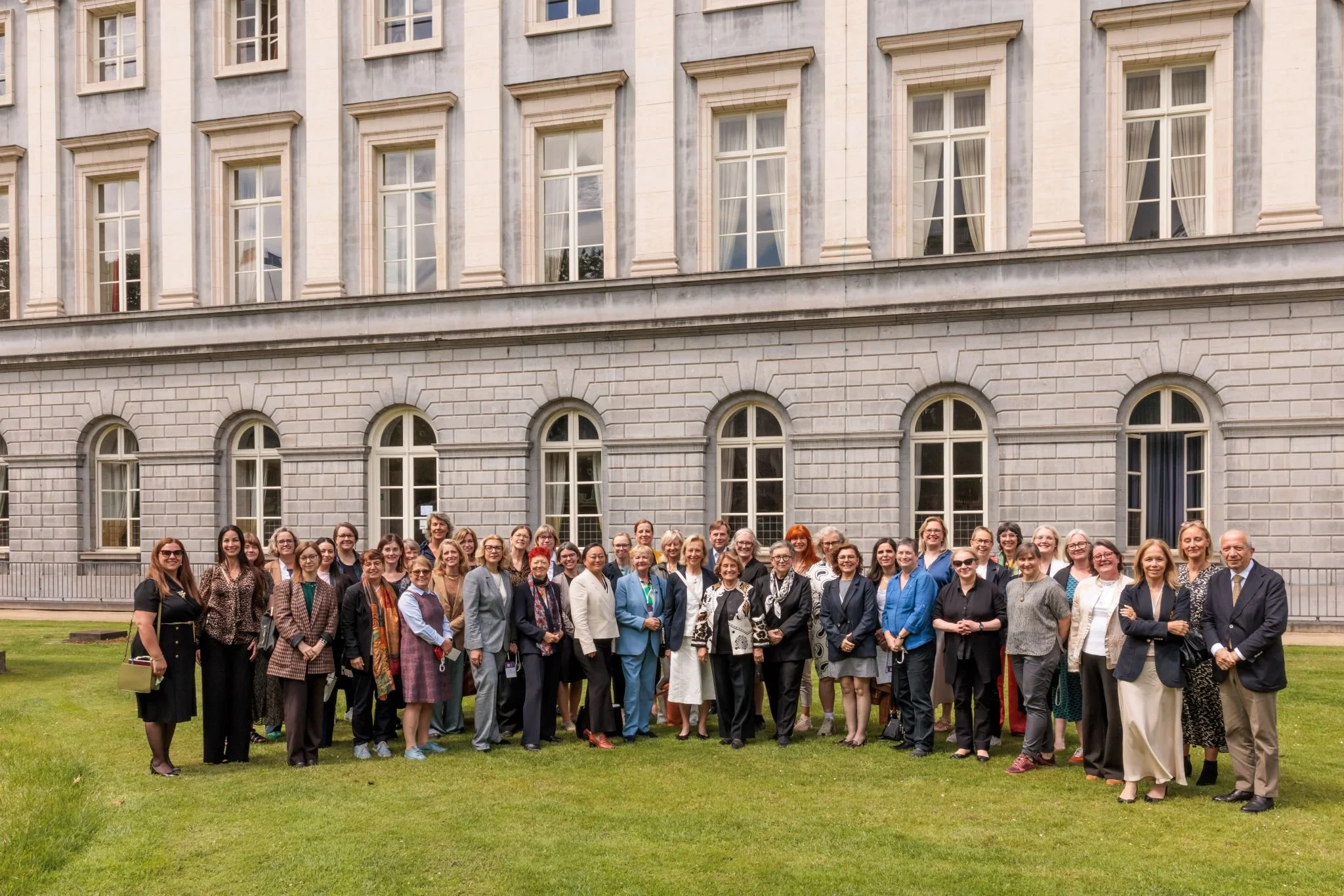
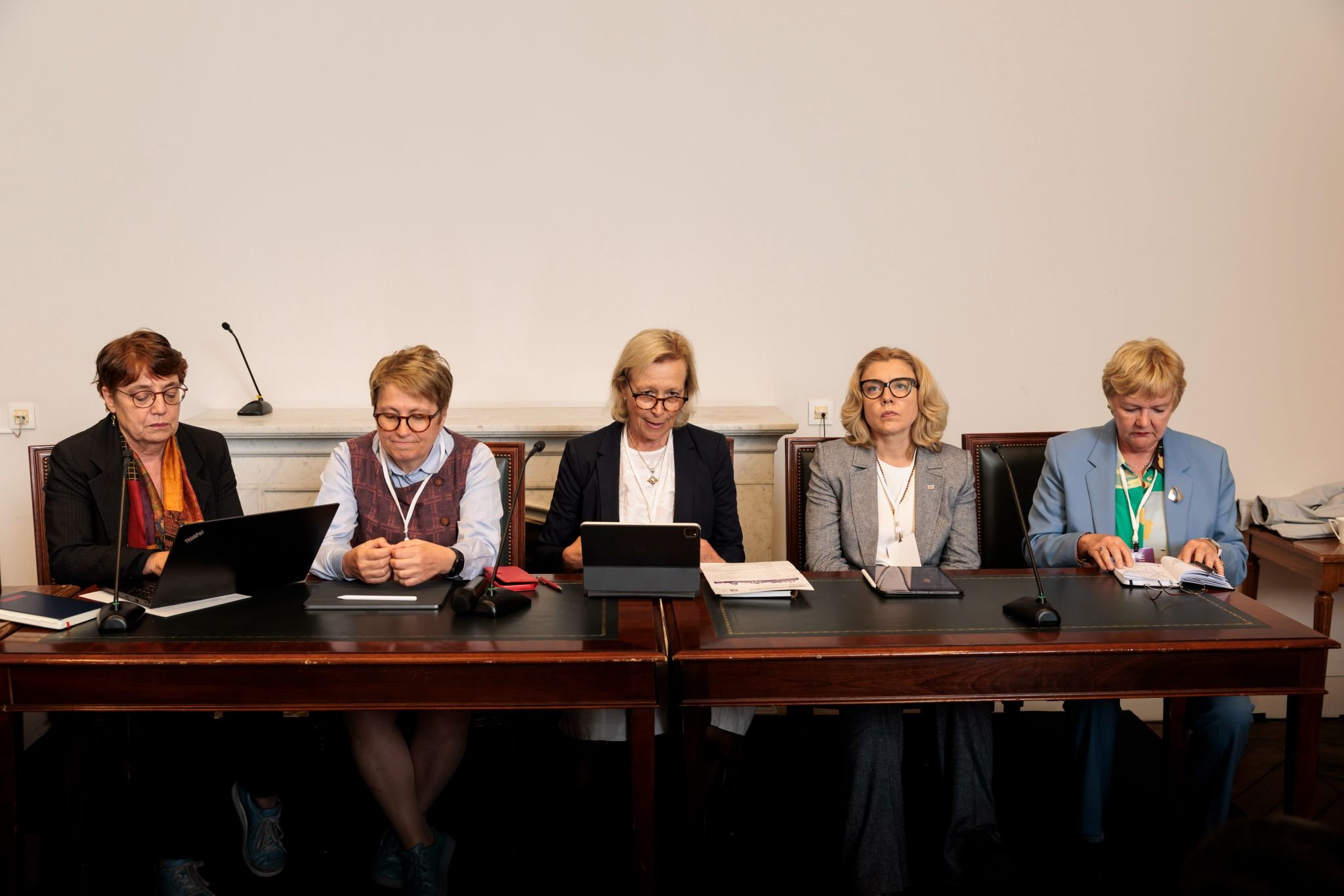
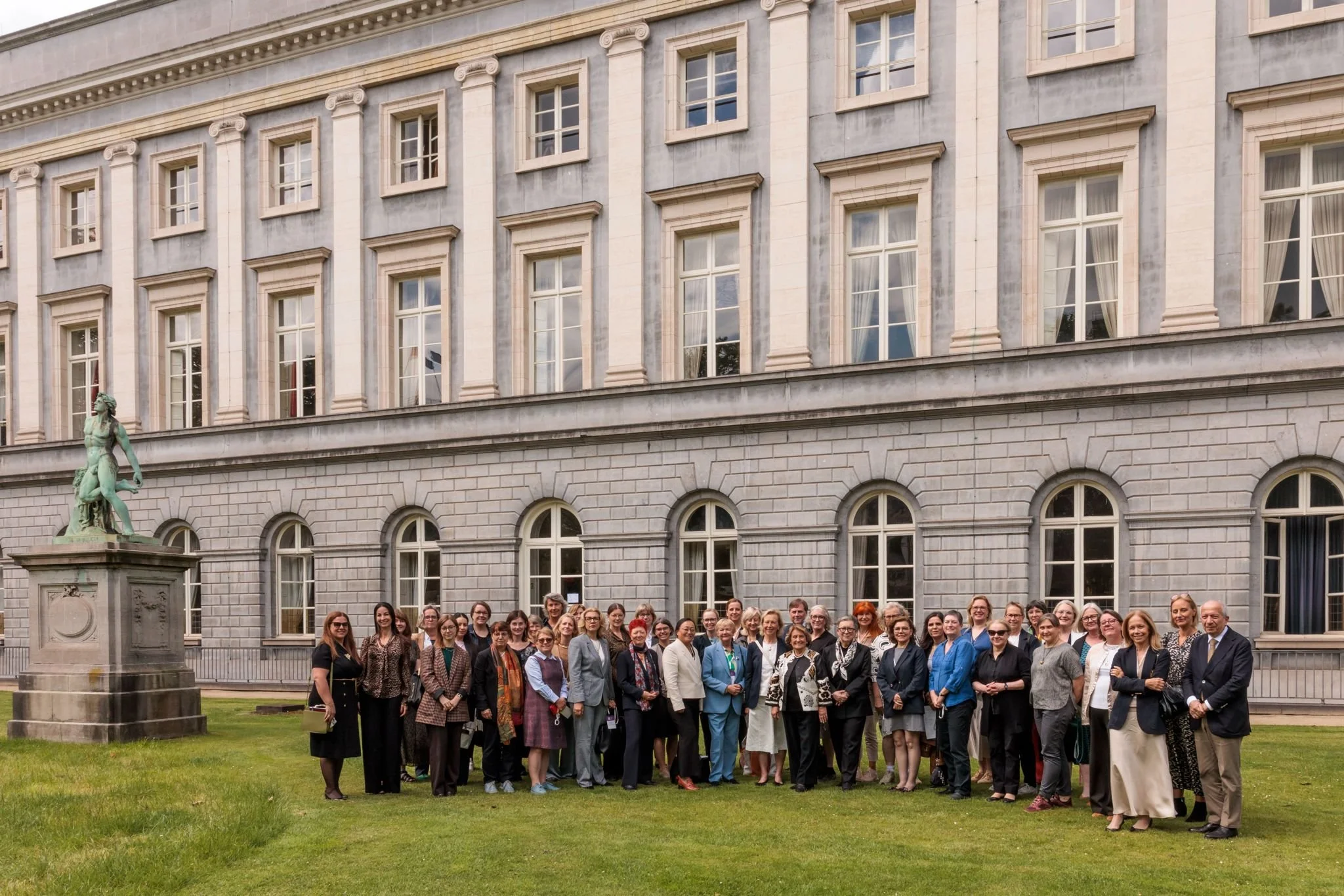
On 10 June 2026, the European Women Rectors Association (EWORA) convened its annual conference in Brussels, bringing together women academic leaders from Europe and beyond under the theme: “Women’s Leadership in Academia in Times of Rising Geopolitical Tensions”. The event provided a critical space to reflect on the role of universities in upholding democracy, academic freedom, and international cooperation—values under pressure in an era of fragmentation and uncertainty.
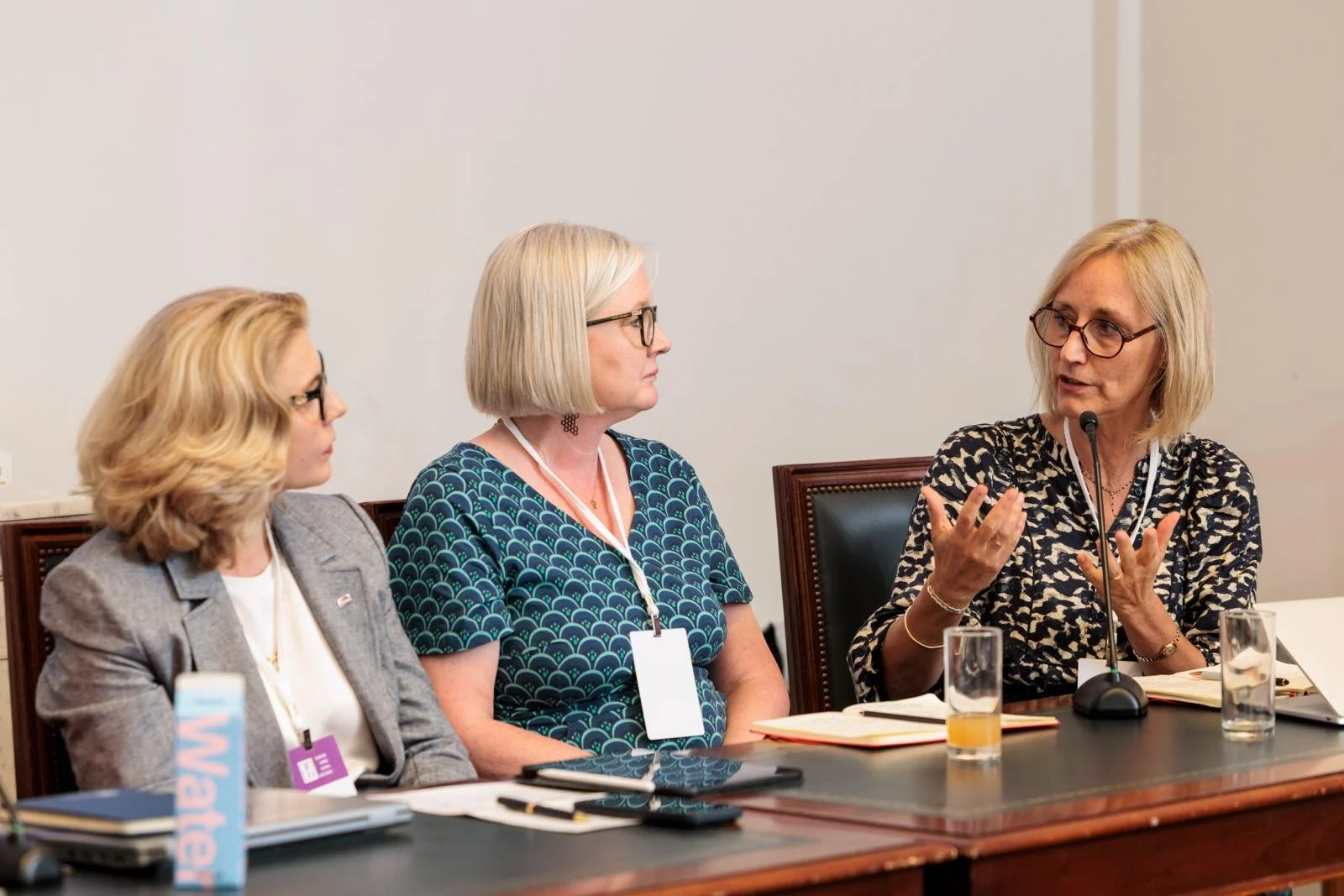
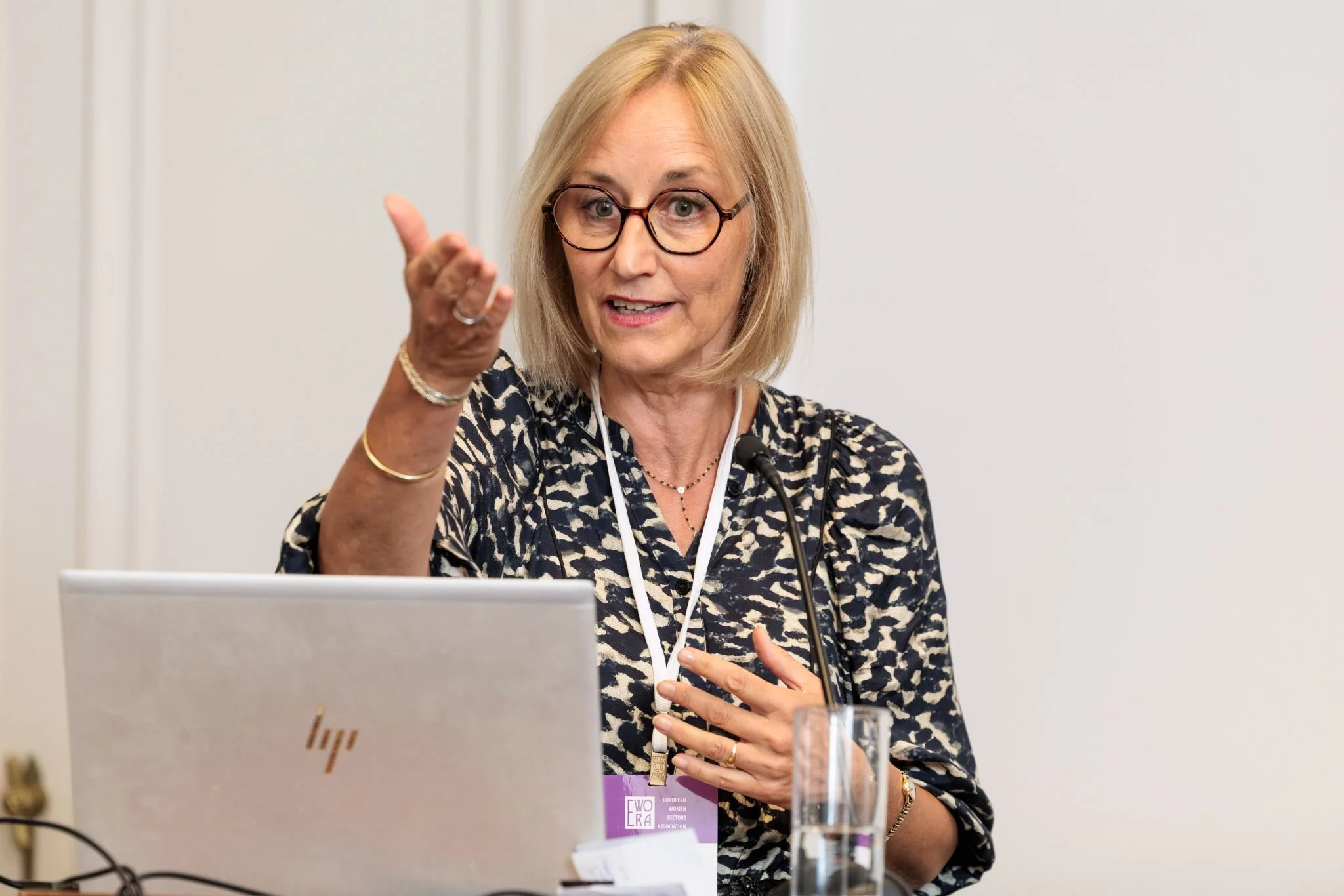
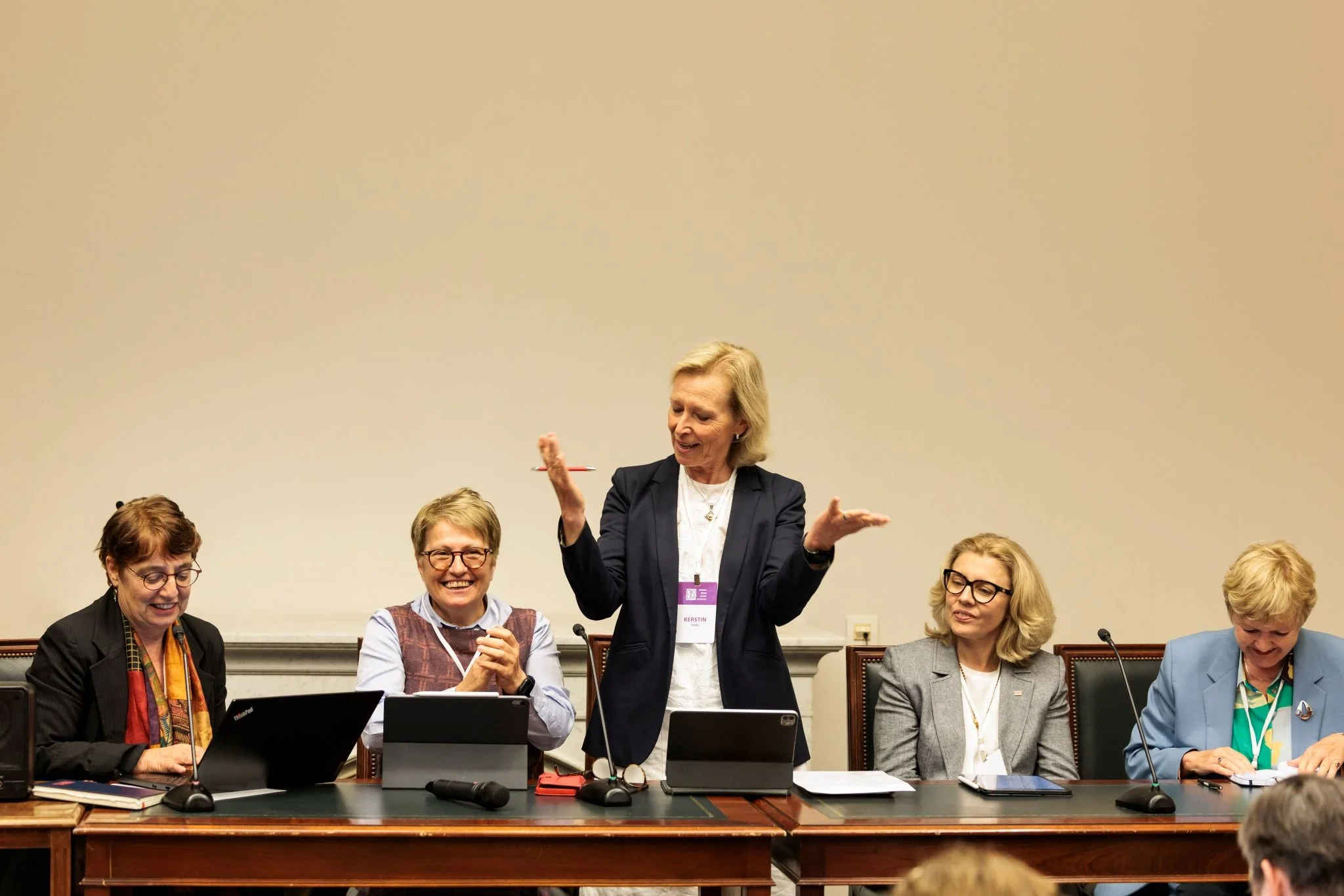
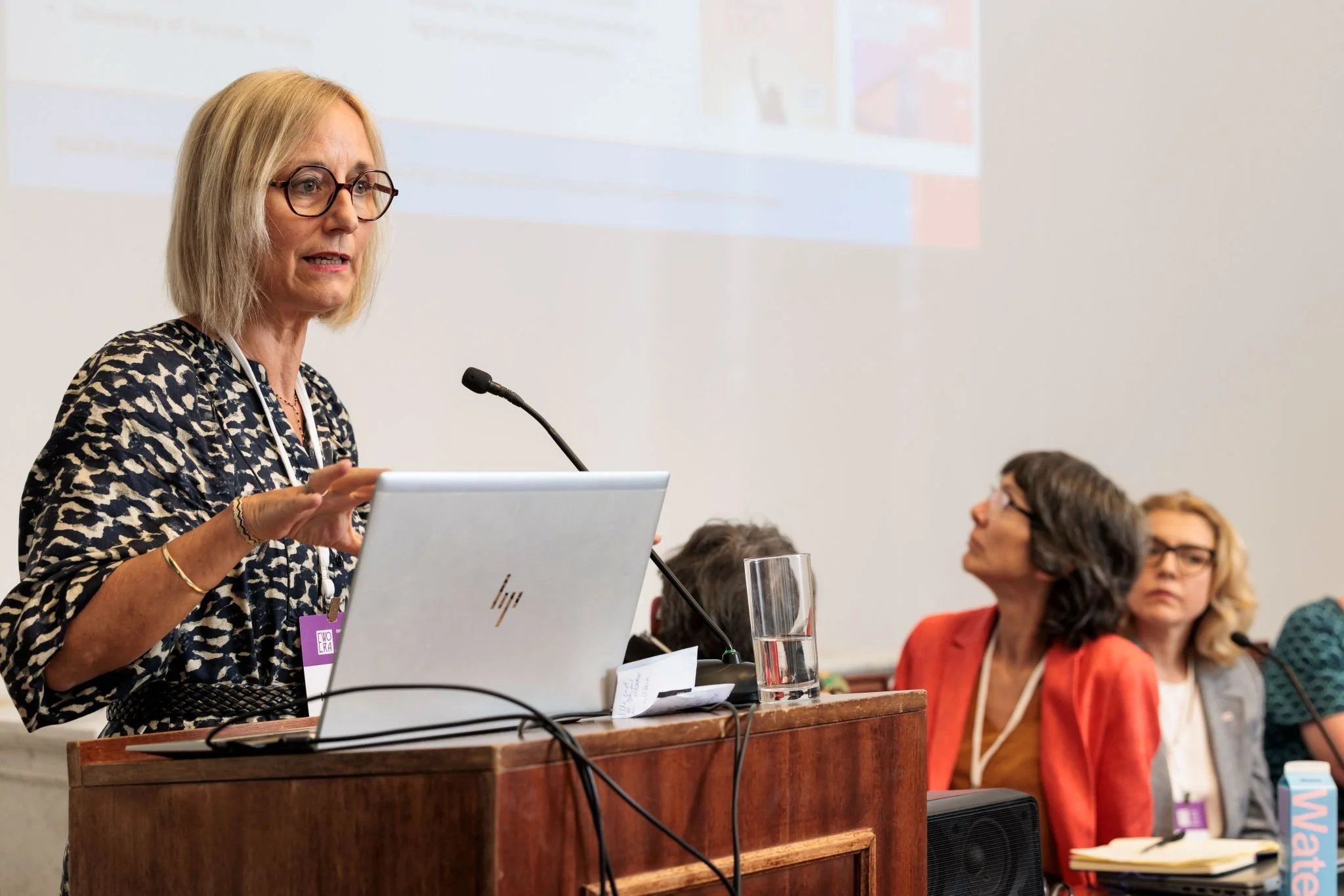
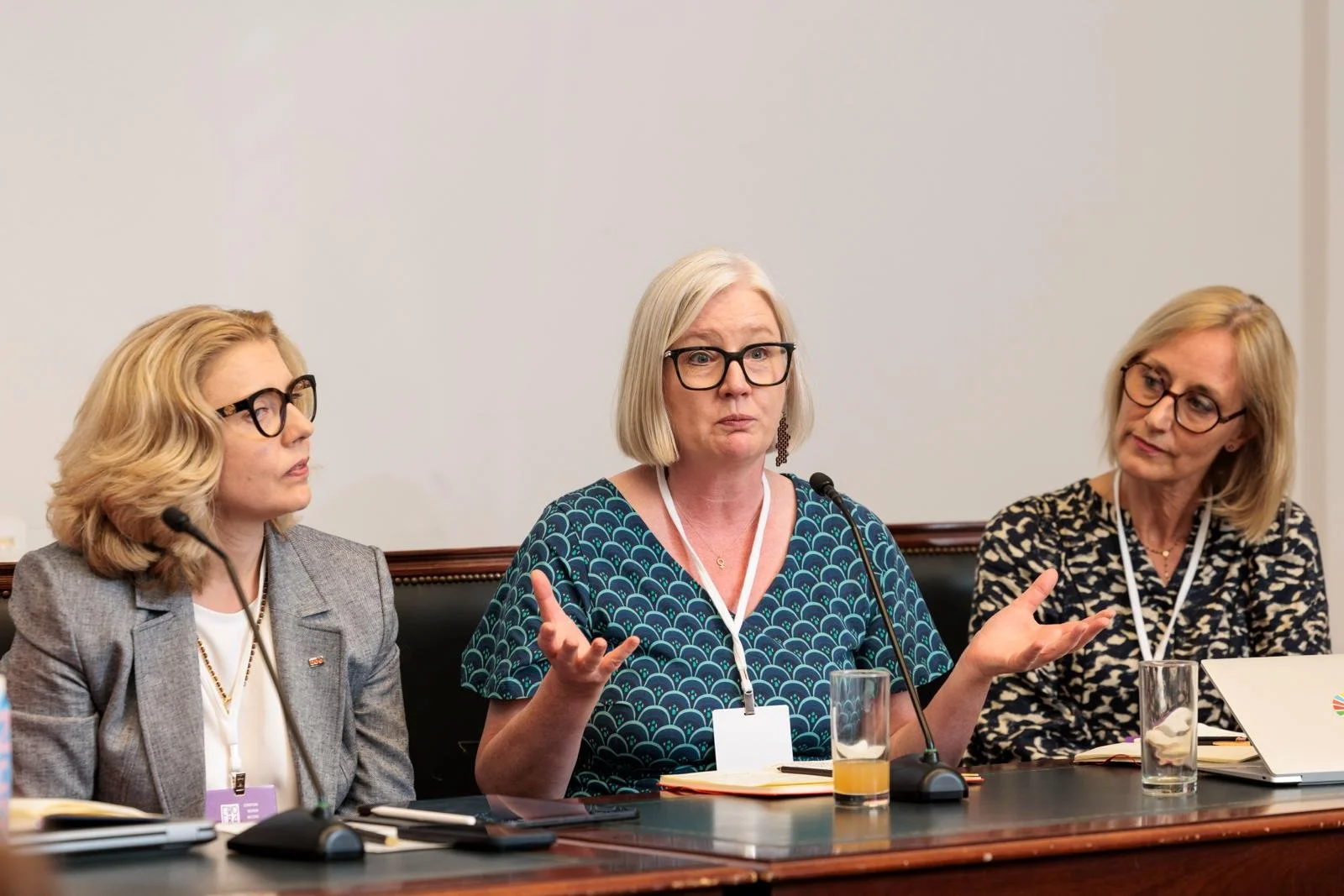
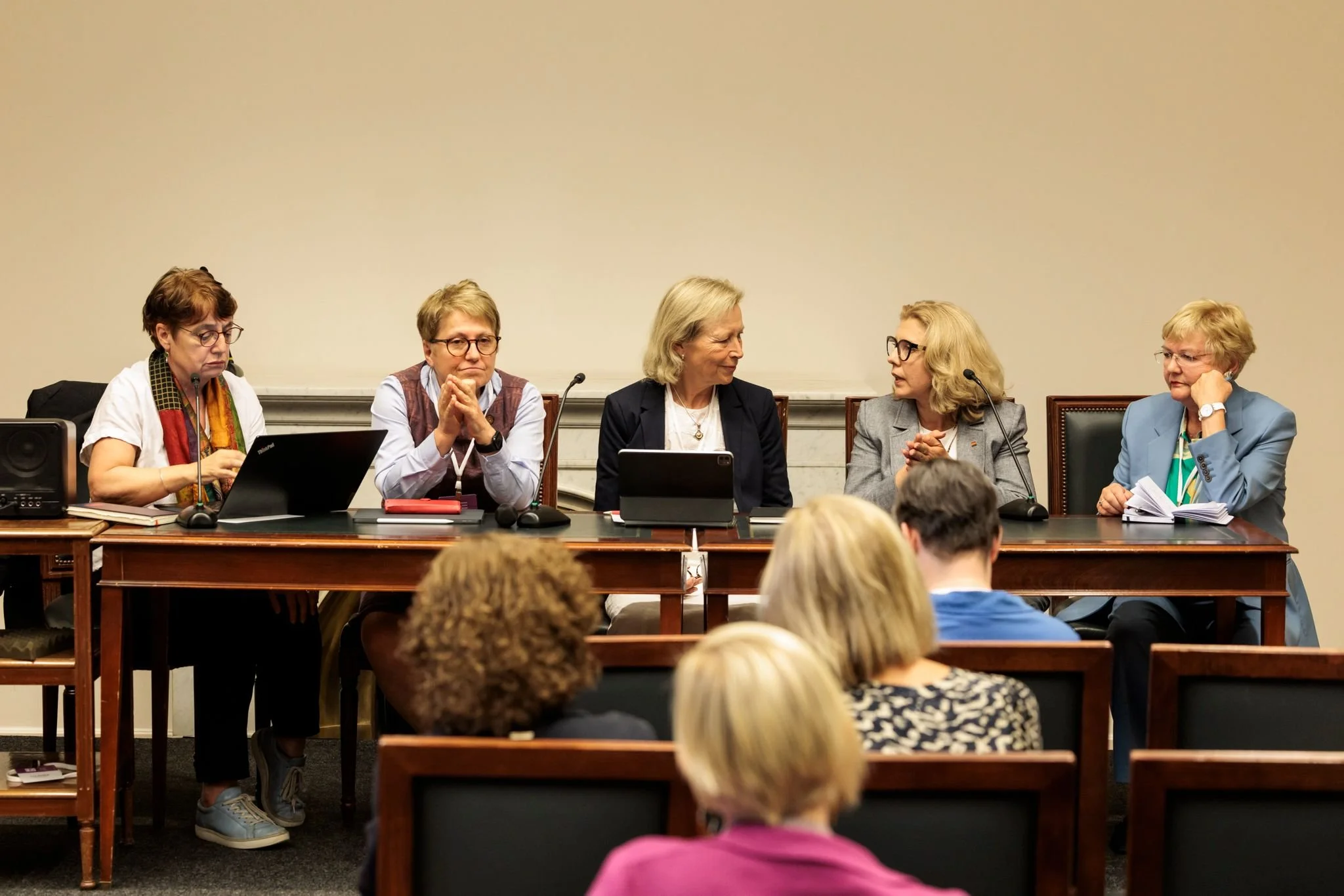
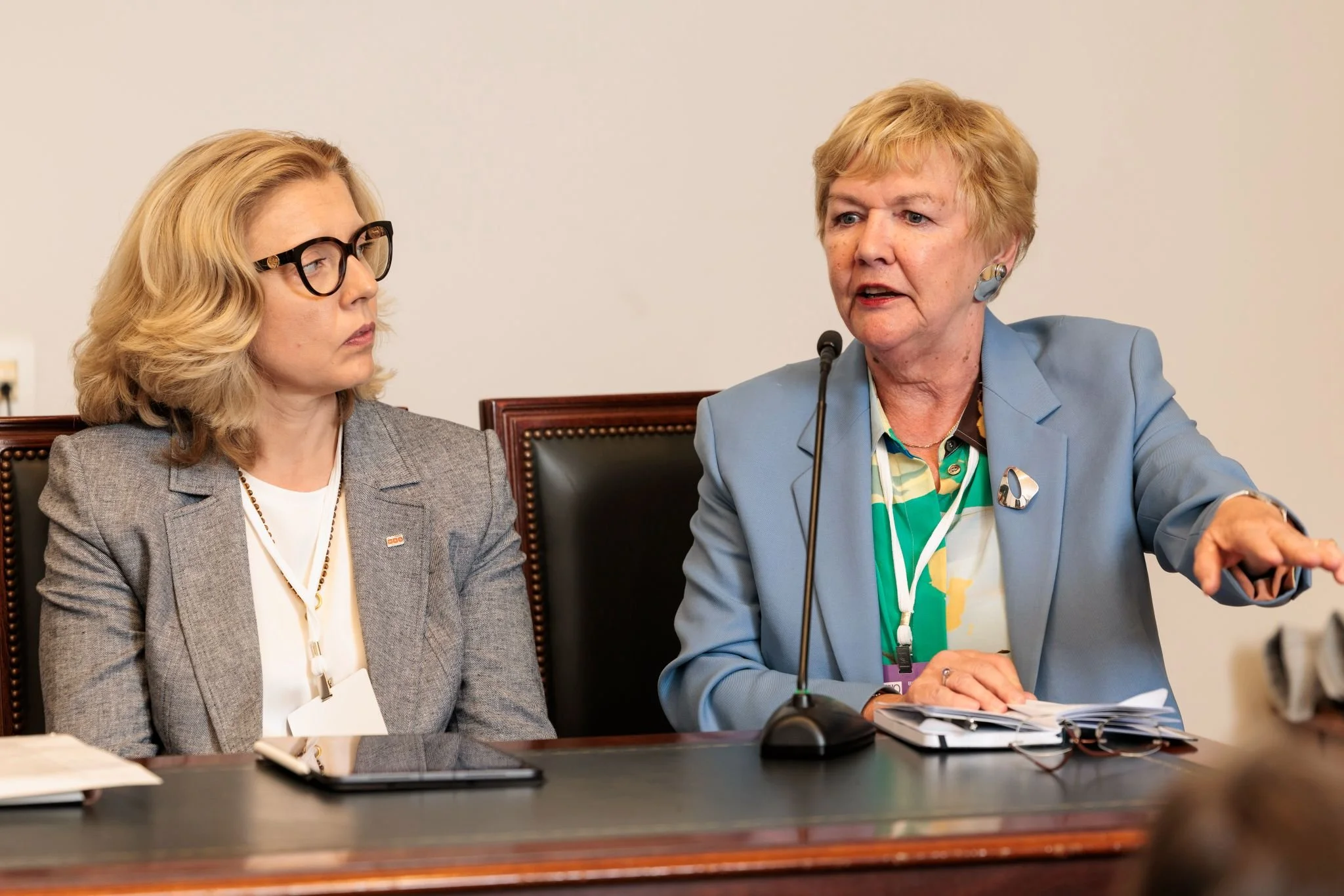
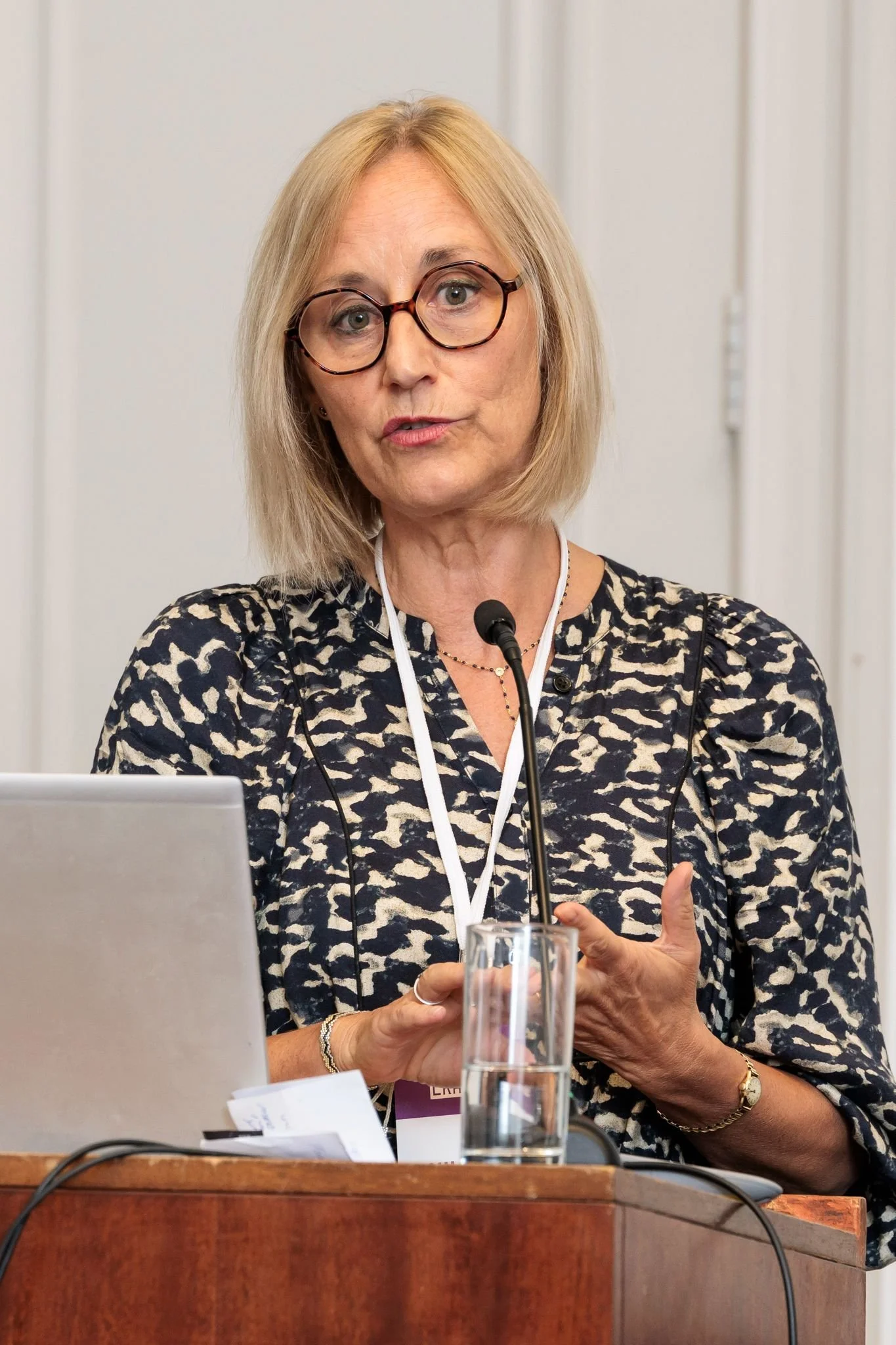
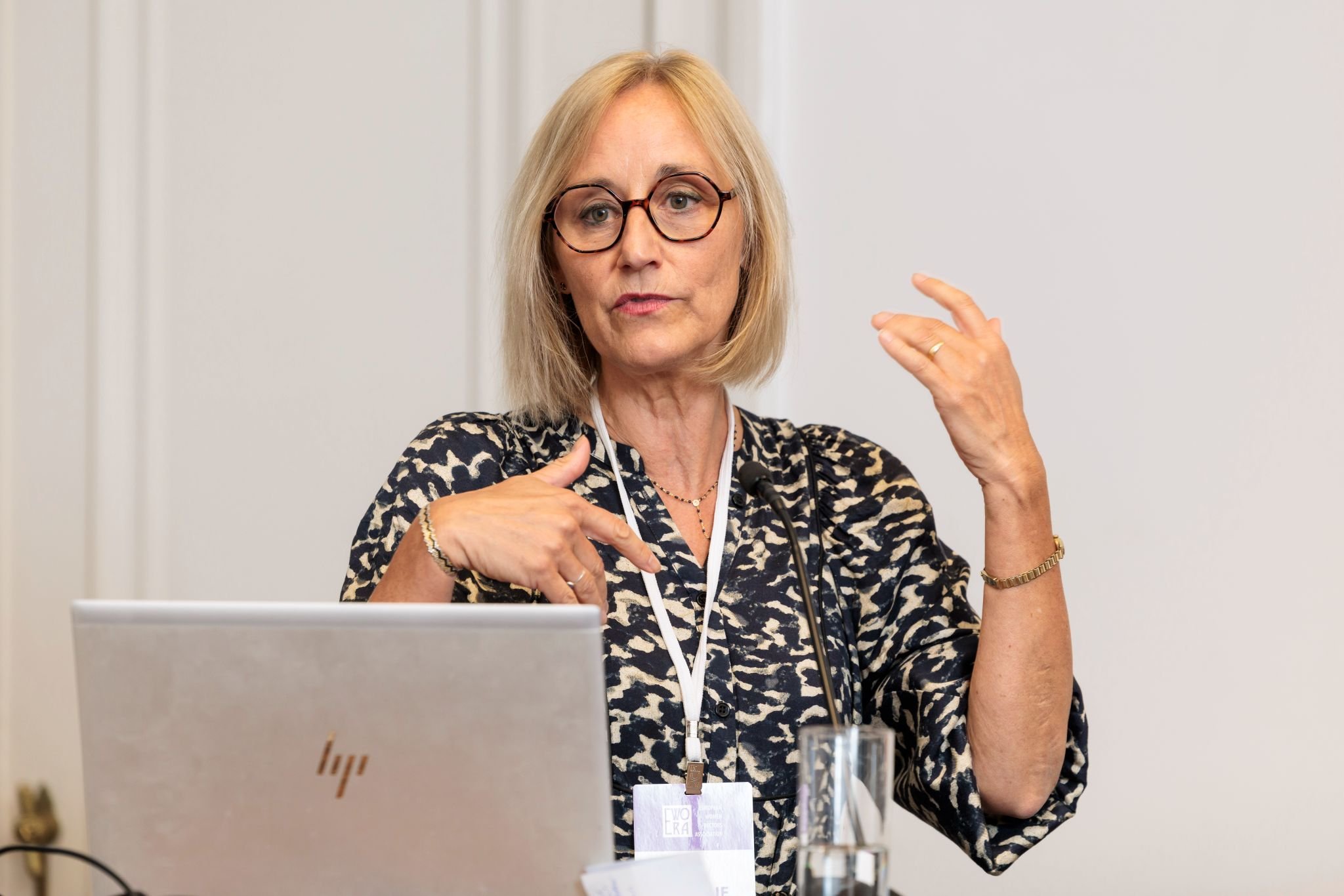
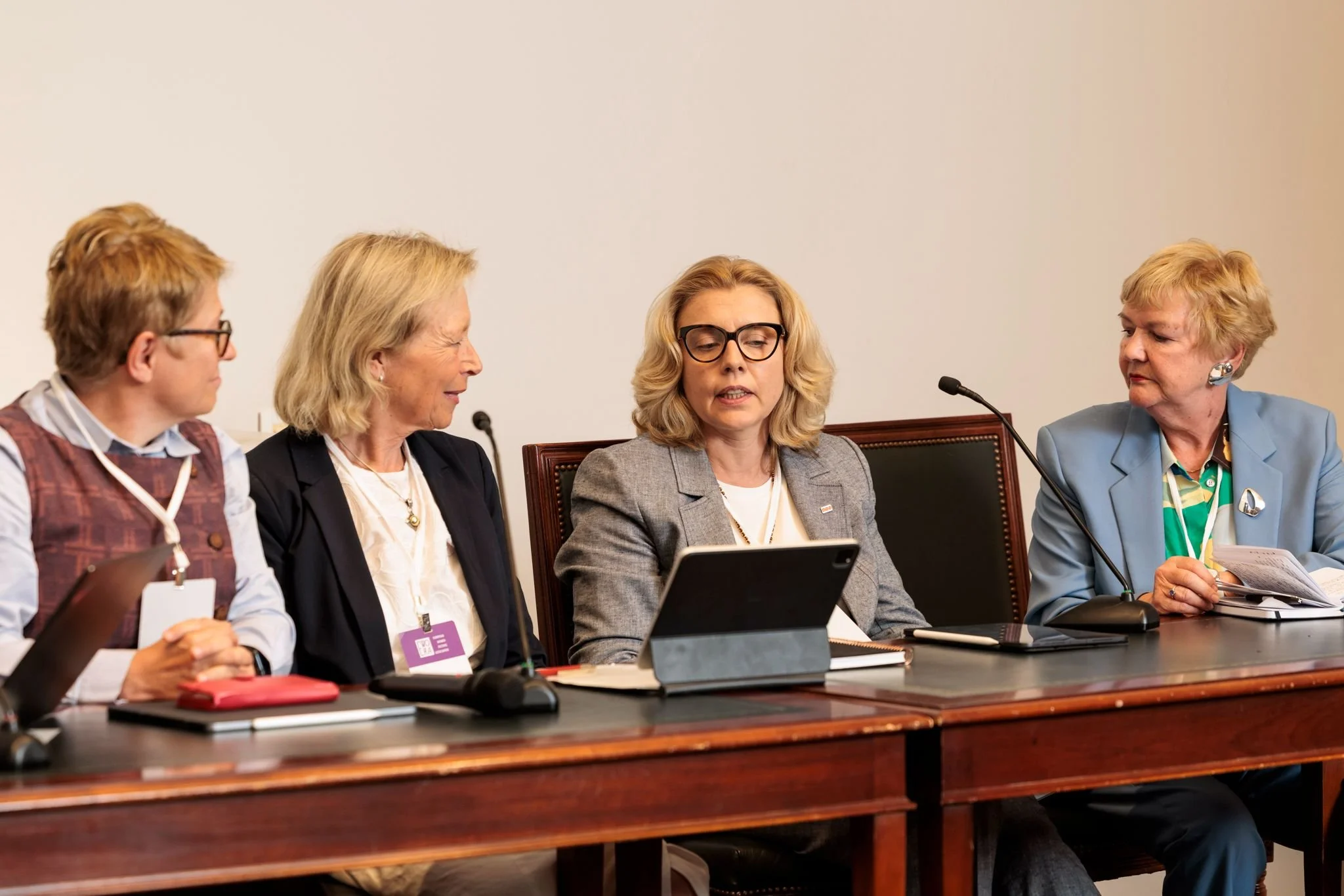
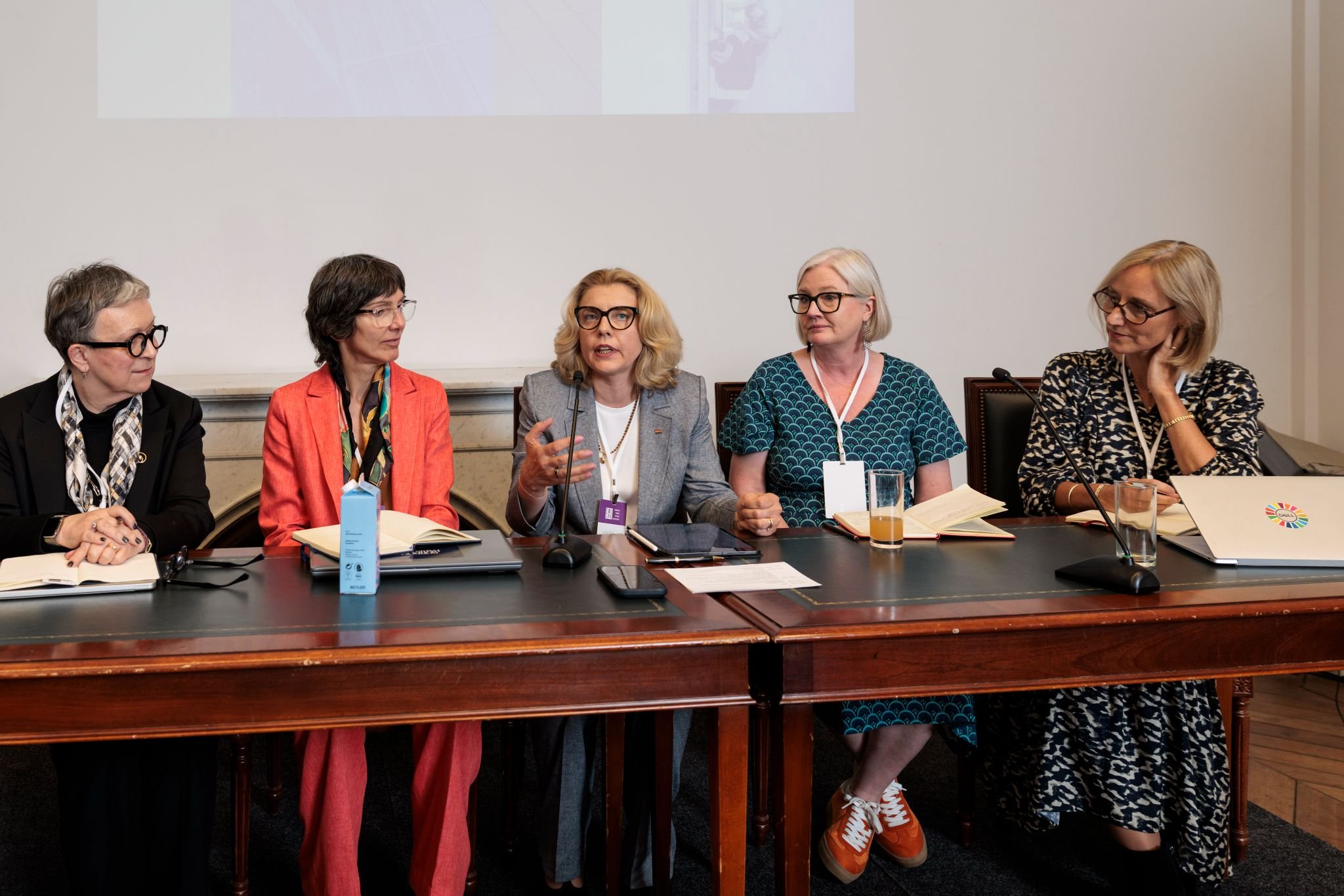
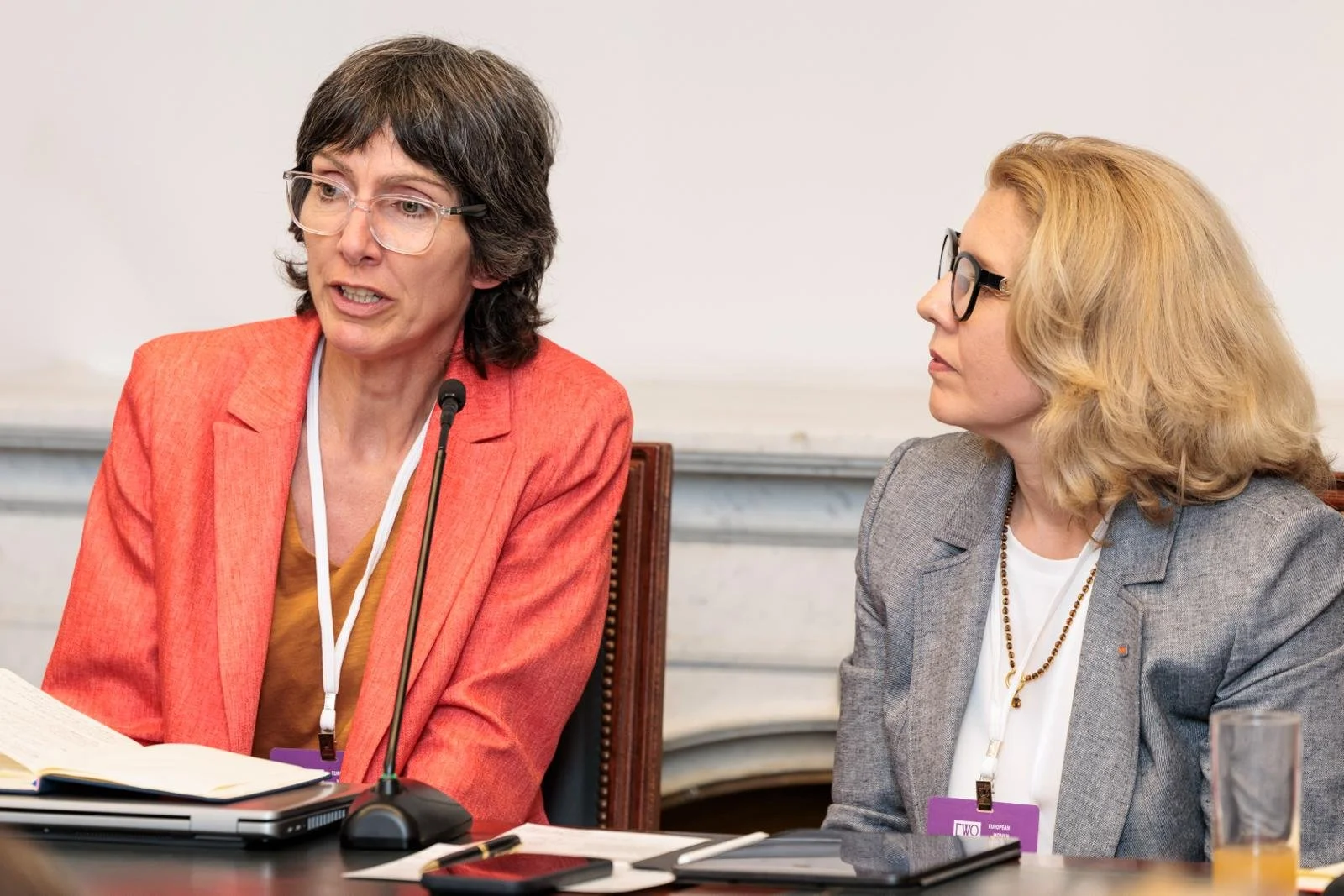
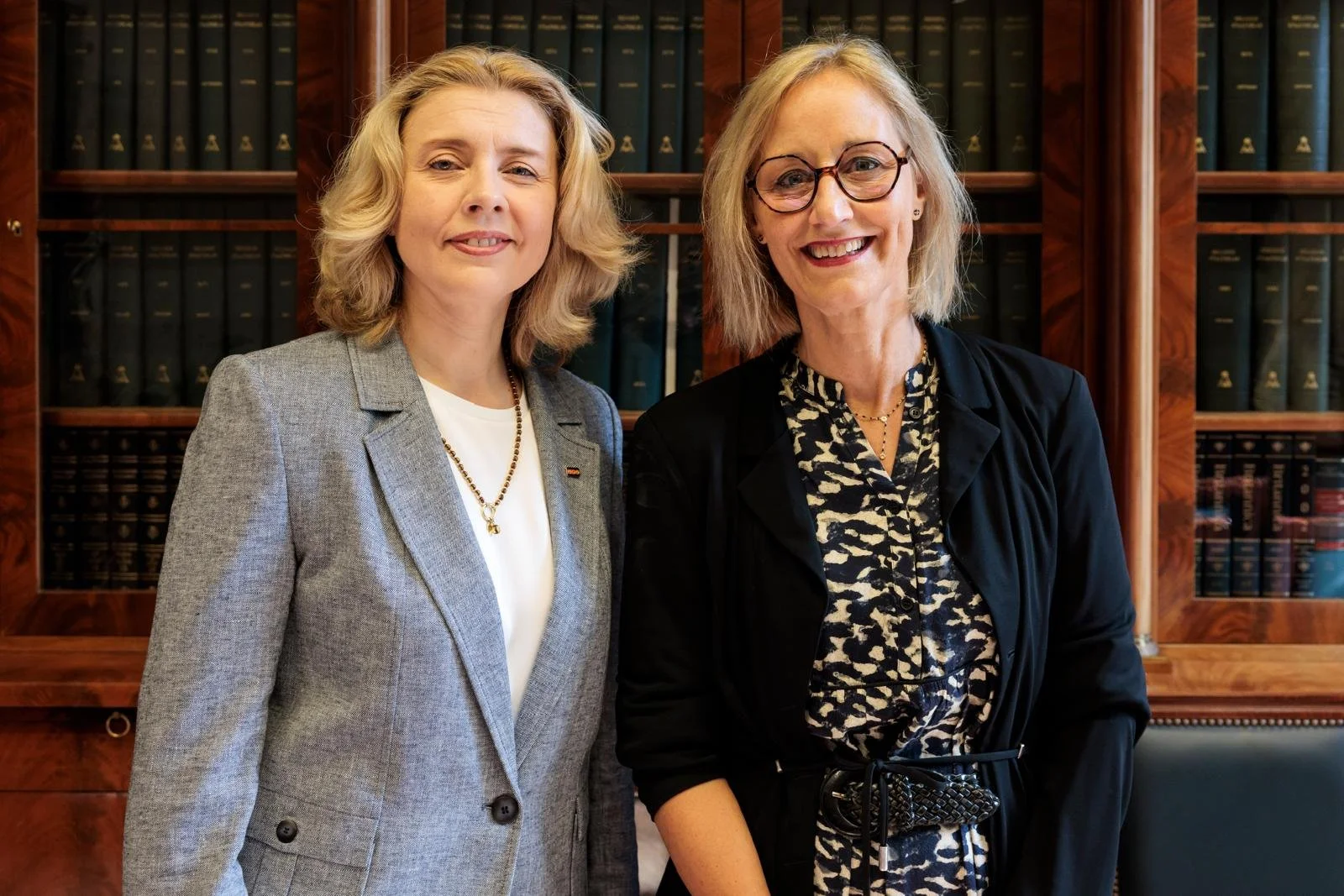
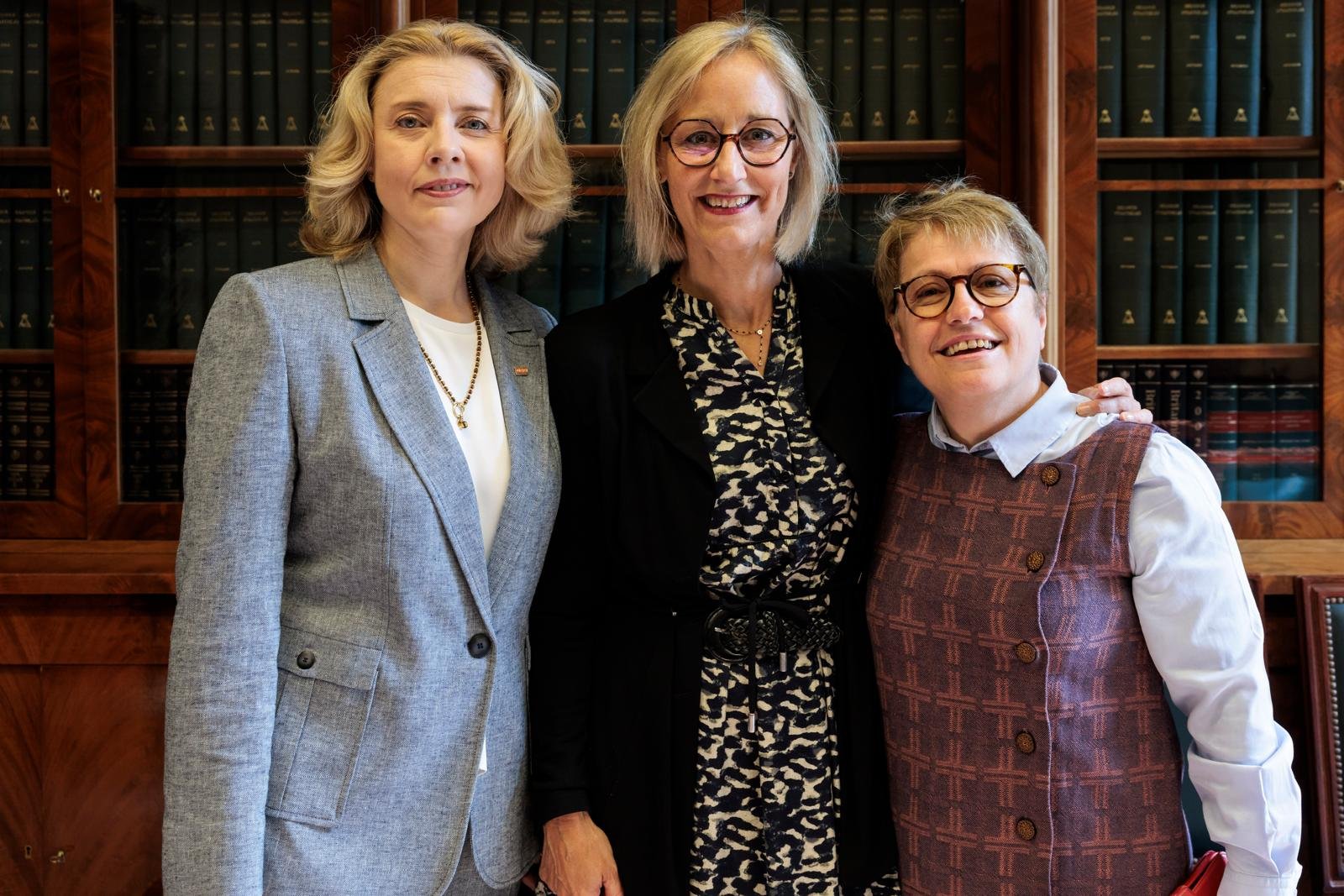
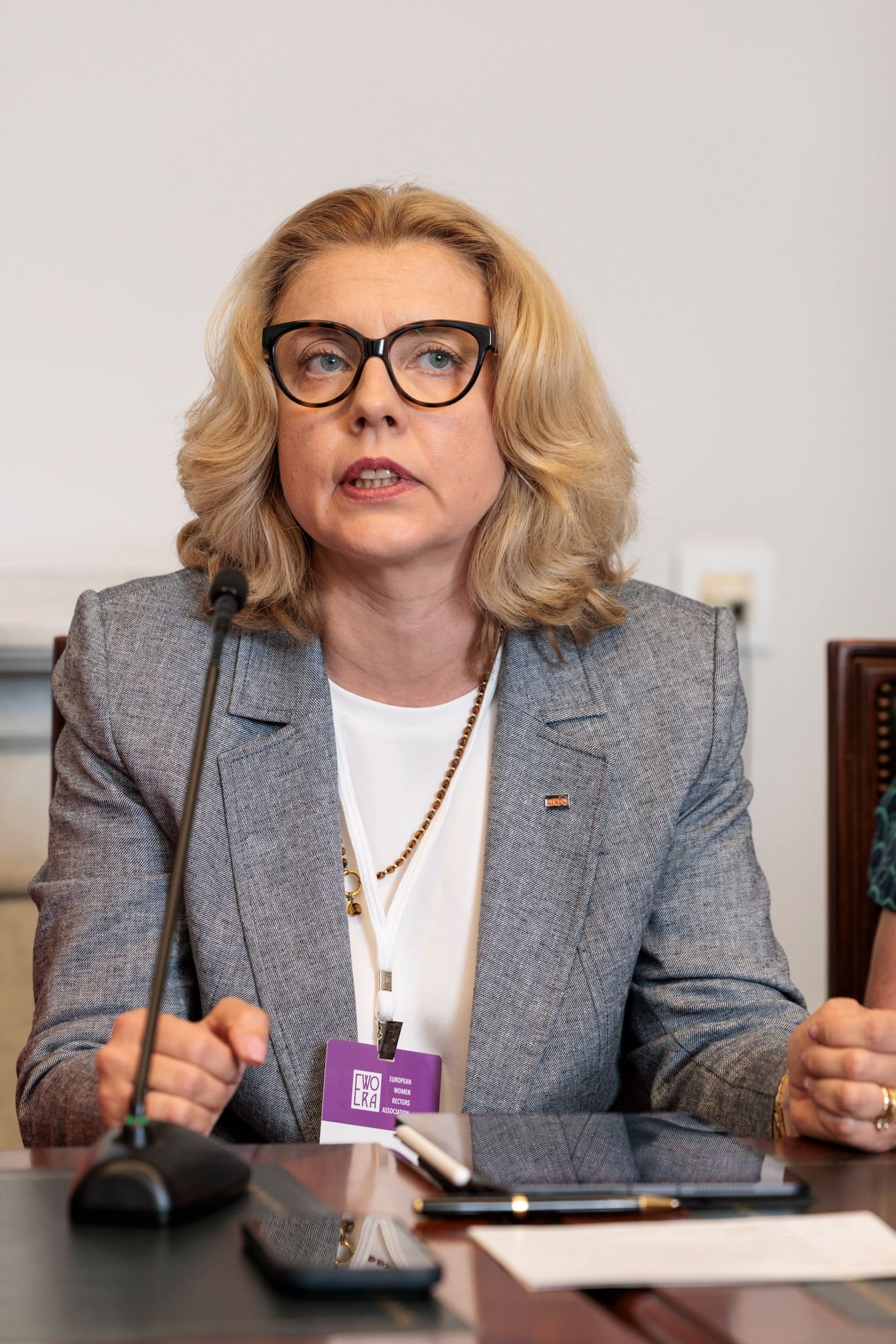
The IAU was pleased to be represented onsite by Secretary General Hilligje van’t Land and Vice President and Board Member Inga Žalėnienė. Together, Hilligje and Inga co-chaired a sesion on “Value Based Leadership and Global Responsibility.” As two key leaders of an association with a thematic focus on value-based leadership, Hilligje and Inga are uniquely positioned to speak on this topic. At the IAU, we believe that it is essential that higher education institutions fully contribute to the development of sustainable and democratic societies by ensuring fair, equitable, and inclusive access to education. Hilligje and Inga’s session at the EWORA conference echoed this sentiment and underscored a conviction shared by the IAU and EWROA alike: academic leadership must be courageous, ethical, and unapologetically values-driven, anchored in principles of inclusivity, diversity, and democracy.
Reflections and Key Takeaways
The Fragility—and Urgency—of Progress
While women’s representation in higher education leadership has grown, the gains remain fragile and reversible, particularly in times of crisis. Carlien Scheele, Director of the European Institute for Gender Equality (EIGE), warned of a slowdown in gender parity progress and the risk of backsliding. Yet, she emphasized that closing gender gaps could generate 1 million new jobs annually—a reminder that leaving talent behind is a luxury no society can afford. Scheele also highlighted the EU Gender Equality Strategy 2026–2030, stressing the need for political will at institutional and governance levels to sustain momentum.
“To reduce gender gaps is estimated to generate 1 million new jobs a year. Today, we cannot afford to leave talent behind.”
Inseparable: Democracy and Gender Equality
Annick Castiaux, Rector of the Université de Namur, framed democracy as a delicate yet essential construct that demands active protection. Lina Gálvez Muñoz, Chair of the FEMM Committee (European Parliament), linked attacks on women’s rights to attacks on democracy itself, noting a global retreat on democracy tied to gender backlash. Both leaders stressed that compromising on gender equality in leadership risks steering societies in the wrong direction.
Reimagining Research Assessment
A recurring theme was the need to revise research assessment processes to better recognize diverse contributions. COARA (Coalition for Advancing Research Assessment) was cited as a model for alternative, impact-focused approaches that align with the conference’s call for gender-inclusive, values-led leadership in academia.
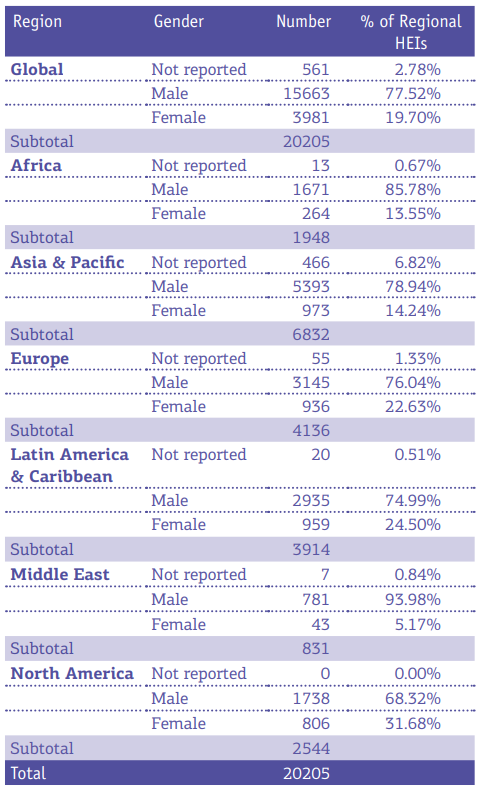
Data from the World Higher Education Database, 2025.
Data, Global Perspectives, and Action
Contributing on behalf of the IAU, Hilligje presented the data drawn from World Higher Education Database (WHED). In particular, she shared WHED data on gender representation in higher education leadership around the world.*
Globally, only 19.78% of higher education leaders are female, while 77.52% are male. The disparities are even starker at the regional level; in Africa, nearly 86% of institution leaders are male, and in the Middle East only 5.17% of HEI leaders are female. Notably, there are several outliers to the broad trends of gender distribution seen around the world. For example, Iceland stands out, with 11 women rectors leading all 11 Icelandic universities.
Commitment to SDG 5: Gender Equality
Under the thematic priority area on Higher Education and Research for Sustainable Development (HESD), the IAU Cluster on HESD promotes the role of higher education institutions in building more sustainable societies. It is a consortium of IAU Member universities from all parts of the world, working in collaboration to develop existing and new exciting initiatives to achieve the Sustainable Development Goals (SDGs). The subcluster on SDG 5: Gender Equality is spearheaded by the University of Bologna, Italy. This subcluster brings together higher education institutions from six continents to work together in contribution to SDG 5. As highlighted in the 2024-2025 Cluster Report, the subcluster is:
•Advancing gender equality through institutional policies, research, training, and awareness-raising activities across partner universities.
•Strengthening collaboration among cluster Members, led by the University of Bologna, through the exchange of good practices and the promotion of Gender Equality Plans.
•Supporting women’s empowerment, inclusive leadership, gender-based violence prevention, diversity and inclusion initiatives, and equal opportunities in higher education communities.
Looking Forward
The EWORA 2026 Conference reaffirmed that women’s leadership in academia is not just a matter of equity—it is a necessity for innovation, democracy, and the future of higher education. The IAU remains committed to amplifying these voices, sharing data-driven insights, and fostering global collaboration to ensure that no talent is left behind. Moreover, we look forward to continuing to work with EWORA in our future endeavors to strengthen gender equality throughout higher education leadership and practices.
*Please note: WHED data is not necessarily self-reported by institutions or the individuals reflected in these statistics. Learn more about WHED data sourcing here.