University Leadership in Context: Reflections from the IAU–UNESCO Campus Africa Leadership Lab
From 5-9 December 2025, the IAU - UNESCO CFIT III - Campus Africa Leadership Lab brought together university leaders from across Africa for an intensive programme dedicated to strengthening institutional leadership in a rapidly changing higher education landscape. Organised under UNESCO’s Campus Africa Flagship Programme and implemented by the International Association of Universities (IAU), the Campus Africa Leadership Lab offered a structured yet highly interactive space to reflect on the managerial, ethical, political, and financial challenges confronting universities today.
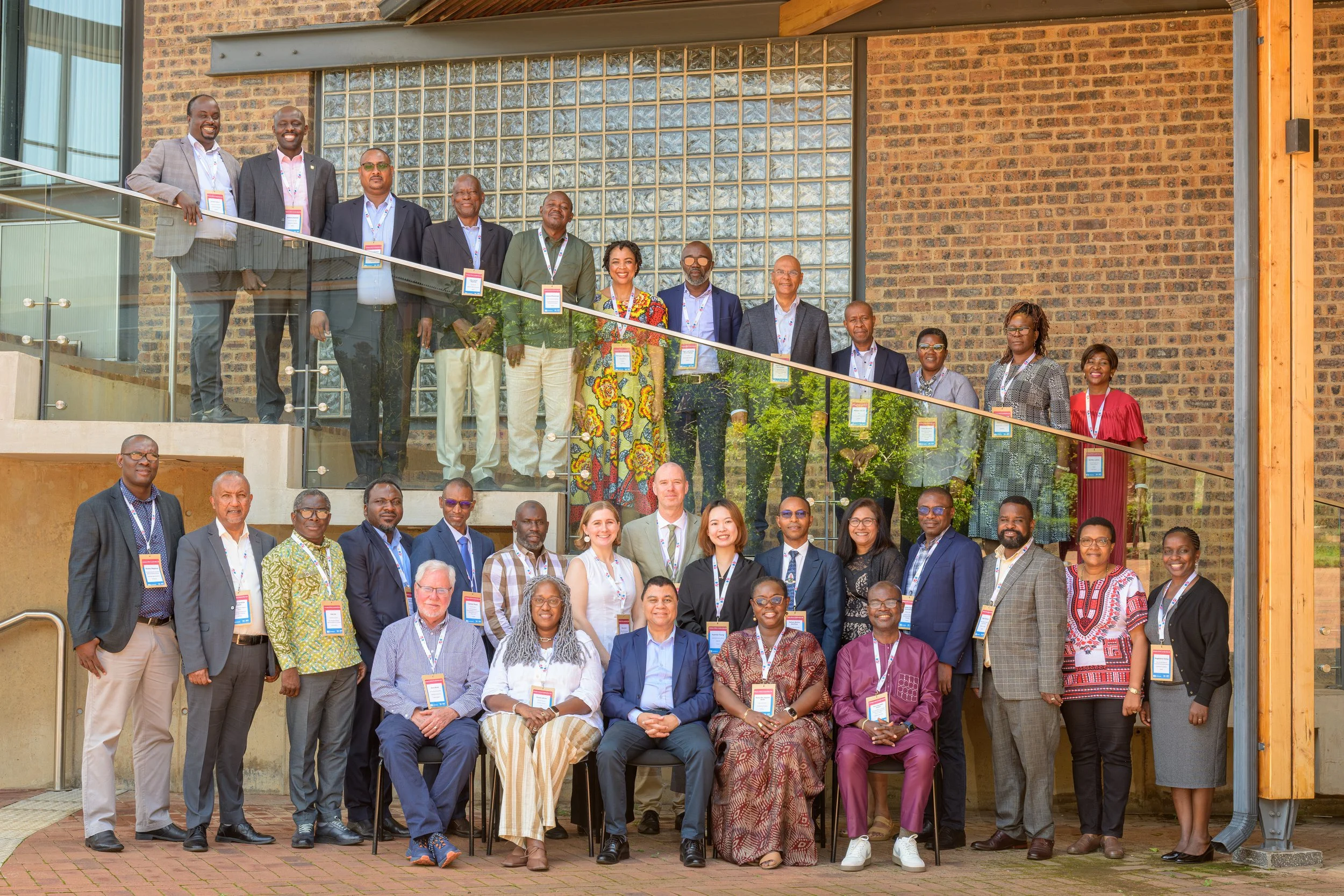
Programme facilitators, participants, and coordinators | 8 December 2025
Through 11 carefully curated sessions led by eminent university presidents and vice chancellors, participants engaged with core dimensions of university leadership—from strategic planning and governance to digital transformation, crisis management, and societal engagement. Beyond formal learning, the programme fostered a vibrant peer-learning environment, enabling participants to build networks and exchange experiences that will continue to shape their leadership practice well beyond the Lab.
Leadership in Conversation
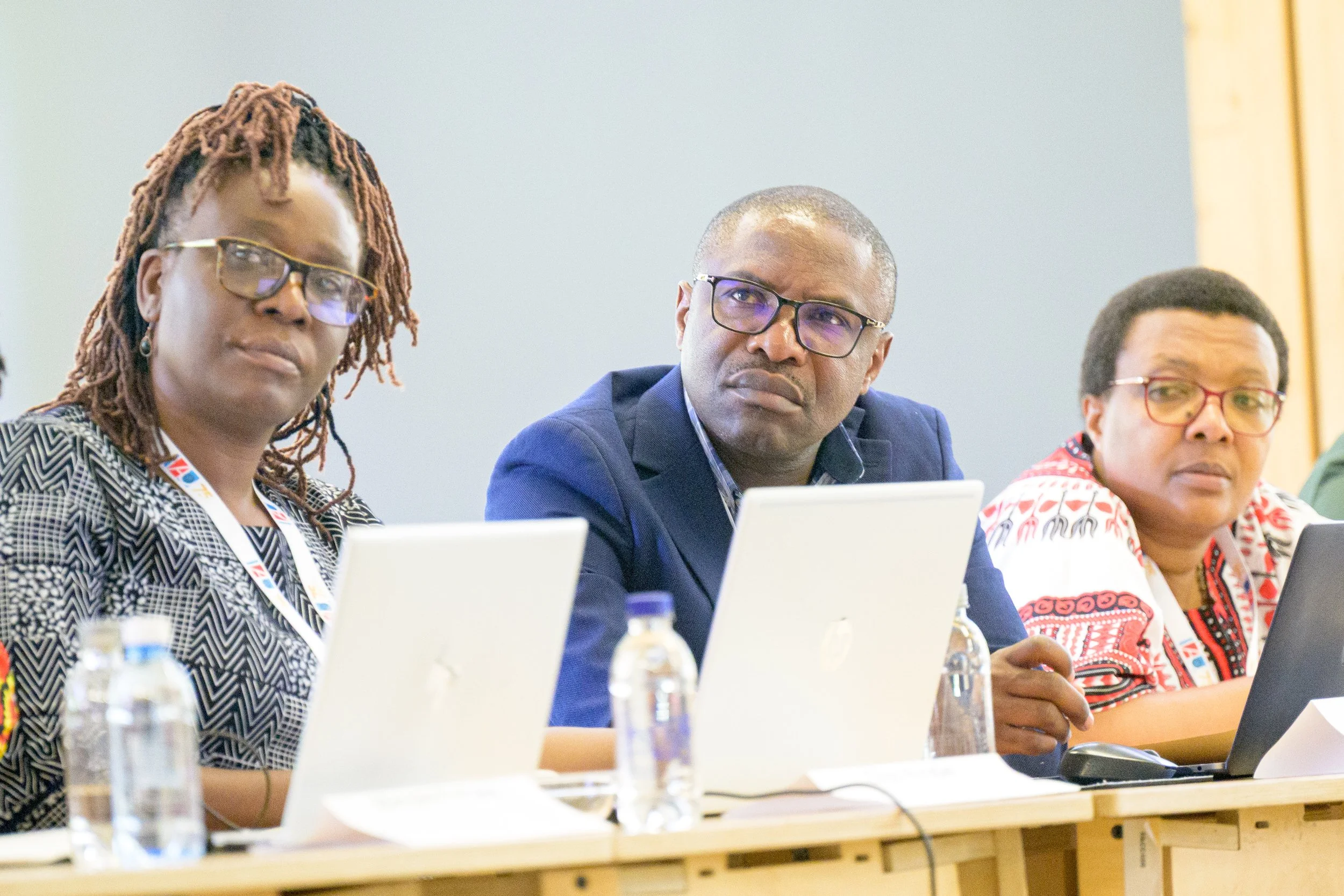
Rather than approaching leadership as a set of distinct competencies, the Campus Africa Leadership Lab was deliberately designed as a connected learning journey—one in which questions of mission, strategy, people, governance, finance, partnerships, and technology were constantly in dialogue with one another. This integrated, bootcamp-style format engaged with lived reality of university leadership, where decisions are rarely siloed and trade-offs are unavoidable.
At the heart of the programme was a shared reframing of the university’s purpose. Former Vice Chancellor of Newcastle University, UK and Stellenbosch University, South Africa Chris Brink’s opening reflections on moving from excellence to societal responsibility set the tone for the Lab, shaping discussions on strategy, governance, fundraising, partnerships, and advocacy. Across sessions, participants repeatedly returned to a central question driving university leadership: how can African universities remain academically rigorous while responding meaningfully to social, economic, and political realities on the continent?
Strategic planning sessions reinforced this point by positioning mission clarity as the connective tissue of institutional leadership. President and Vice-Chancellor of the British University in Egypt Mohamed Loutfi’s emphasis on identity, values, and societal alignment echoed later conversations on revenue diversification and partnerships, where mission-driven leadership emerged as a prerequisite for trust—whether with staff, students, donors, industry, or communities. In this sense, strategy was not treated as an administrative exercise, but as a leadership practice that enables coherence across institutional priorities.
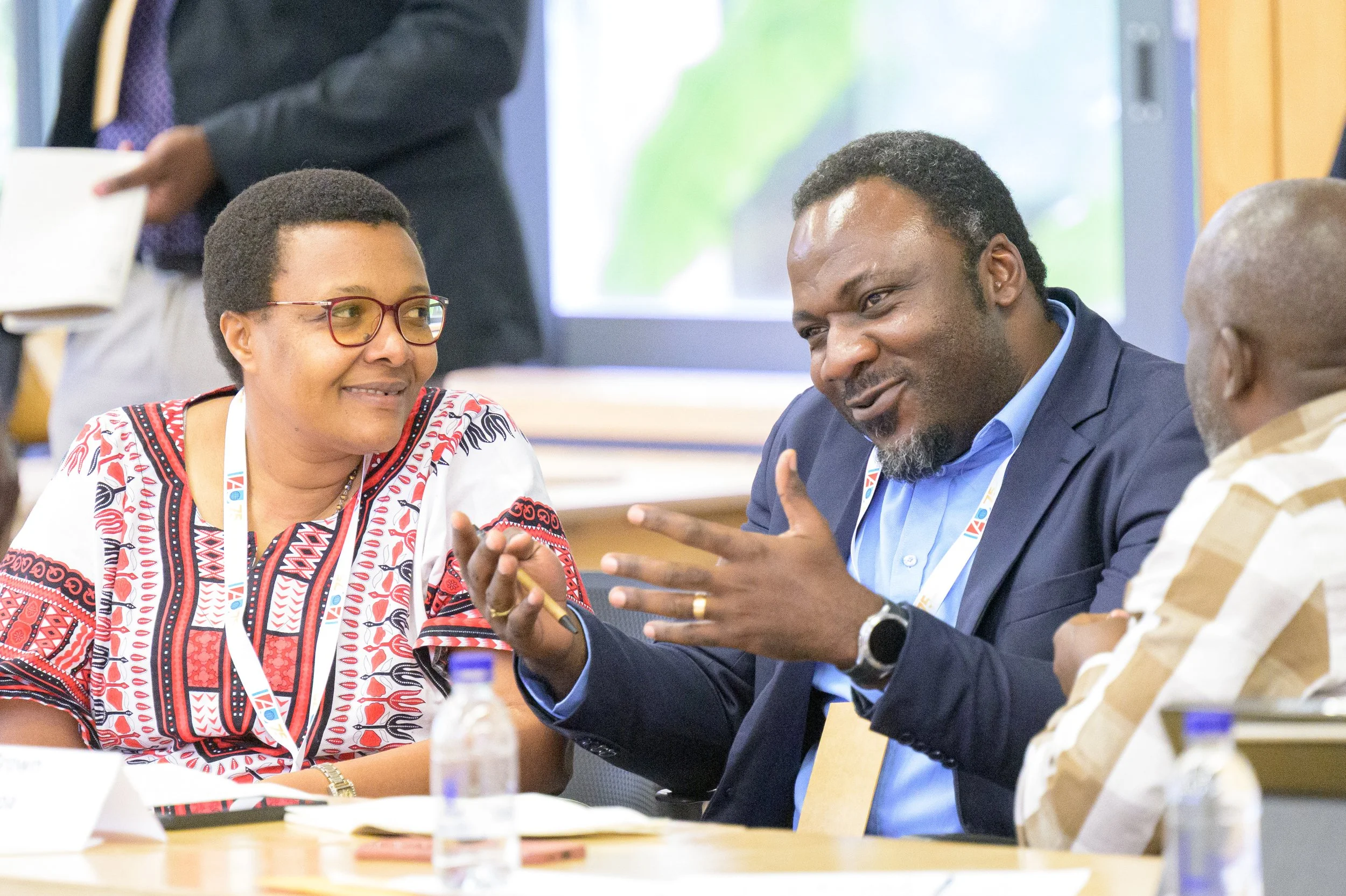
The Lab’s strong focus on people and leadership styles further deepened this integrated approach. Discussions on collaborative workforces, self-awareness, and equity highlighted that no strategy can succeed without intentional attention to institutional culture. Former Provost of the New School, USA Renée White’s reflections on trust, accountability, and psychological safety intersected directly with University of Ghana Vice Chancellor Nana Aba Appiah Amfo’s emphasis on inclusive, adaptive, and equitable leadership in African higher education contexts marked by expansion, resource constraints, and calls for decolonization. Together, these sessions underscored leadership not as positional authority, but as relational and values-driven practice.
Led by IAU President Andrew Deeks, sessions on governance, risk management, and restructuring brought a pragmatic lens to these discussions. Case studies from diverse institutional contexts demonstrated how strategic change requires both principled decision-making and political acumen. Conversations on restructuring, financial sustainability, and risk highlighted the tensions leaders must navigate between innovation and stability, autonomy and accountability, short-term pressures and long-term vision. These themes were further reinforced in discussions on fundraising, where donor confidence, transparency, mission clarity, and institutional credibility were shown to depend on strong governance and aligned leadership.
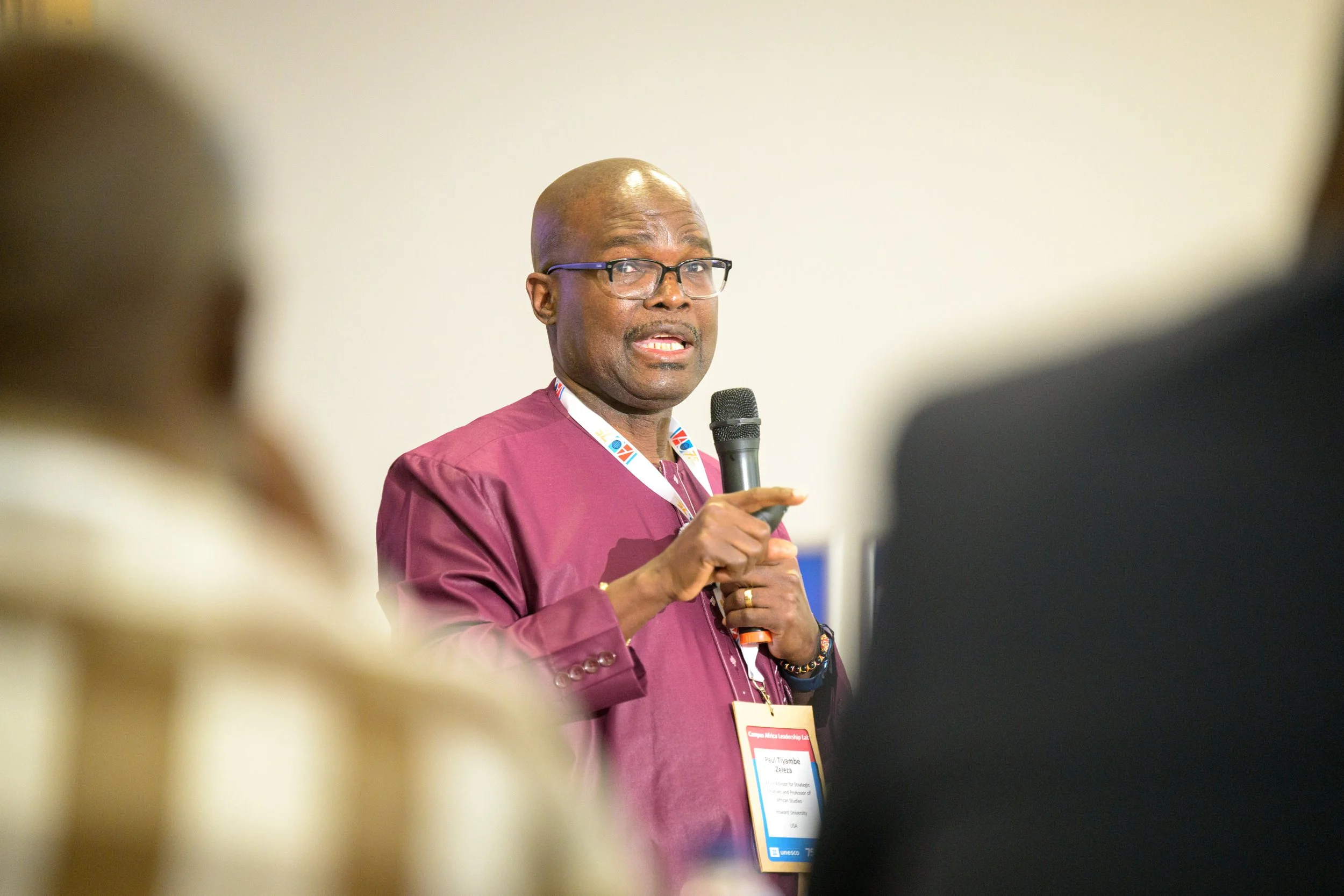
The future-oriented dimensions of leadership—partnerships and digital transformation—were likewise treated as interconnected challenges. As detailed by Vice Chancellor Francis Petersen, the University of Pretoria’s approach to co-created partnerships illustrated how engagement with industry, schools, and research ecosystems can strengthen societal relevance while advancing academic goals. Meanwhile, discussions led by Former Vice-Chancellor, United States International University-Africa, Kenya Paul Zeleza on artificial intelligence and digital governance emphasized the need for universities to engage critically with technology, ensuring that innovation remains human-centred, ethical, and responsive to African realities.
Leadership in times of adversity served as a unifying thread across the programme. Whether addressing financial uncertainty, digital disruption, or social and political crises, participants reflected on the importance of clarity, communication, and values-based decision-making under pressure. These reflections naturally flowed into the final discussions on advocacy, which reframed engagement with society not as an optional add-on, but as a core leadership responsibility. The concept of the civic university—deeply embedded in its context and accountable to its communities—offered a compelling synthesis of the Lab’s central themes.
An Immersive Leadership Space
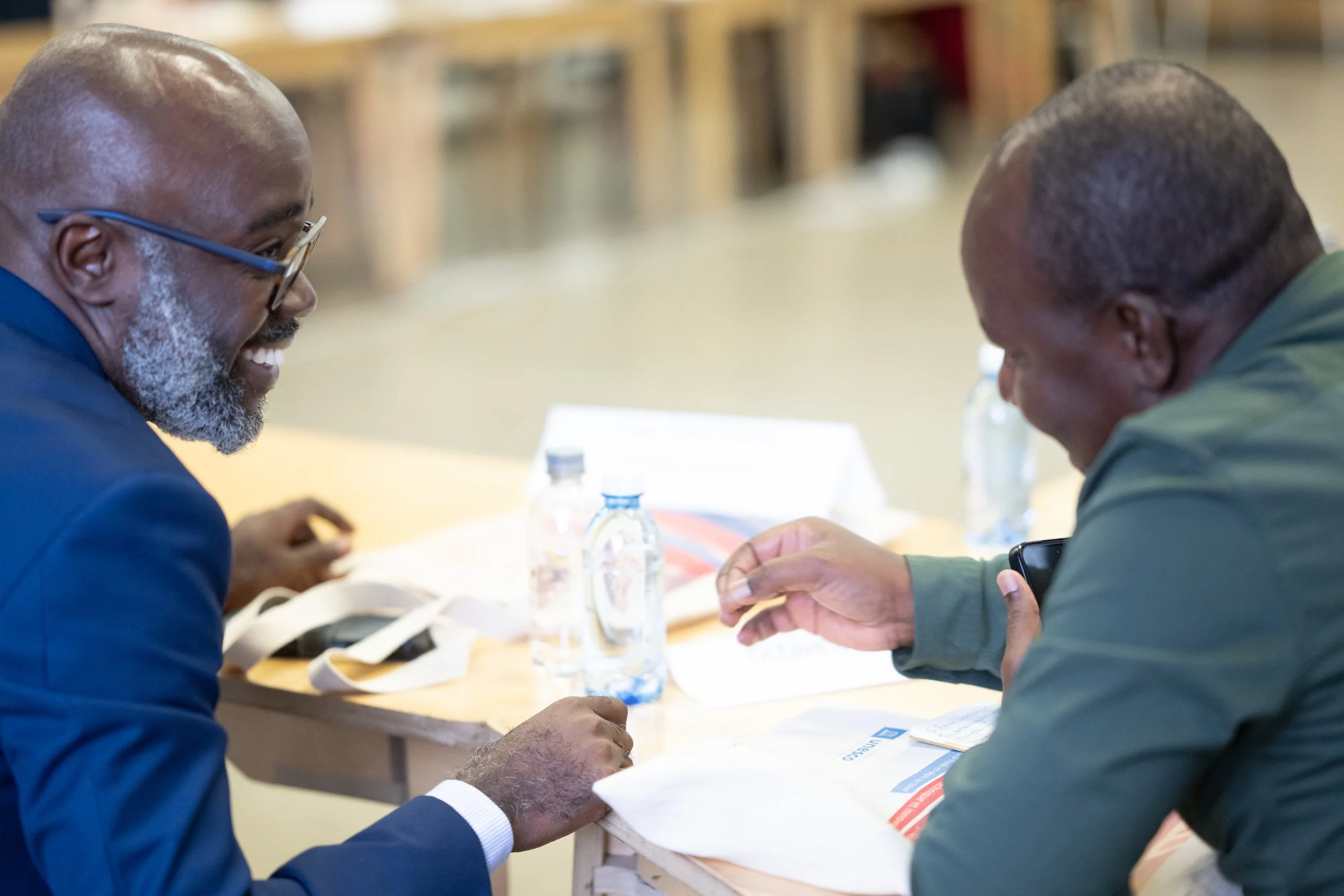
Delivered under UNESCO’s Campus Africa Flagship Programme, the Lab’s sessions engaged with the continent’s specific realities—demographic growth, funding constraints, uneven digital infrastructure, and the imperative to decolonize the curriculum—while drawing on global perspectives and comparative experience. This balance reinforced the idea that African universities are not peripheral actors, but central contributors to shaping the future of higher education worldwide.
The Lab’s intensive, bootcamp-style format was instrumental in fostering this depth of engagement. Over five days, participants moved rapidly between conceptual reflection and practical application, while learning circles created space for peer exchange, collective problem-solving, and honest reflection. These moments of dialogue were as formative as the formal sessions themselves, strengthening networks of trust and collaboration that extend beyond the programme.
Gratitude and Collective Commitment
The IAU extends particular thanks to the University of Pretoria for hosting the programme and for exemplifying, through its own institutional strategy and partnerships, many of the leadership principles explored during the Lab. Appreciation is also due to UNESCO, represented by Programme Officer Xeuchan Huang, under the Campus Africa Flagship Programme funded by the UNESCO–China Funds-in-Trust (CFIT) Phase III project.
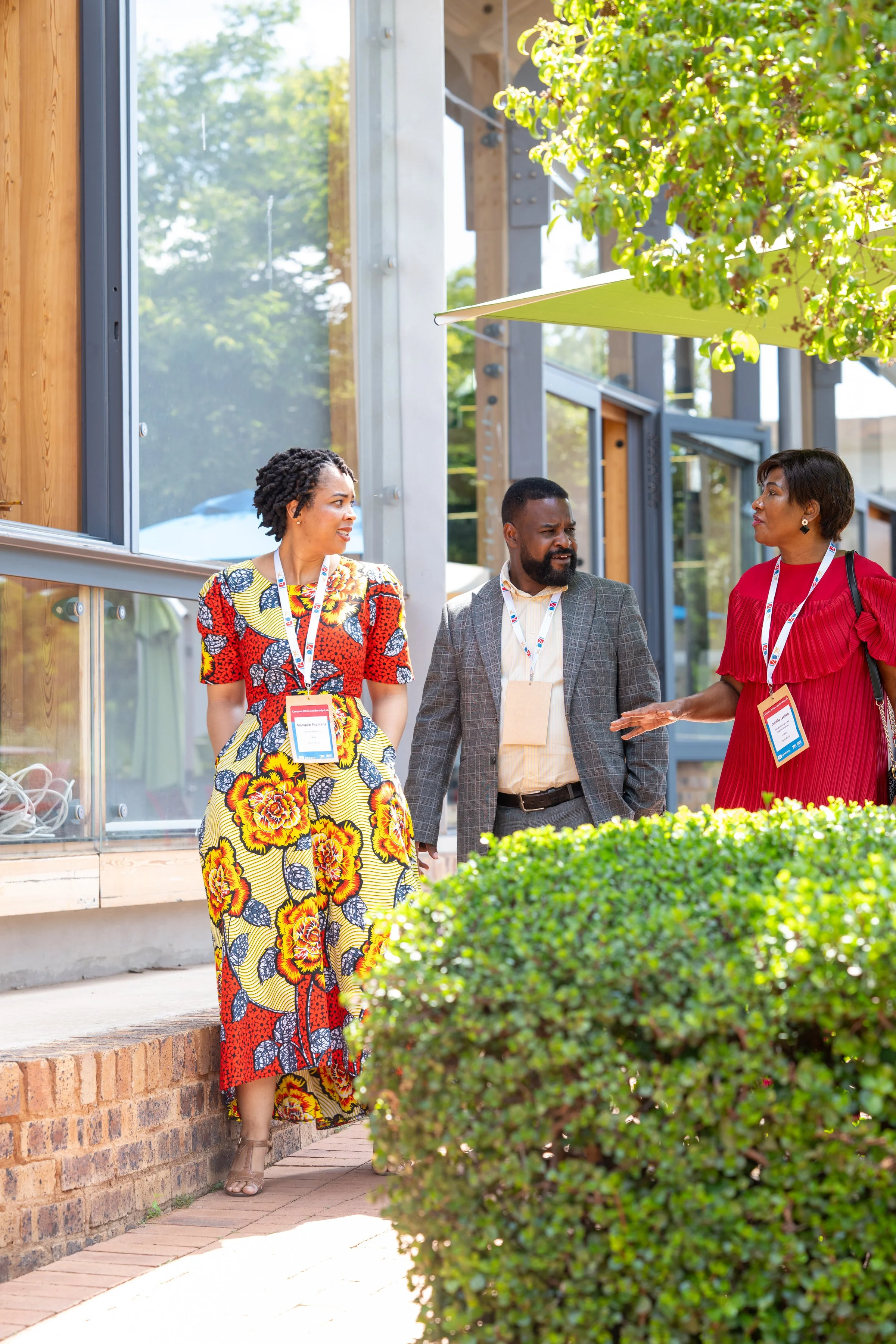
The success of the Campus Africa Leadership Lab was made possible through the commitment and generosity of its facilitators—distinguished university leaders who shared not only expertise, but candid reflections drawn from lived leadership experience. Their willingness to give their time and to engage openly with participants created a sophisticated learning environment guided by realism, humility, and mutual respect.
Looking Ahead
The IAU–UNESCO Campus Africa Leadership Lab affirmed the value of immersive, integrated leadership development grounded in context, dialogue, and shared responsibility. For the IAU global community, it offered a powerful reminder that the future of higher education leadership—on the African continent and beyond—will depend not on isolated solutions, but on leaders capable of dealing with complexity, aligning values with action, and working collectively to advance universities as institutions of public good.
The IAU–UNESCO Campus Africa Leadership Lab offered more than a series of training sessions; it provided a collective space for reflection on the future of African higher education and the leadership required to shape it. By centring societal relevance, equity, sustainability, and collaboration, the programme reaffirmed the critical role of universities as public institutions—anchored in their contexts, accountable to their communities, and equipped to drive transformative change across the continent.