Toward a High-Impact Unviersity That Changes the World
Network for University Leaders in Governance and Management (DG2) | 2026 Summer School | Bogotá and Cartagena de Indias, Colombia | 10-16 May 2026
The IAU was pleased to have been invited for the second year in a row to the Network for University Leaders in Governance and Management (DG2) 2026 Summer School, hosted by UNIMINUTO, Colombia. Building on the 2025 discussions on international cooperation in geopolitical context, this year’s event focused on how to move “towards a high-impact university that changes the world.” IAU Secretary General Hilligje van’t Land took an active part in the programme, giving a presentation, leading a key workshop, and connecting with the 15 participating Francophone and Francophile universities from Belgium, Brazil, Canada, Colombia, France, Morocco, and Switzerland.
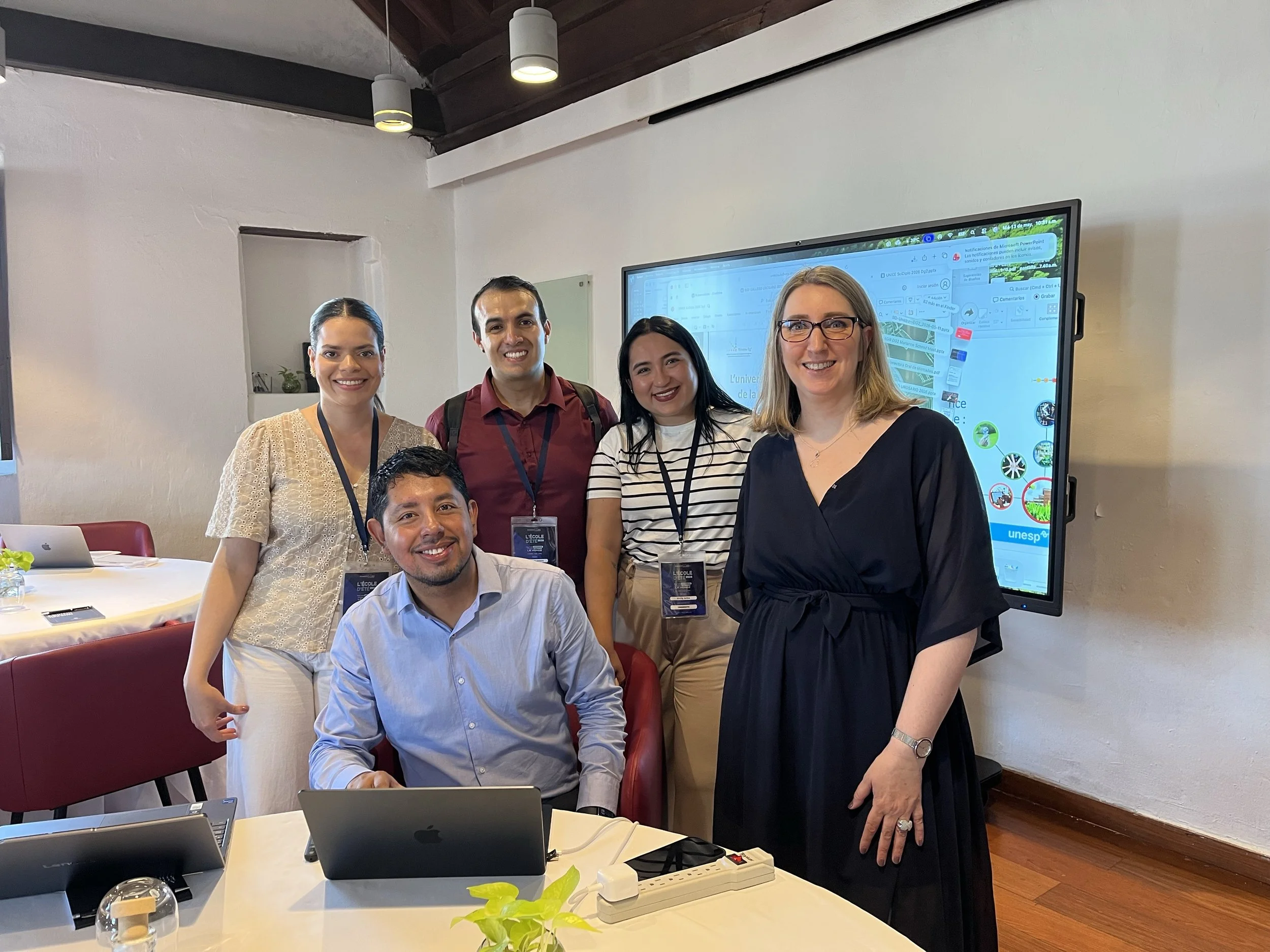
The Expanded Mission of Universities
The 2026 summer school programme was built upon the premises that, historically, universities have been places of knowledge, learning, and the education of future leaders. Today, their mission has expanded considerably: they have become key drivers of innovation and economic development and guardians of social justice, democracy, and science. They are expected to fulfil multiple roles: educating a highly skilled workforce, producing cutting-edge research, contributing to public debate, and promoting social inclusion. These responsibilities have become essential in an increasingly competitive and rapidly evolving landscape.
At a time when universities are confronted with numerous and often destabilising changes, they must redefine their role and rethink their modes of action and strategic engagements in order to reaffirm their place in society. The challenges to universities and society at large are profound: the weakening of democracy; attacks on academic freedom; growing scepticism of and disengagement with science and knowledge; mis- and disinformation; declining public trust in universities; the devaluation of academic qualifications; the loss of learners to new educational providers; the commodification of knowledge; political interference; reduced public funding and the instrumentalization of university budgets; and the climate crisis, to name but a few. Critically, essential responses to these challenges may be found within the expertise of universities themselves.
Framing the Debate
Throughout this years’ Summer School, the participants collegially examined the capacity of universities to transform themselves so that they remain leading actors in responding to and shaping the educational, epistemological, societal, geopolitical, cultural, economic, and technological changes that are transforming socities around the world.
The week’s framing questions debated the university's purpose, operational time frames and constraints, the scale of expected transformations, contemporary impact assessment, and maintaining balance across all missions:
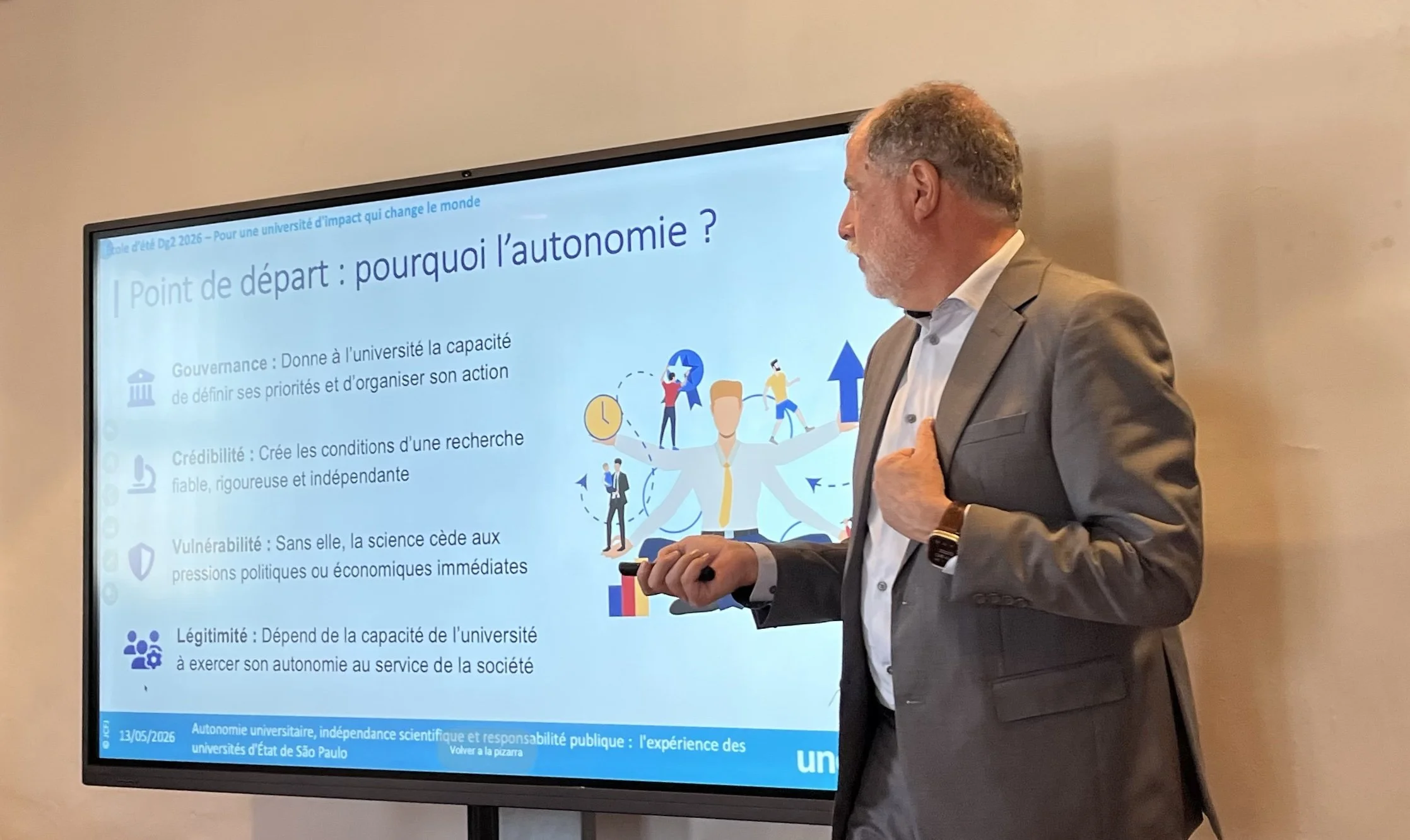
Purpose: What should be the new mission of the university, or how should its existing mission be fundamentally transformed? How can universities strike the right balance between professional education, and intellectual development and critical thinking, knowledge creation, and service to society? What insights and contributions should university expertise bring to public debate, collective decision-making, and society more broadly? How can the public service mission of universities be renewed and strengthened? How can university expertise be better recognised and mobilised to increase its societal impact?
Short and long term constraints : How can universities reconcile short-term imperatives—such as graduate employability and international rankings—with long-term commitments to critical education and fundamental research? How can they balance rigorous intellectual debate with the need for timely and agile decision-making?
Transformation scale: At what level should transformation be conceived and implemented: local, national, regional, or global?
Assessment methods: Which indicators of success and impact should be prioritised beyond “traditional” international rankings? How can the economic and social impact of universities at the local and national levels be better assessed and recognised? What contribution does each of the university's core missions make to sustainable development and societal progress?
Balance: How can universities preserve their institutional autonomy while responding to the evolving expectations of society, in a context of persistent financial constraints?
Addressing these issues, Hilligje took an active part in the programme. First, leading a key conference on Transforming Higher Education for Today and Tomorrow - Between Stability and Innovation the University in the Face of Attacks. She moreover facilitated a participatory atelier addressing some of the exact framing questions posed above: What University (would we like to be) in 2050?
The one-week retreat allowed for honest and constructive unpacking of the questions raised, identifying solutions for universities to implement. The very mission of a university was debated, impact assessment methods were scrutinised, the tension between short-term expectations and long-term planning was analysed, and the need to advocate the important role of the university in and for society was reaffirmed.
Engagement with the IAU
University members of the DG2 network engaged strongly with the value-based leadership, fair and inclusive principles of internationalization, committment to sustainable development that the IAU champsions. For the IAU, working closely with members of the higher education community is essential to staying informed about the issues, priorities, and developments shaping universities today. Opportunities such as the DG2 Summer School provide a valuable opportunity to engage in this dialogue and strengthen these connections.