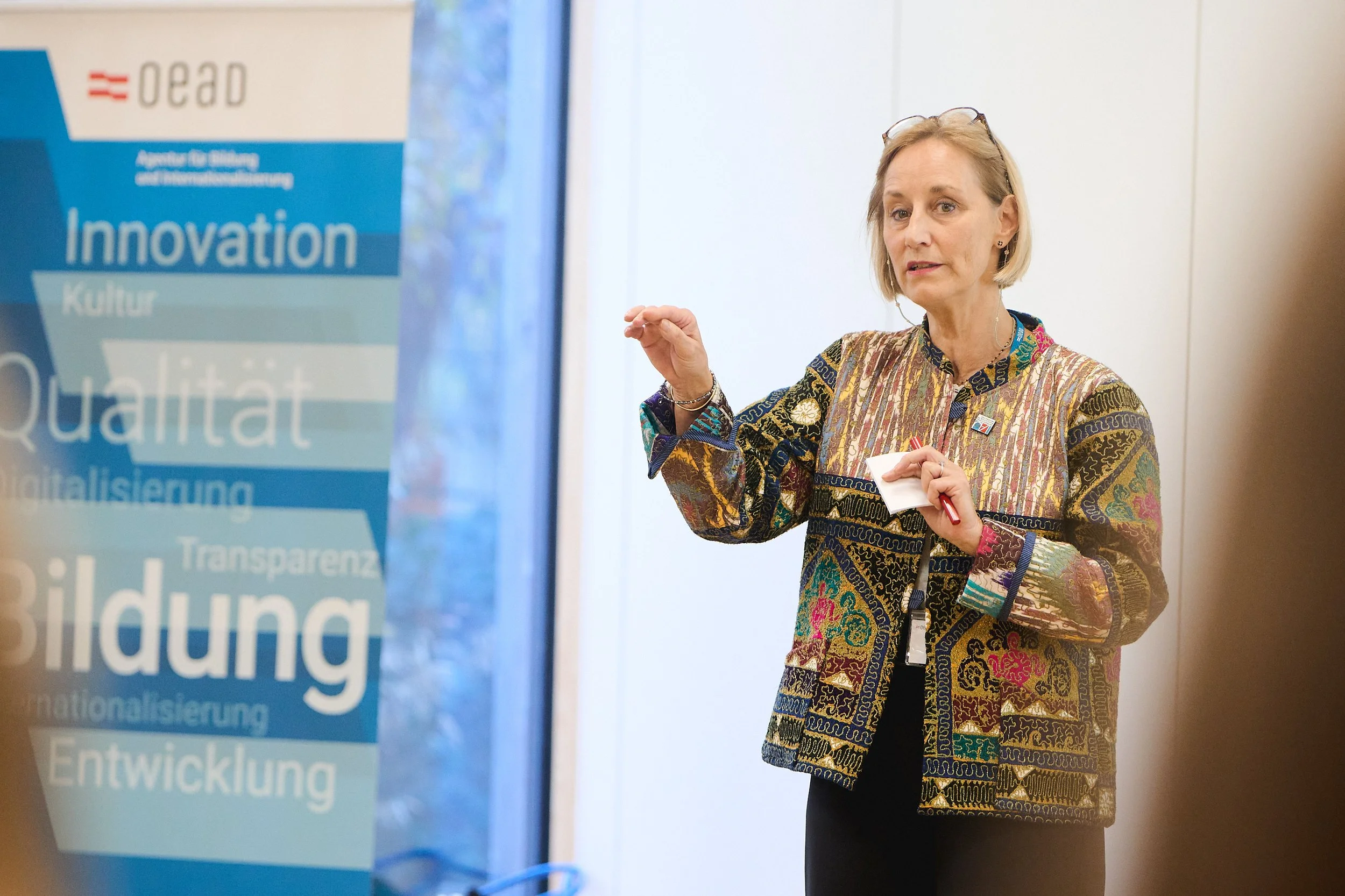
From 18-19 November 2026, Hilligje van’t Land, Secretary General of the International Association of Universities (IAU), participated in the OeAD Higher Education Conference 2026 hosted by BOKU University in Vienna. Through contributions to two sessions, she explored how universities can uphold international cooperation, democratic values, and academic freedom in an increasingly complex geopolitical environment.
Internationalization Under Pressure
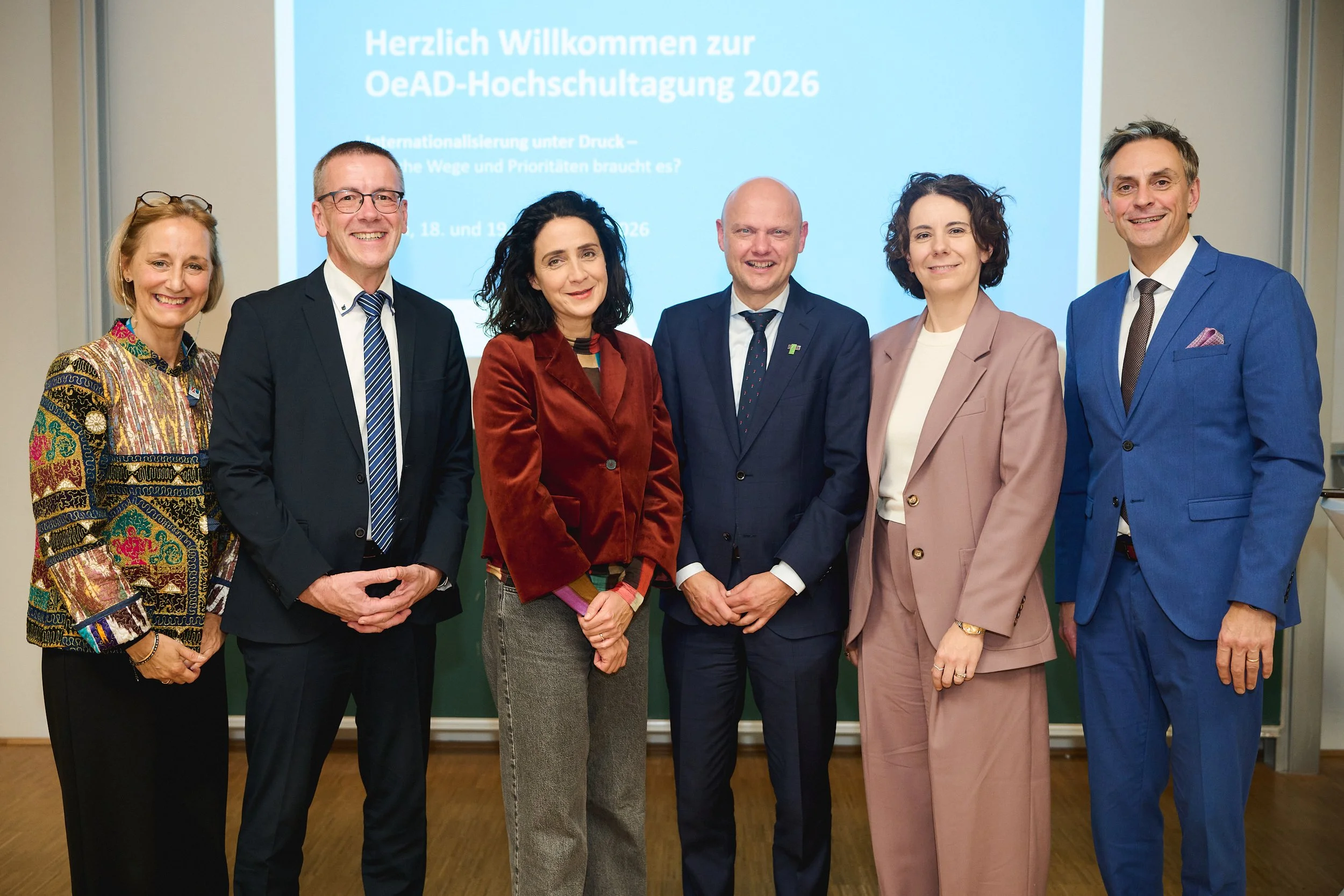
Under the theme Internationalization under Pressure – What Avenues and Priorities Ahead?, the conference examined the growing challenges facing international higher education, including geopolitical tensions, financial constraints, and shifting approaches to global cooperation. Discussions explored how universities can navigate competing national and international priorities while remaining committed to openness, academic collaboration, and responsible engagement.
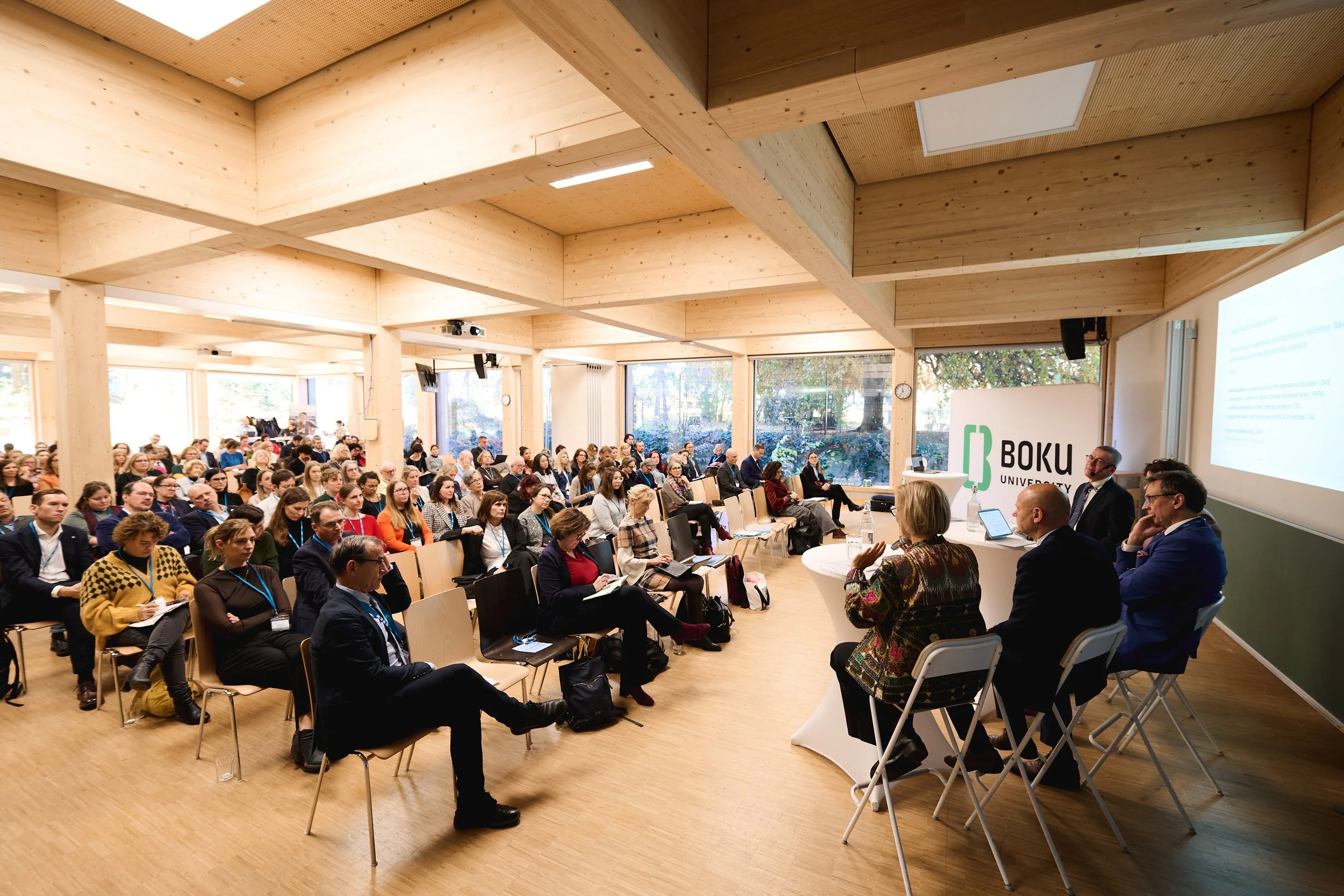
Bringing together higher education leaders, policymakers, and practitioners, the conference provided a space to reflect on the future of internationalization and the role of international cooperation in supporting mutual understanding, democratic values, and institutional resilience. Participants also considered how internationalization can continue to evolve as a connective and values-driven force in an increasingly complex global environment.
Navigating Geopolitical Pressures on International Cooperation
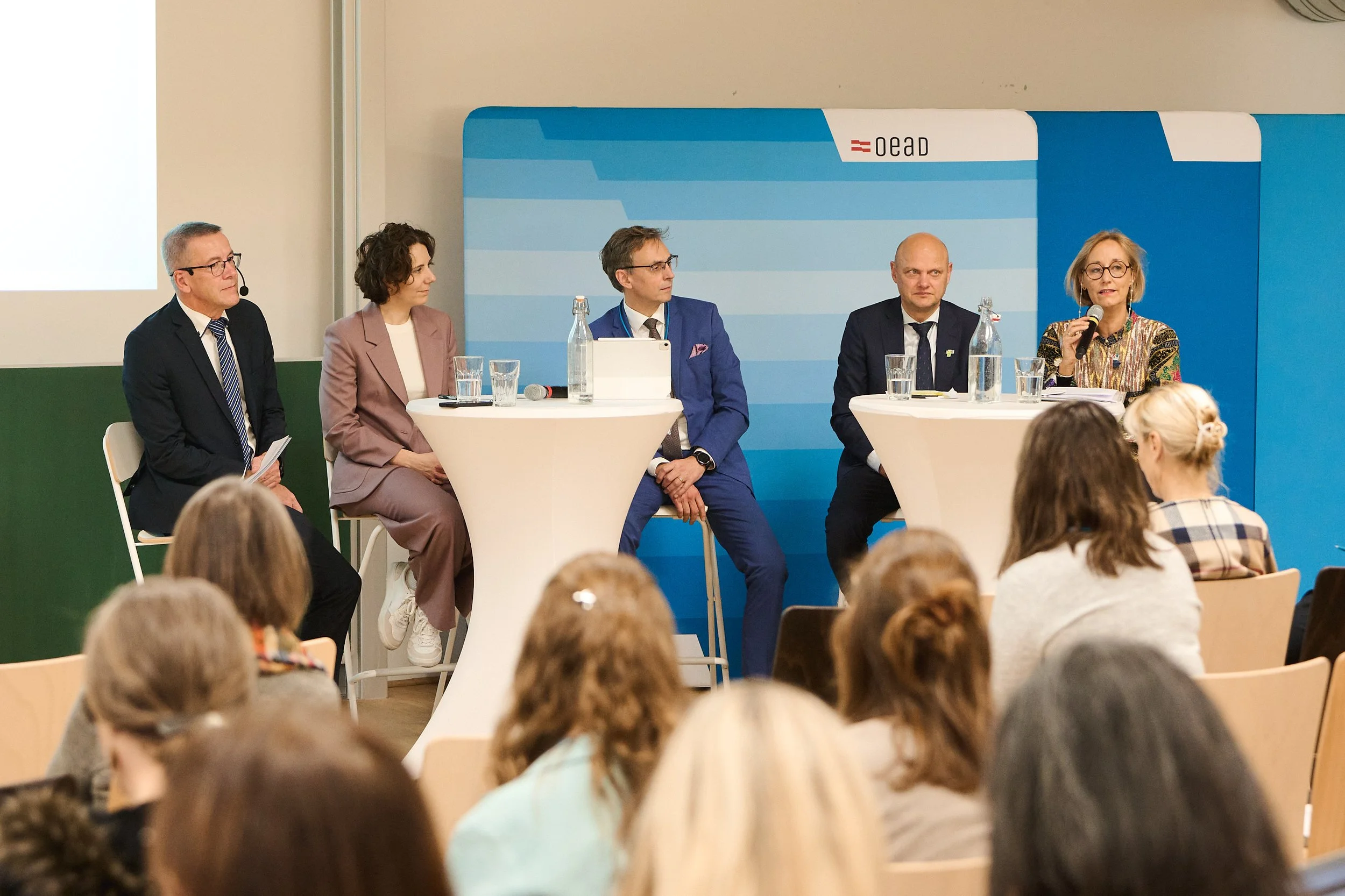
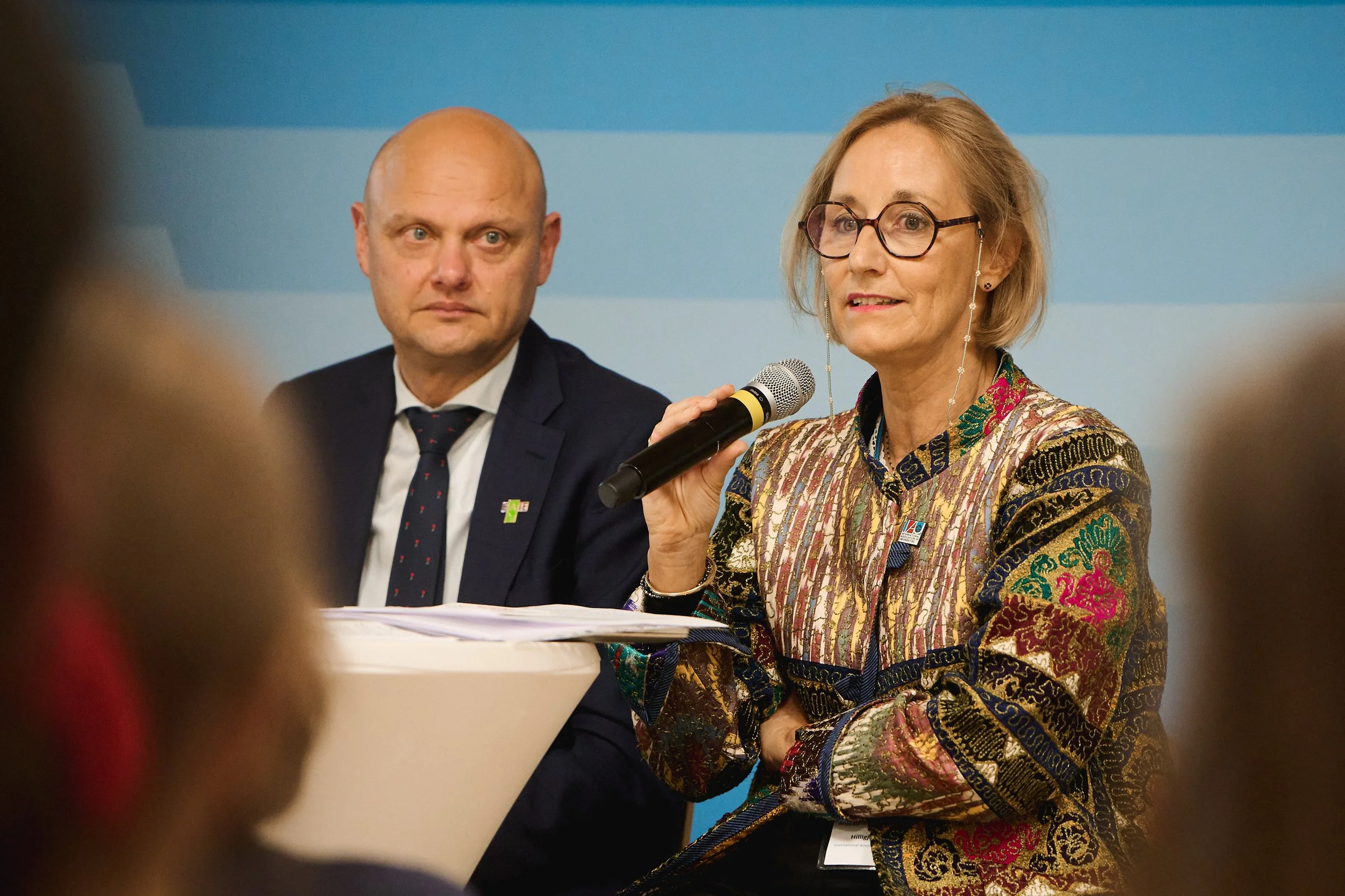
On the first day, Hilligje van’t Land joined Mervin Bakker (European Association for International Education, EAIE), Sylvia Geyer (University of Applied Sciences Technikum Wien, FHTW), and Carsten Q. Schneider (Central European University, CEU) for the plenary panel International Cooperation and Democratic Resilience: Navigating Autonomy, Values and Geopolitical Pressure, moderated by Gerhard Voltz of OeAD.
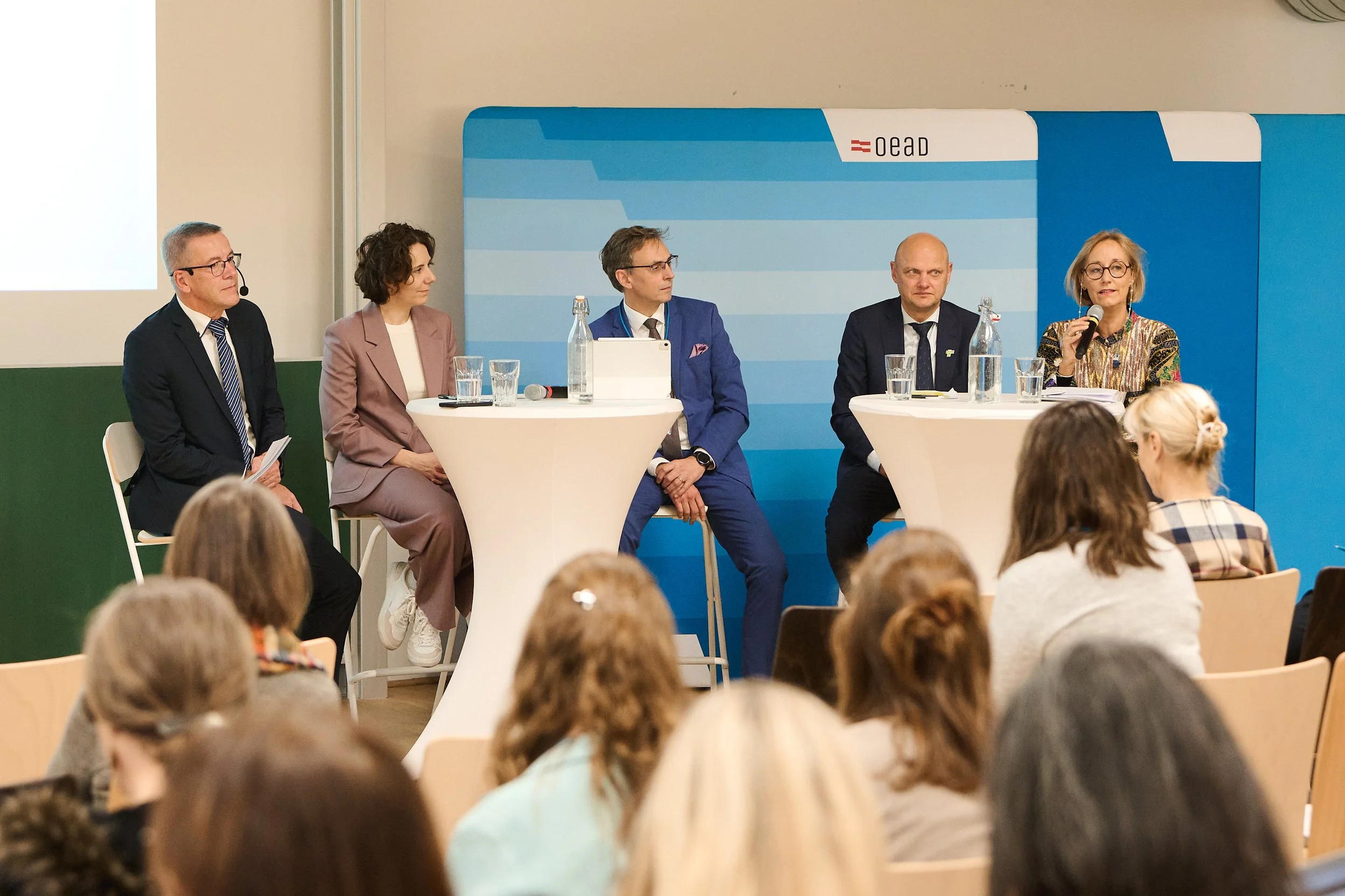
During the discussion, she reflected on the impact of geopolitical tensions and growing threats to democratic values on the international identity of higher education. She explained how the long-standing assumption that academic cooperation can transcend political differences is increasingly being challenged by geopolitical competition, armed conflicts, strategic rivalries, and inward-looking national policies. As a result, universities are taking a more critical approach to international engagement, carefully considering whom to partner with, where research funding originates, and how knowledge and technologies are shared.
She identified five major shifts shaping the internationalization landscape today:
A move from globalization and openness towards geopolitical competition.
A shift from broad openness to more selective internationalization, with increasing scrutiny of the return on investment of international engagement.
The erosion of democratic values, which threatens academic freedom and university autonomy and places new pressures on higher education institutions.
A rapidly changing international landscape.
Growing tensions between universities' global missions and national expectations.
Panelists agreed that universities are not yet fully prepared to respond to these evolving challenges. They emphasized the need for stronger institutional policies, governance structures, transparency mechanisms, and leadership engagement to safeguard academic values and navigate increasing complexity.
At the same time, participants reaffirmed that universities should remain values-based institutions that promote knowledge creation, critical thinking, and citizenship education while continuing to serve as open and welcoming spaces for dialogue and exchange.
Internationalization as a Driver for Democracy and Resilience
Internationalization has long played a key role in fostering cross-border collaboration, intercultural understanding, and academic exchange. In an increasingly complex geopolitical environment, however, questions are emerging about how international cooperation and student mobility can continue to strengthen dialogue, democratic values and institutional resilience.
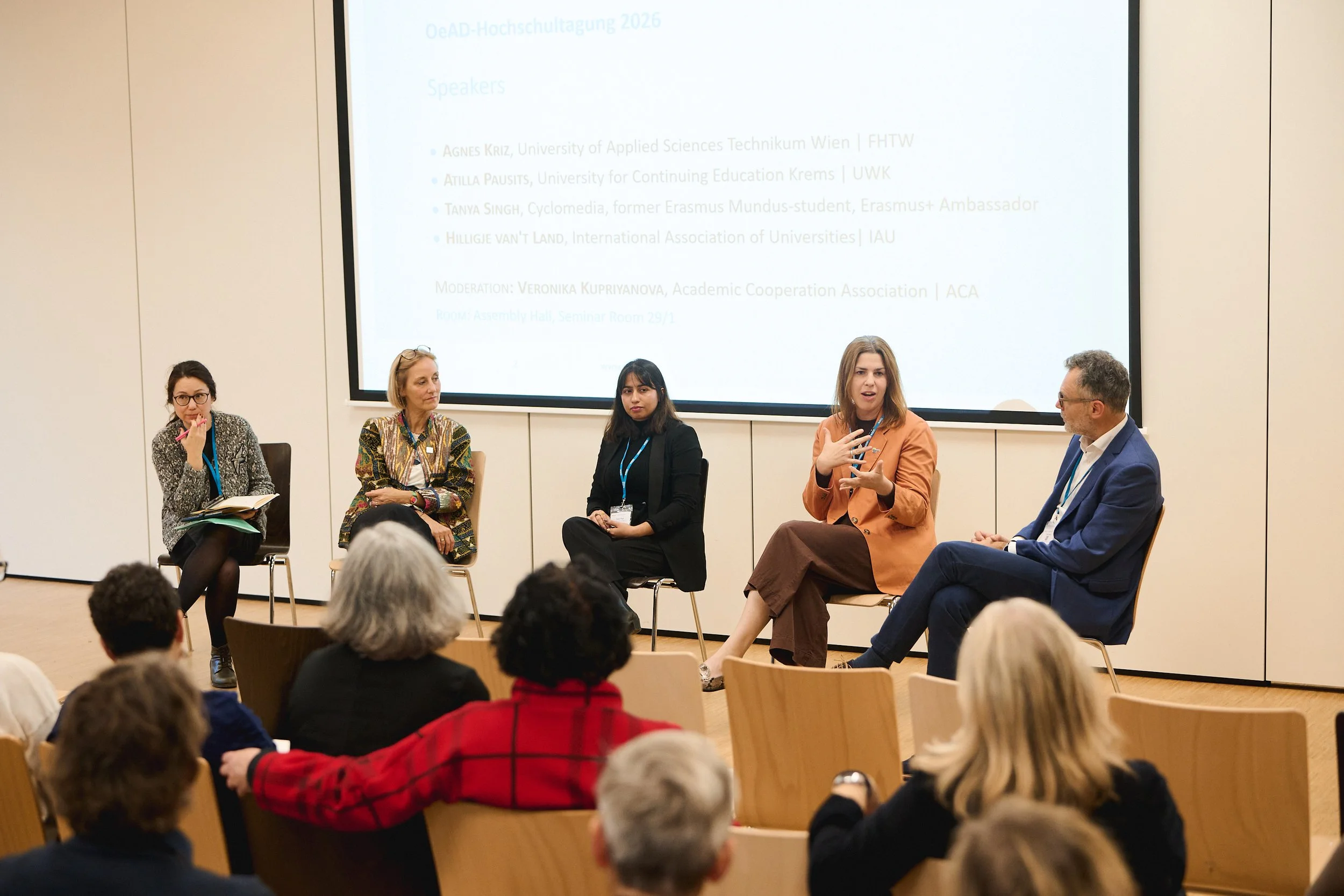
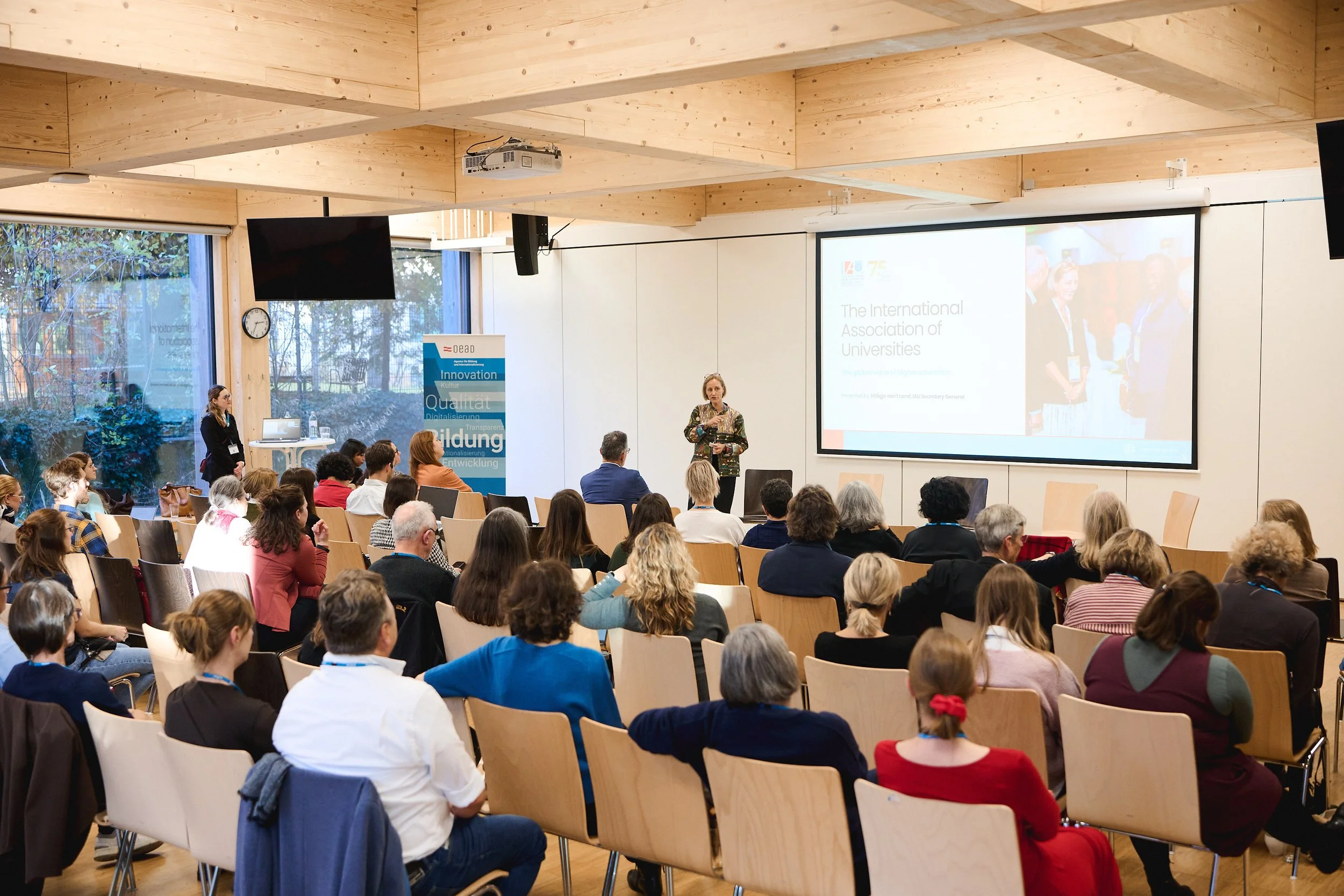
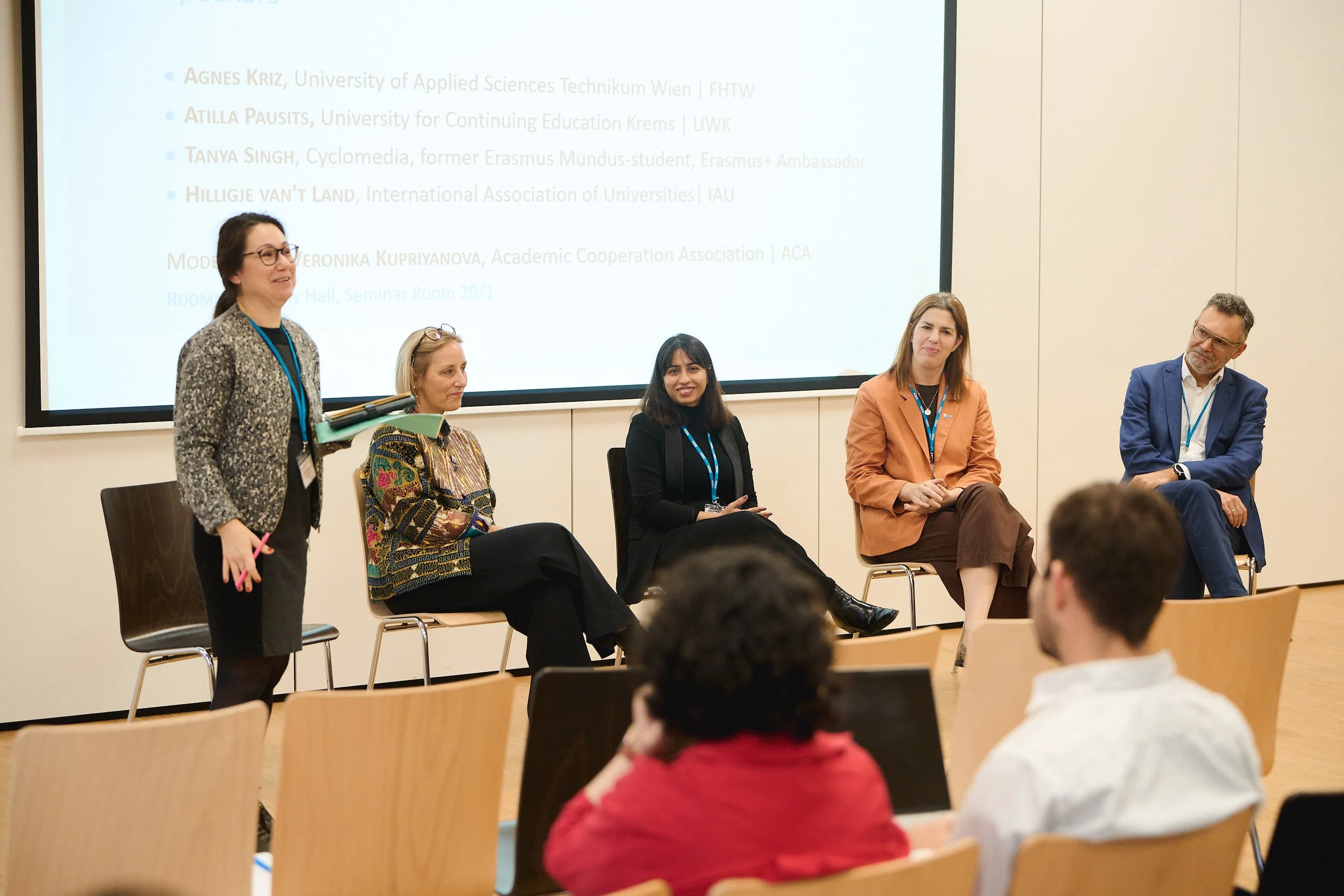
These issues were explored during the session Internationalization as a Driver for Democracy and Resilience. Drawing on examples from the work of the International Association of Universities (IAU), Hilligje highlighted how the Association fosters international cooperation and constructive partnerships across the global higher education community. She demonstrated how this commitment is reflected across the IAU's four strategic priority areas and contributes to strengthening collaboration among higher education institutions worldwide.
She also presented the World Higher Education Database (WHED) as a resource that can support international relations offices in their internationalisation work, facilitating informed institutional engagement and international cooperation.
Internationalization at the IAU
Across both sessions, discussions underscored that international cooperation remains essential for connecting diverse knowledge systems, fostering curiosity and innovation, and advancing the creation and dissemination of knowledge. As one of the four IAU’s thematic priorities, the IAU strives to be a leading voice for a transformative and inclusive internationalization of higher education and an internationalization for society and the global common good.
Learn about IAU’s work on Internationalization.


Pictures: © OeAD/APA-Fotoservice/Martin Hörmandinger