Inclusive and Collaborative Transnational Education
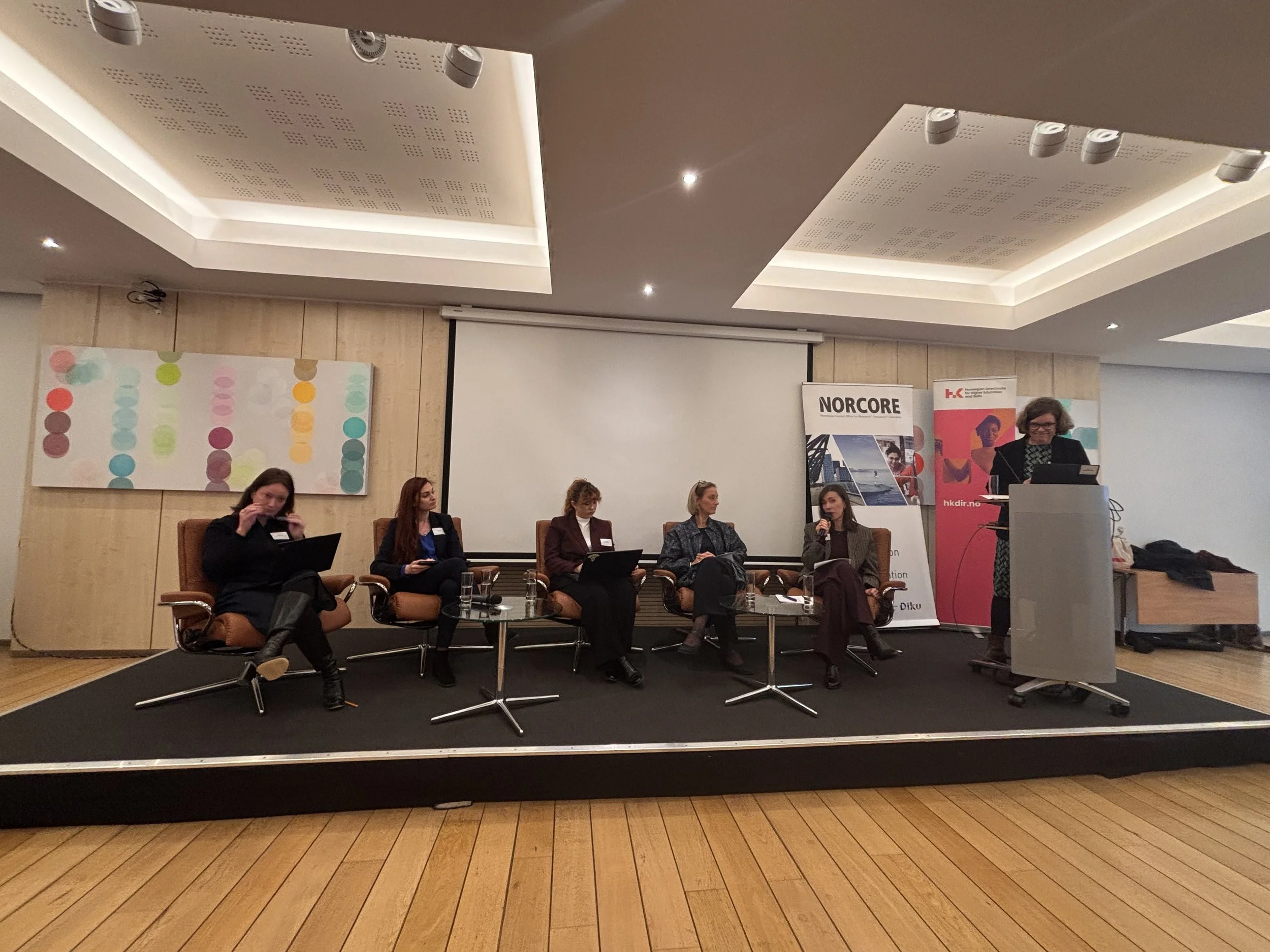
On 9 February, IAU Secretary General Dr. Hilligje van’t Land represented the Association in the seminar “Navigating Recognition of Qualifications in Transnational Education,” hosted by the Norwegian Directorate for Higher Education and Skills (HK-dir) in Brussels. The event brought together key stakeholders in higher education, including representatives from UNESCO, the European Commission, the Council of Europe, and other global and European organizations.
A Critical Focus: Recognition of Qualifications
Recognition of qualifications is vital for ensuring the mobility of students and researchers and fostering international cooperation in higher education. A central theme of the seminar was the role of UNESCO’s Global Convention on the Recognition of Qualifications concerning Higher Education in establishing guidelines and best practices for cross-border education. Notably, one of the first subsidiary texts to the Convention will address Quality Assurance (QA) in Transnational Education. The IAU actively supports the Global Convention and its implementation at national and institutional levels. In this way, the IAU was pleased to participate in this seminar, which explored global, European, and EU-level initiatives designed to facilitate student mobility, with a particular focus on the opportunities and challenges presented by the rapid expansion of transnational education (TNE).
Opportunities and Challenges of TNE
In her remarks, Dr. van’t Land highlighted both the opportunities and challenges of transnational education:
Opportunities: Expanding access and equity, scaling internationalization, driving curriculum innovation, enhancing institutional resilience, and leveraging TNE as a form of academic diplomacy to build trust and shared academic values.
Challenges: Ensuring quality assurance and recognition, addressing power asymmetries and academic neo-colonialism, navigating regulatory and political risks, promoting sustainability and ethics, and bridging staff workload and cultural gaps.
Dr. van’t Land emphasized the need to shift from transactional models of TNE to genuinely collaborative approaches, grounded in mutual trust, academic freedom, and long-term commitment. She reaffirmed the IAU’s support for the Global Convention and its implementation at national and institutional levels.
A Shared Vision for the Future
The seminar underscored the importance of collective efforts to ensure that transnational education reaches its full potential in an increasingly complex global higher education landscape. The IAU remains committed to advancing these goals through advocacy, research, and collaboration with partners worldwide.
For more information, visit the event page.