IAU at the HLPF 2026
From 7 to 15 July 2026, the United Nations High-Level Political Forum on Sustainable Development (HLPF) was held under the auspices of the Economic and Social Council. The 2026 Forum focused on the theme “Transformative, equitable, innovative and coordinated actions for the 2030 Agenda for Sustainable Development and its Sustainable Development Goals for a sustainable future for all.”
This year’s review focused on SDG 6 (Clean Water and Sanitation), SDG 7 (Affordable and Clean Energy), SDG 9 (Industry, Innovation and Infrastructure), SDG 11 (Sustainable Cities and Communities), and SDG 17 (Partnerships for the Goals). For the IAU, the annual HLPF provides a unique opportunity to highlight the transformative potential of higher education institutions (HEIs) in advancing the 2030 Agenda and to reinforce the role of universities as key actors in sustainability, equity, and evidence-based policymaking.
Virtual Side Event - 8 July 2026
Sustainable Cities and Higher Education: Partners and Accelerators for Sustainable Transformation
Co-Organised by the IAU, Siam University (IAU HESD Cluster Lead for SDG 11 ), Mykolas Romeris University, and the Global Student Forum (GSF), this event formed part of the official side event programme of the HLPF.
Higher education institutions, together with their students and civil society partners, are essential actors in advancing the 2026 HLPF theme by accelerating inclusive, science-informed, and community-driven action for sustainable development. This session focused on SDG 11 (Sustainable Cities and Communities) and the vital contribution of universities in shaping sustainable and greener, more resilient, and more inclusive and equitable urban futures through education, research, innovation, and civic engagement.
The discussion highlighted how universities are working with youth and student networks, municipalities, and local communities to co-create solutions for sustainable mobility, affordable housing, climate adaptation, public spaces, social inclusion, and digital innovation. Particular attention will be given to student-led initiatives, youth participation in urban governance, and campus-city partnerships that turn higher education institutions into living laboratories for sustainable cities.
Virtual Side Event - 9 July 2026
2026 HESI Global Forum: Reimagining Higher Education for the Global Transformation toward a Sustainable Future
On 9 July 2026, the 2026 HESI Global Forum—held as a special event to the 2026 High-Level Political Forum on Sustainable Development (HLPF)—was convened under the theme “Reimagining Higher Education for Global Transformation toward a Sustainable Future.” In line with the 2026 HLPF focus on transformative, equitable, innovative and coordinated actions for the implementation of the 2030 Agenda, the Forum explored how higher education can serve as a catalyst for global solutions, systemic change and inclusive sustainable development.
Global Higher Education Symposium II - 13 July 2026
For the second year in a row, the United Nations Academic Impact organised a Global Higher Education Symposium
(GHES II) on the sidelines of the UN High-Level Political Forum (HLPF) to explore how universities can drive progress toward fairer, more inclusive, and sustainable futures.
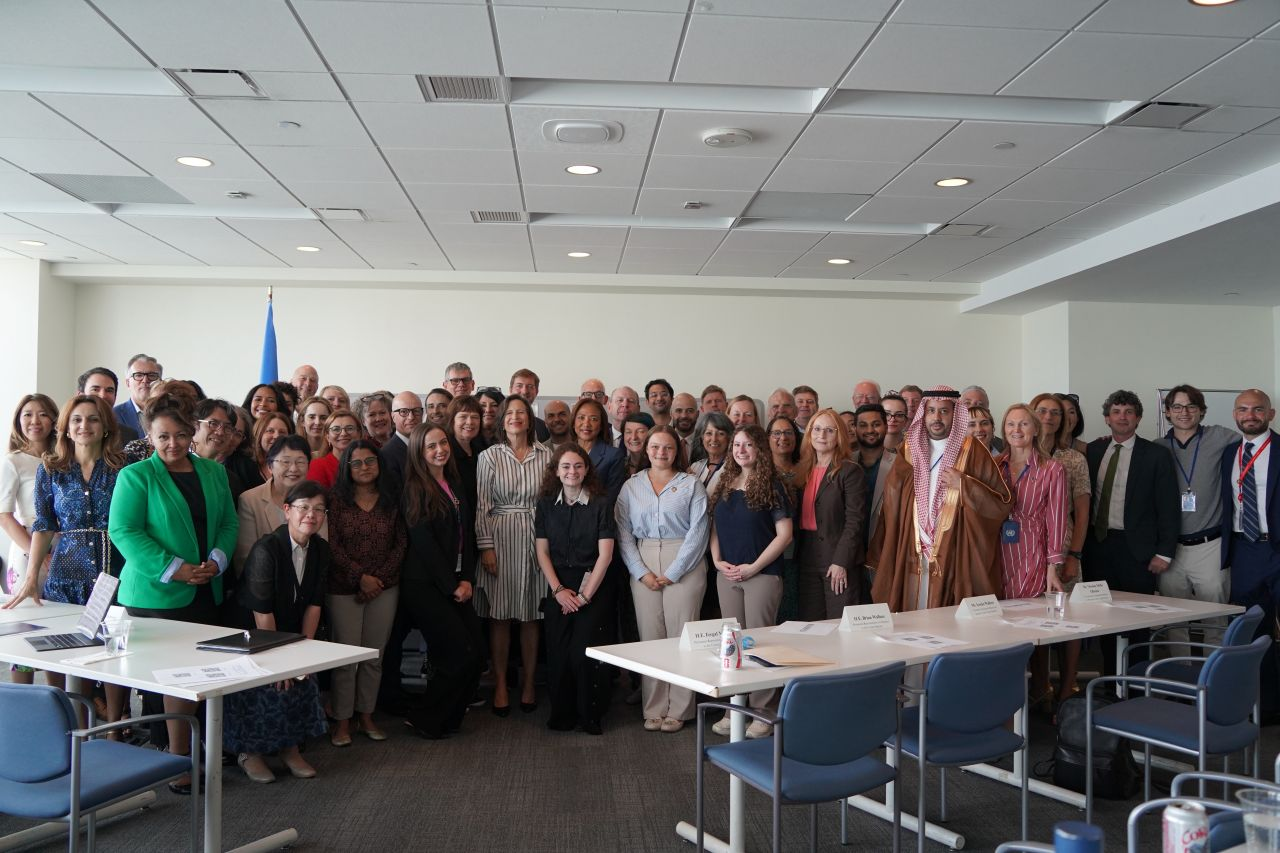
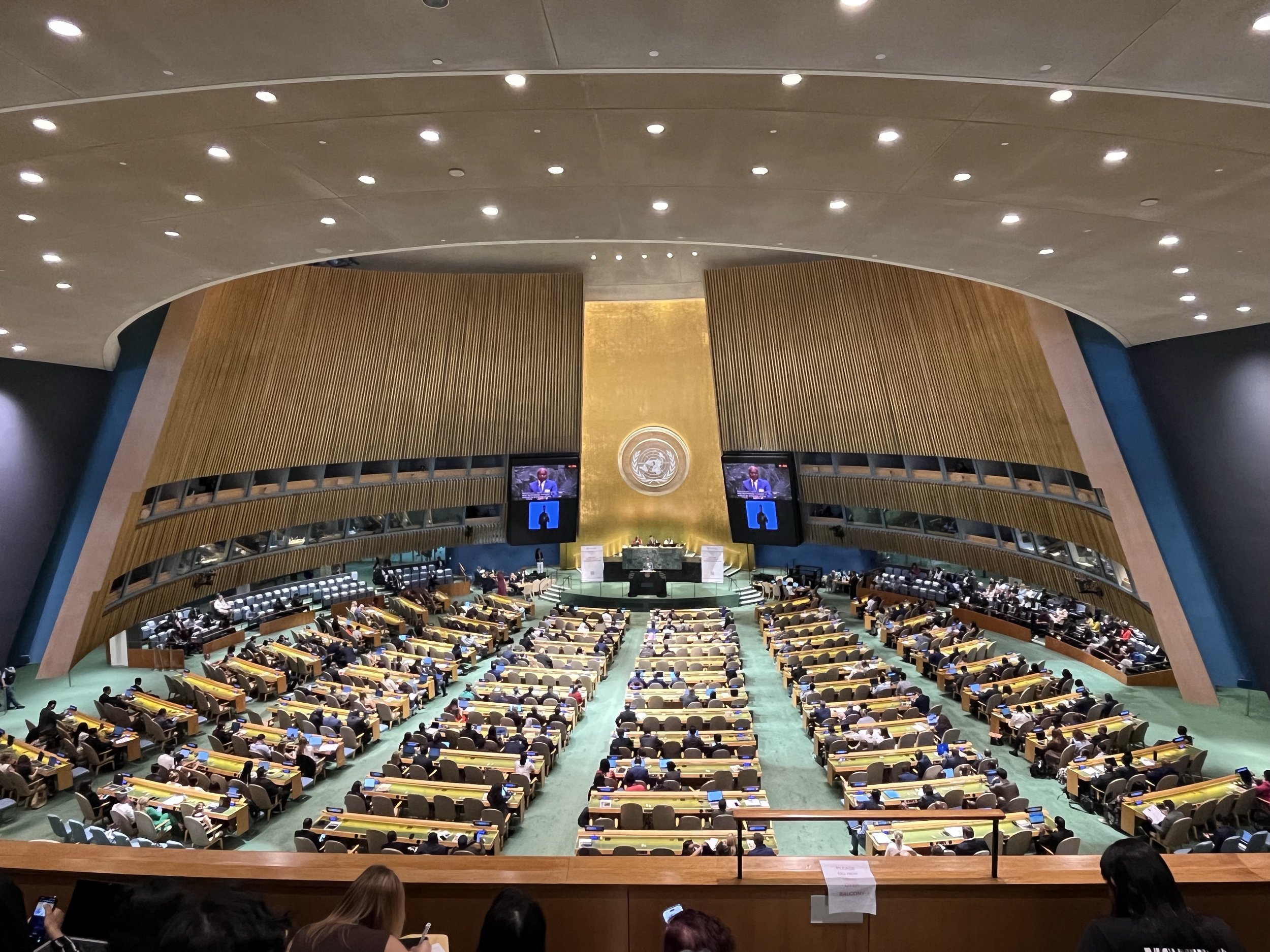
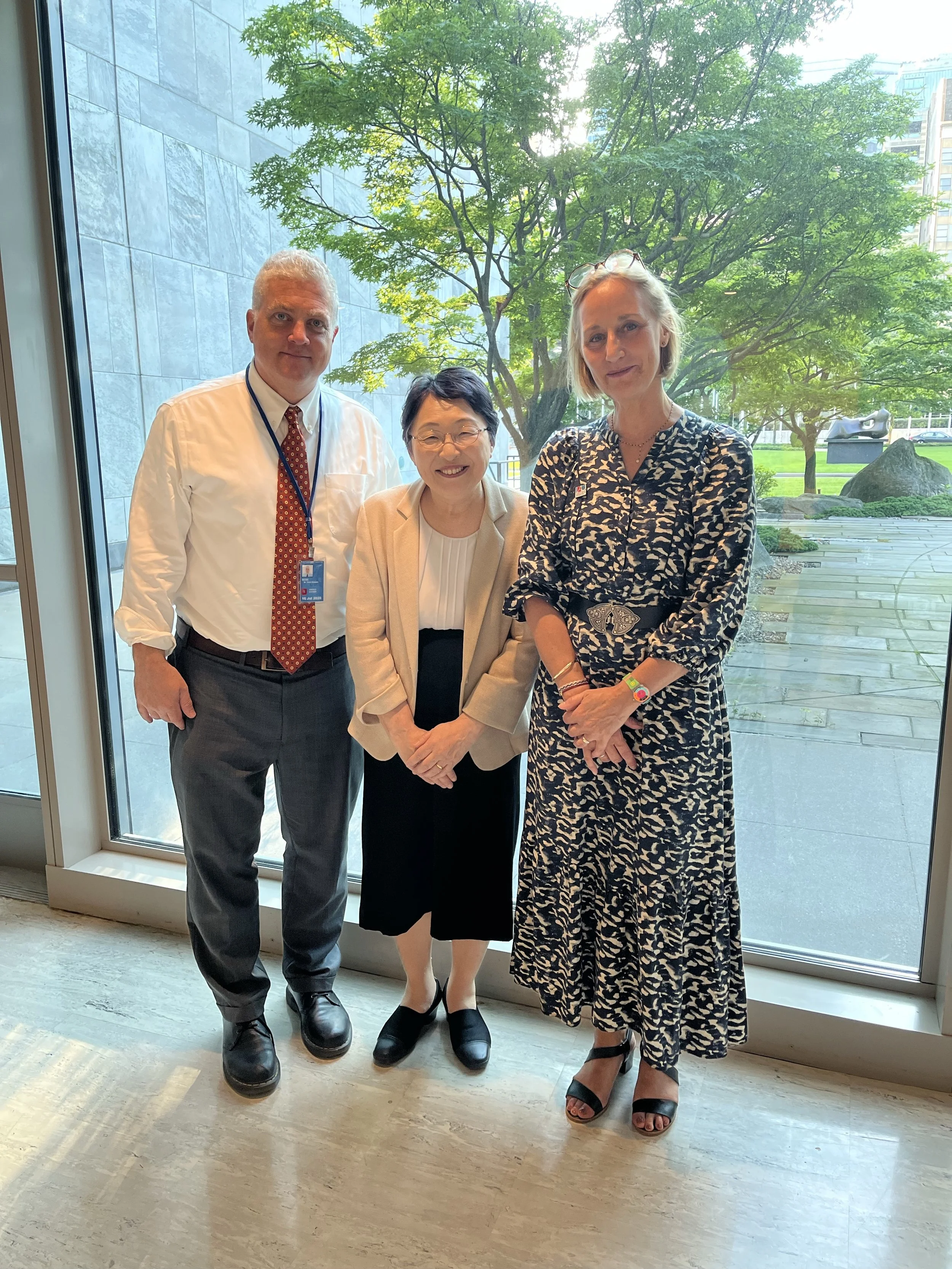
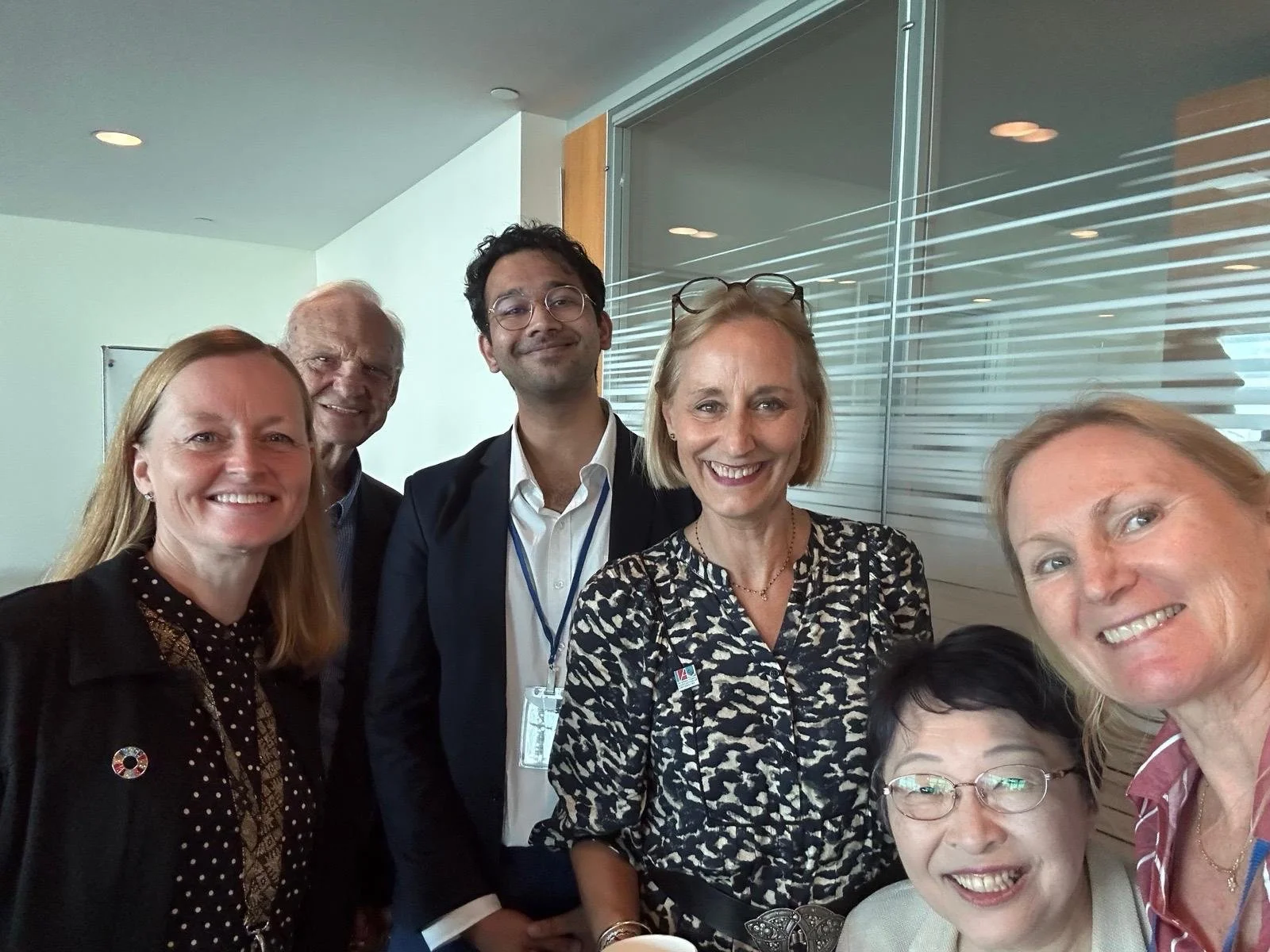
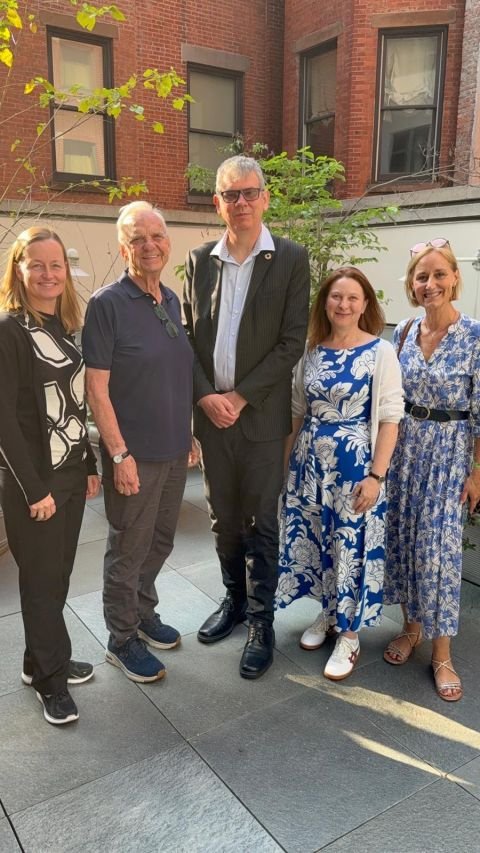

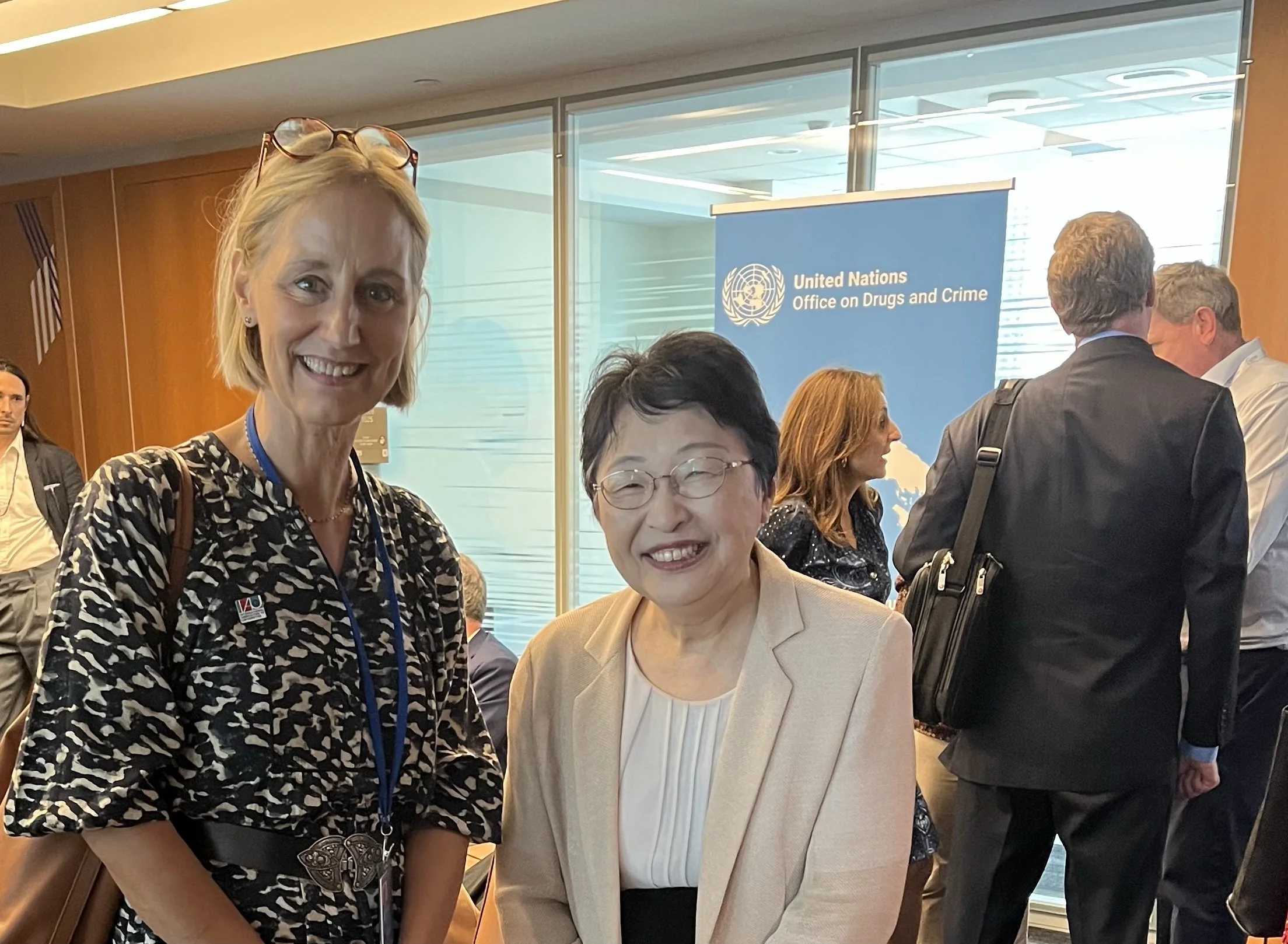
This year, the GHES convenedunder the theme “Transformative, equitable, innovative and coordinated actions for the 2030 Agenda for Sustainable Development and its Sustainable Development Goals (SDGs) for a Sustainable Future for All” together with the partners: International Association of Universities (IAU), Sustainable Development Solutions Network (SDSN), International Science Council (ISC), German Center for Research and Innovation New York (DWIH), York University (Canada), UNESCO, UNITAR, and the Higher Education Sustainability Initiative (HESI). IAU Secretary General Hilligje van’t Land represented the IAU at this event in New York City, USA.
GHES II was marked by the launch of the Consensus Statement on the Global Higher Education Symposium “Building Sustainable Futures a Consensus Statement on the Unique Position of Higher Education in the Pursuit of Solutions”. The Statement was drafted as a result of GHES I (2025), and the finalized document is the result of a yearlong co-construction and consultation process.
The Symposium convened around 80 representatives from universities, youth organizations, civil society, UN bodies, education partnerships, and industry, creating a global forum for cross-sector dialogue and collaboration. In addition to the Consensus Statement, the Symposium aimed to promote constructive discussions on the role of HE in global agendas, spark debate on the challenges and opportunities for higher education institutions and enable the role of higher education and partnerships to address the global goals.
Voices in the symposium emphasized that higher education institutions are expected to lead societies in learning, adaptation, innovation, and action for the common good, realizing their potential as powerful engines of societal transformation. Against the backdrop of current geopolitical challenges and declining trust in institutions, participants highlighted the urgent need to rebuild public trust and underscored the critical role of the higher education sector in this effort.
The GHES Consensus Statement was presented by a panel that underlined that which the GHES Consensus Statement defends: knowledge, universities and trust in the sector, Open Access, AI in academia, values--in particular equity, inclusion, and academic freedom--and the freedom to collaborate around the world. They also called on universities to embed the SDGs better, pay more attention to stakeholder well-being, ensure a more balanced epistemic pluralism, and ensure the delivery of societally relevant education.
The Symposium’s next two panels focused on “Higher Education in a Changing Global Landscape: One Year Later” and “Transformation Pathways for Higher Education’’. In the concluding session, partners identified ways to translate the statement into action.
Learn more:
Read the Consensus Statement here.
Read a recent University World News article with an interview of Dr. van’t Land about the GHES here.
Read about the GHES 2025 here.
Science Day 2026: The Science-Policy Imperative in the Final Stretch to 2030 and Beyond - 9 July 2026
Online & Conference Room 3, UNHQ, New York. Hosts: The SDSN, ISC, SEI, UNDP, and UN DESA
Building on the 2023–2025 editions, Science Day 2026 convened members of the scientific community, policymakers, and other stakeholders at a critical moment for multilateral cooperation. As the 2030 Agenda enters its final phase of implementation, the event examined how scientific knowledge is being integrated into multilateral decision-making processes. Discussions explored where science-policy collaboration is helping accelerate SDG implementation, where gaps remain, and what is needed to strengthen the credibility and effectiveness of science-informed policymaking under current global conditions.
Learn more here. Follow online here.
ISC/UNEP CODES event - 16 July 2026