Advancing Education and Science for Sustainable Development
Paris, France – July 2026
The IAU actively participated in two pivotal UNESCO events this July: the Transforming Education Summit +4 (TES+4) and the 2026 Global Conference on the International Decade of Sciences for Sustainable Development (IDSSD 2024–2033). These events highlighted the urgent need for collective action, resilient systems, and inclusive partnerships to achieve the Sustainable Development Goals (SDGs) and shape a post-2030 agenda rooted in equity and collaboration.
IAU at the Transforming Education Summit +4: Accelerating SDG 4 Amid Global Challenges
10 July 2026, UNESCO Headquarters, Paris, France
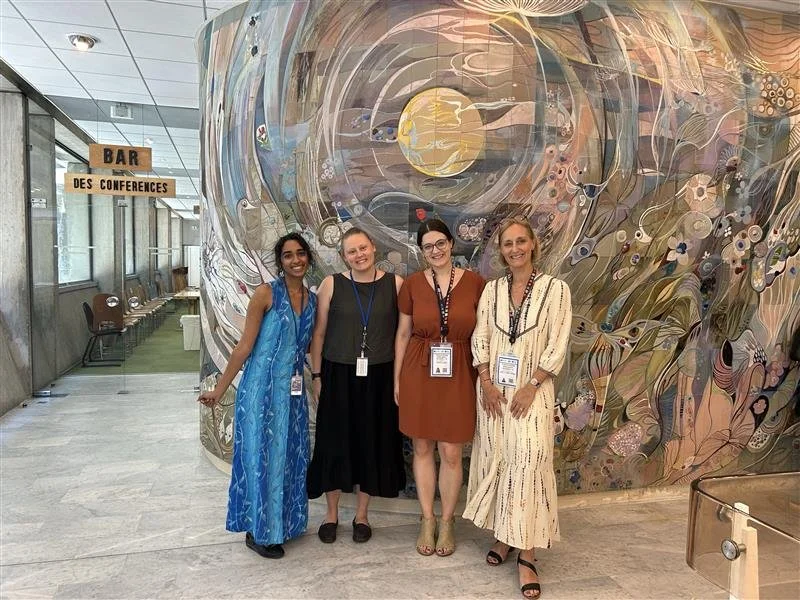
On 10 July 2026, IAU Secretary-General Hilligje van’t Land, Senior Programme Officer for Higher Education and Sustainable Development (HESD) Isabel Toman, and HESD Interns Shrika Madivanan and Therese Edrud joined global leaders at UNESCO Headquarters for TES+4. Convened by the UN Secretary-General and UNESCO Director-General, the summit marked the midpoint between the 2022 Transforming Education Summit and the 2030 deadline for SDG 4 (Quality Education).
While advancements have been made since 2022, speakers stressed that current efforts are insufficient to meet SDG 4 targets. Geopolitical conflicts, climate change, and fiscal constraints continue to disrupt education systems worldwide. The summit highlighted the need for strengthened global partnerships and sustained collaboration to build resilient, inclusive, and future-ready education systems. The IAU’s presence onsite reinforced its role in fostering international cooperation in higher education, a cornerstone of its 75-year mission.
The TES+4 served as a strategic bridge to upcoming milestones, including the 2027 Global Education Meeting and the SDG 4 review at the High-Level Political Forum (HLPF). The IAU remains committed to aligning priorities with UNESCO and mobilizing action for the final push toward 2030 and beyond.
IAU at the 2026 IDSSD Global Conference: Championing Scientific Freedom and Collaboration
15-17 July 2026, UNESCO Headquarters, Paris, France
The IAU participated in the first Global Conference of the International Decade of Sciences for Sustainable Development (IDSSD), a hybrid event at UNESCO Headquarters. The conference brought together government leaders, academia, industry, and Indigenous knowledge communities to assess progress, share solutions, and forge partnerships for a sustainable and equitable post-2030 future.
The conference opened with a call to action on 15 July, positioning science as a powerful driver of sustainable development through collaboration, open science, and the valuing of diverse knowledge systems. Speakers, including Guatemala’s Vice President Dr. Karin Herrera and CERN Director-General Dr. Mark Thomson, underscored the need to strengthen partnerships between academia, policymakers, international organizations, and local communities to advance science-based solutions. Dr. Herrera remarked that "investing in science is investing in people," while Dr. Thomson stressed that "open science is the heart [of scientific progress.]" These messages aligned closely with IAU’s longstanding advocacy for values-based higher education and its role in connecting institutions globally. Throughout the discussions and ministerial dialogue, a common theme emerged: partnerships and collaboration are essential to advancing both science and sustainable development, and the IDSSD provides a vital platform to bring diverse stakeholders together.
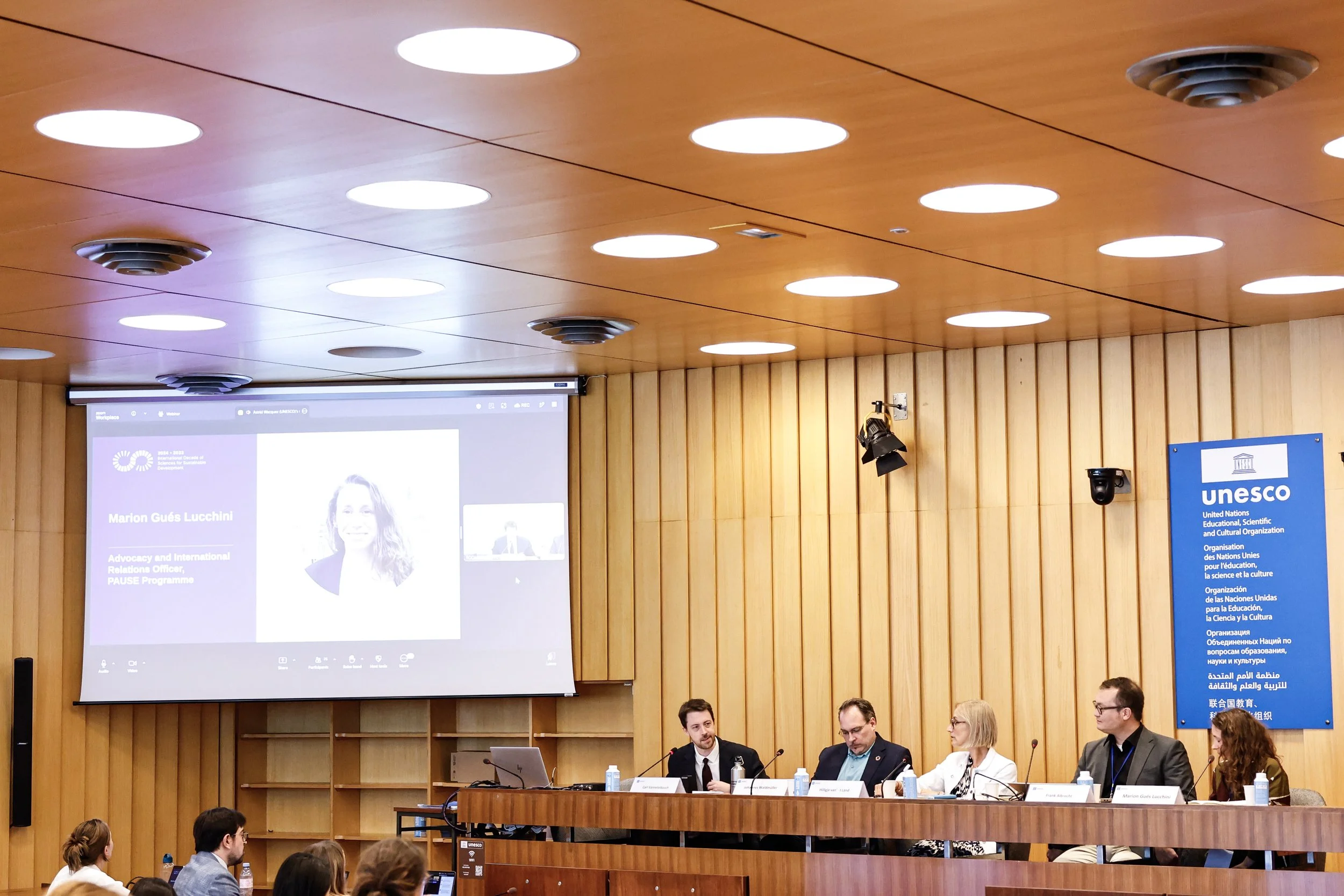
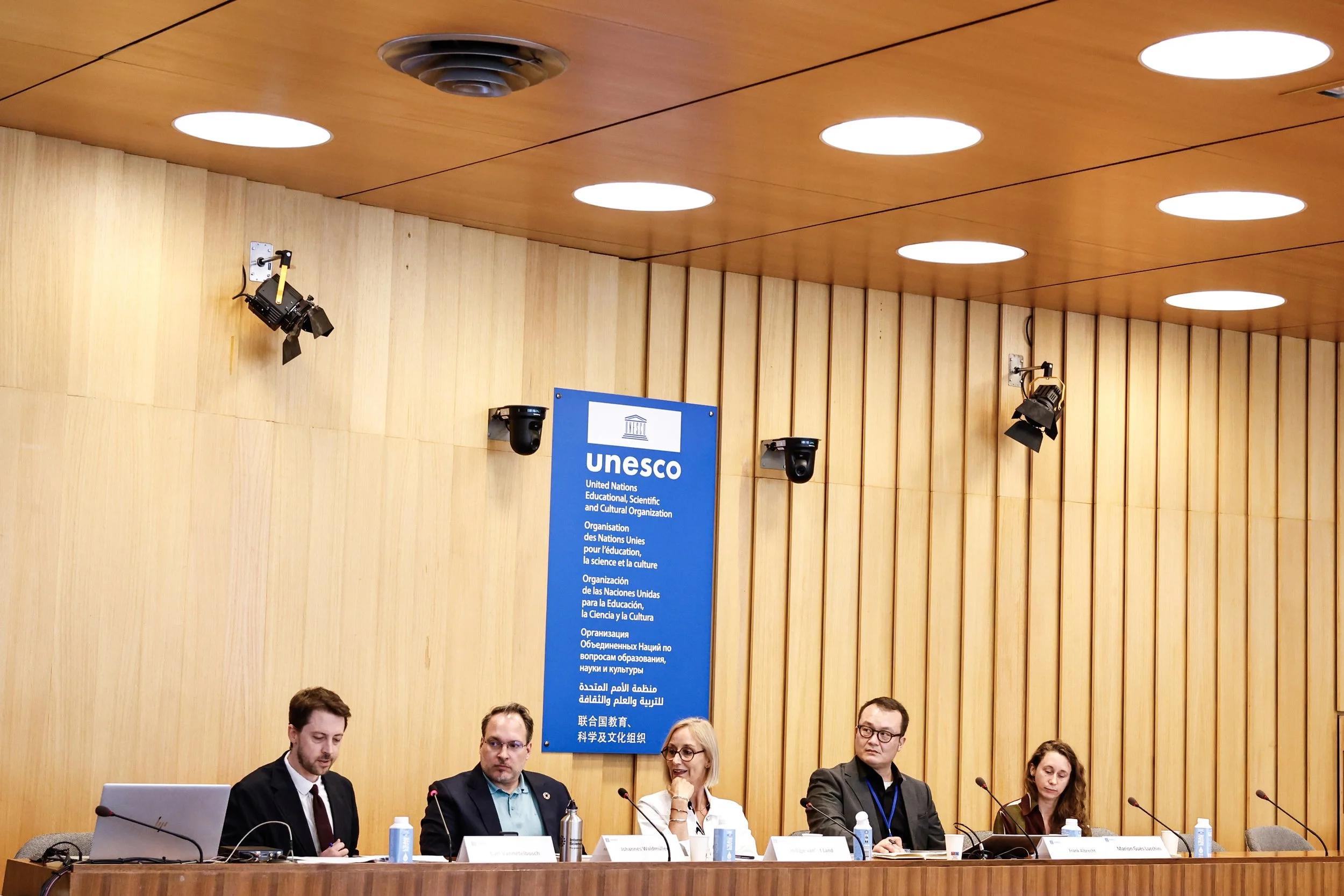
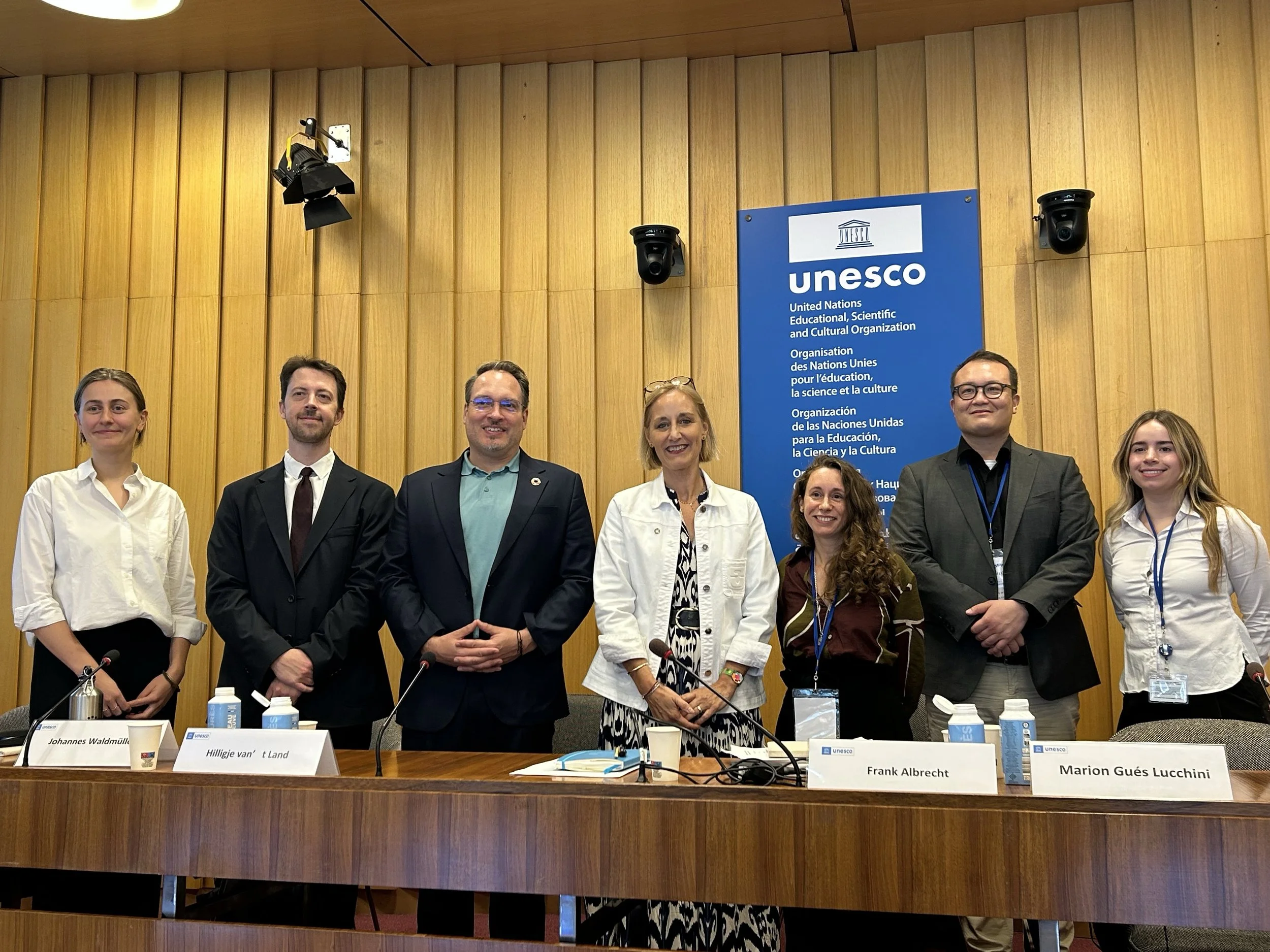
On 17 July, IAU Secretary-General Hilligje van’t Land contributed to a thematic session titled "Advancing Scientific Freedom and the Safety of Scientists: Enabling Responsible and Inclusive Science Systems." Moderated by Carl Vannetelbosch (Programme Specialist, SC/ERT/RGD, UNESCO), the roundtable discussion featured Johannes Waldmüller (Senior Science Officer, International Science Council), Frank Albrecht (Head of Division, Philipp Schwartz Initiative and Academic Freedom, Alexander von Humboldt Foundation), and Marion Gués Luchini (Advocacy, Press and International Relations Manager, PAUSE Program). During the session, speakers emphasized that international collaboration, academic integrity, and institutional autonomy are essential to addressing today’s global challenges. Van’t Land noted that:
“Universities only fulfil their mission when they have both freedom and safety.”
She moreover shared the reminder that "we should not see academics as threatening; they are enabling a better future for us all." The discussion also highlighted the broader cost of restricting research, with Frank Albrecht stating that "the knowledge that is not created is a huge loss." Safeguarding academic freedom was framed as both a protection for researchers as well as protection for society’s ability to generate the knowledge needed for a more sustainable, peaceful, and resilient future.
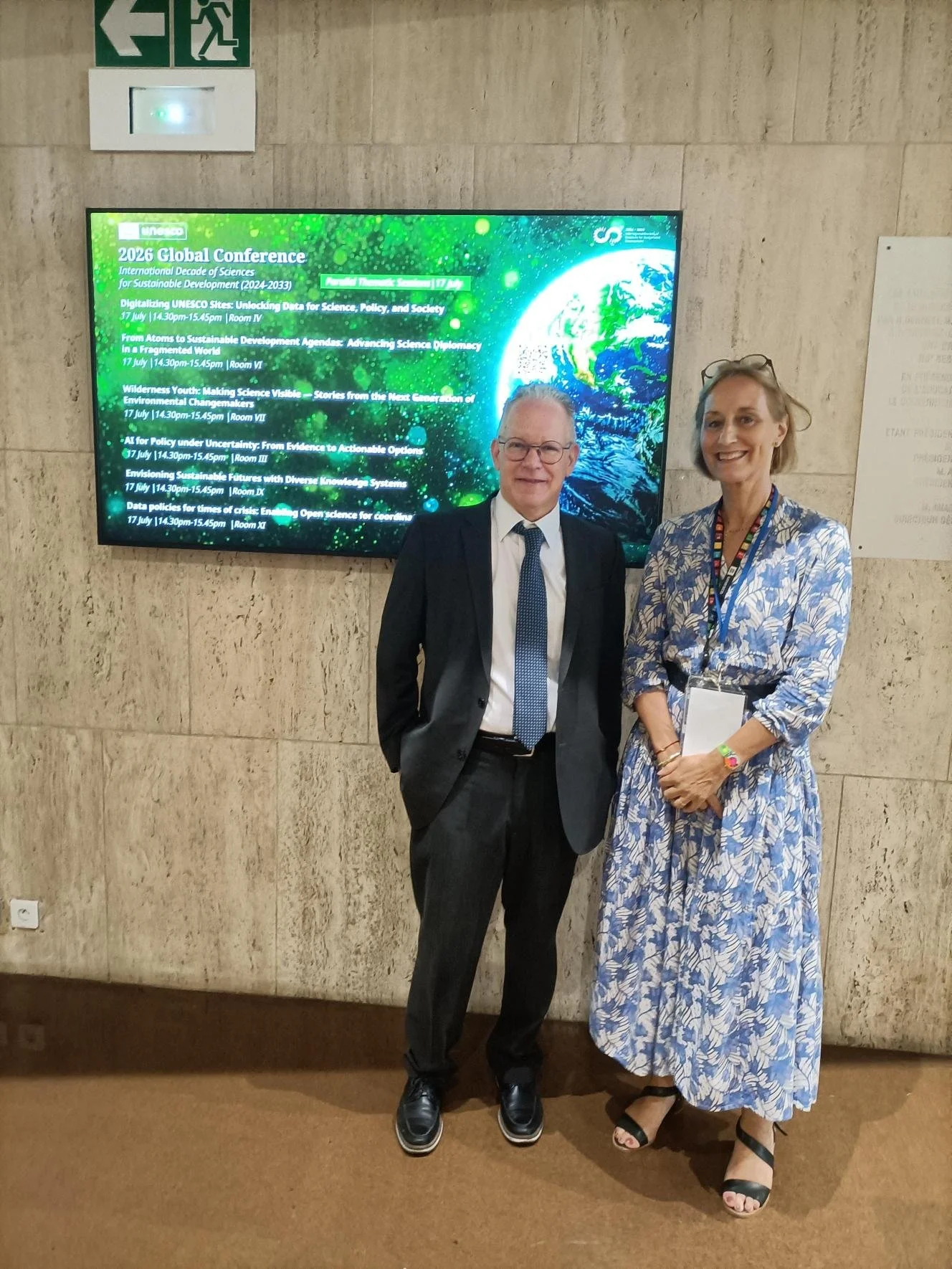
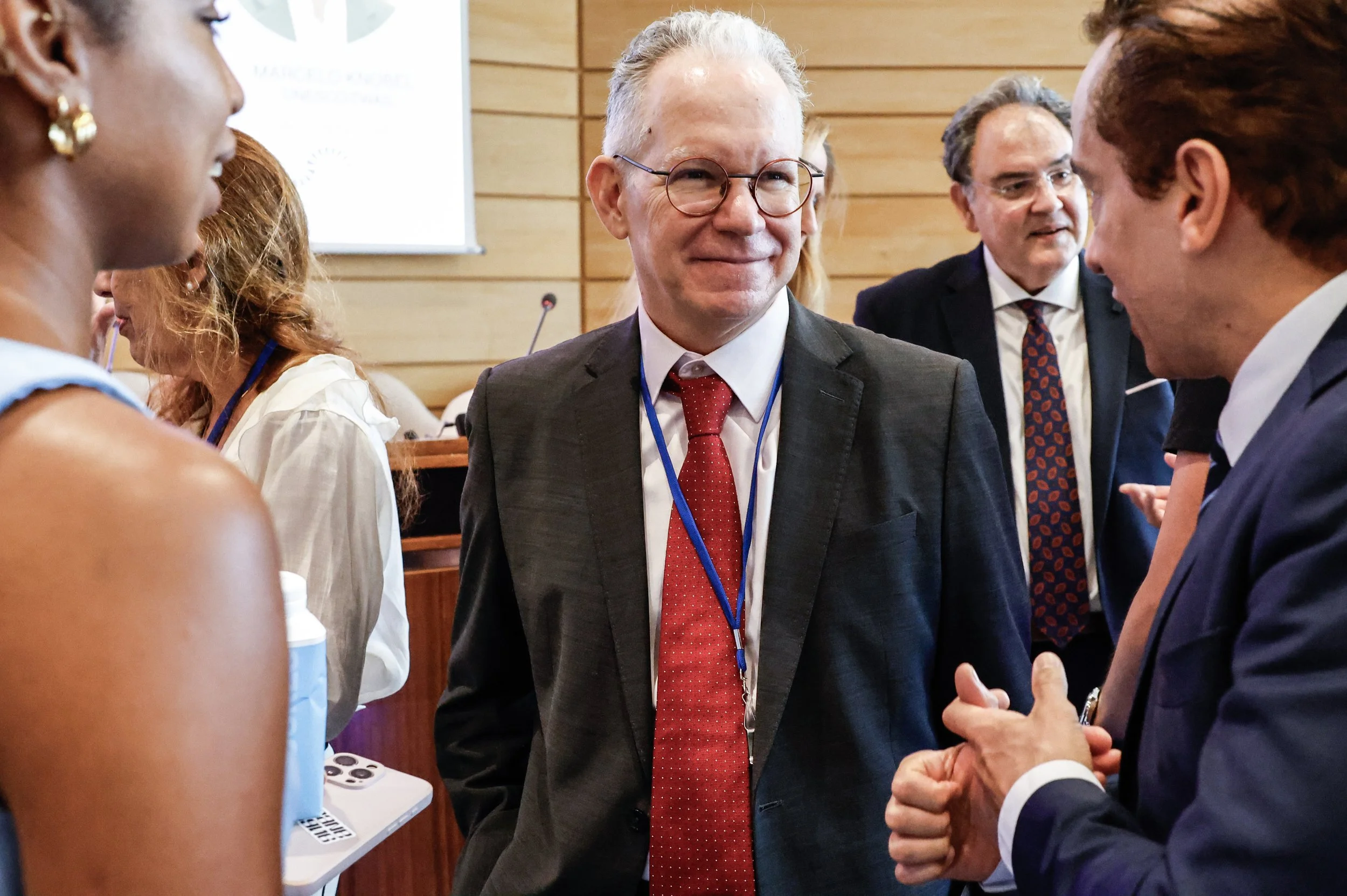
Beyond the thematic session, the IAU Secretary-General met with Marcelo Knobel, IAU Senior Fellow and Executive Director of TWAS – The World Academy of Sciences, who also moderated a programme session titled "Translating Evidence into Priorities: Bridges Evidence to Action." This session focused on identifying priority areas where efforts under the Decade can be both feasible and impactful. Building on the findings of the IDSSD Global Report, it aimed to strengthen capacities, enhance inclusion, improve how scientific knowledge is generated, shared, and used in decision-making, and support implementation across regions.
The IDSSD conference reinforced the need to protect academic freedom and institutional autonomy as prerequisites for innovation, while also balancing competition and cooperation in higher education to address global challenges like climate change and social inequalities. It highlighted the importance of integrating diverse knowledge systems, including Indigenous and local knowledge, into scientific progress and strengthening science–policy–society interfaces to ensure that evidence informs public decision-making.
Bridging Education and Science for a Sustainable Future
Both events highlighted the IAU’s unique role in advocating for academic freedom and safety as inseparable pillars of higher education. The IAU fosters international collaboration to tackle global challenges through open science, international mobility, and interdisciplinary approaches, while promoting trust in science by connecting institutions, maintaining reliable data in the World Higher Education Database (WHED), and engaging transparently with policymakers and the public. The IAU also supports theTES+4’s and IDSSD’s goals by encouraging transdisciplinary research, inclusive knowledge systems, and strong science–policy linkages.
As the world approaches the 2030 SDG deadline and looks beyond, the IAU remains a steadfast partner in shaping resilient, inclusive, and future-ready education and science systems. Through its global network, values-based leadership, and commitment to academic diplomacy, the IAU continues to champion the transformative power of higher education and science for a sustainable, peaceful, and equitable future.